Free with trial The illustration of the zigzag leaf (Pedilanthus tithymaloides) highlights its unique characteristics, especially its lanceolate shape and alternate arrangement along the succulent stem. This leaf has a slightly waxy texture, which helps retain moisture—a typical adaptation of succulent plants. Its coloration ranges from deep green to reddish or purplish tones, depending on sun exposure and environmental conditions. The leaf structure is relatively small, with smooth or slightly wavy edges, giving the plant an ornamental appearance. The central vein is well-defined, providing structural support and efficiency in sap transport. In the illustration, details of the secondary venation and textured surface are emphasized to showcase its adaptations to dry environments. The name zigzag refers to the plant's distinctive stem growth pattern, which follows an angular, "zigzag" arrangement. This characteristic is reflected in the leaf arrangement, where leaves emerge in alternating directions, creating a dynamic and attractive visual effect. The Pedilanthus tithymaloides leaf plays a crucial role in the plant's balance, contributing to photosynthesis and helping regulate water loss in arid climates. The illustration of this leaf is frequently used in botany for plant adaptation studies, as well as in artistic representations of ornamental succulents. Its unique shape and coloration make it a popular choice for detailed botanical illustrations. Secondary role vectors Botanical art of a zigzag plant leaf, with fine contours and shading that reproduces its characteristic shape. The illustration of the zigzag leaf (Pedilanthus. The illustration of the zigzag leaf (Pedilanthus tithymaloides) highlights its unique characteristics, especially its lanceolate shape and alternate arrangement along the succulent stem. This leaf has a slightly waxy texture, which helps retain moisture—a typical adaptation of succulent plants. Its coloration ranges from deep green to reddish or purplish tones, depending on sun exposure and environmental conditions.The leaf structure is relatively small, with smooth or slightly wavy edges, giving the plant an ornamental appearance. The central vein is well-defined, providing structural support and efficiency in sap transport. In the illustration, details of the secondary venation and textured surface are emphasized to showcase its adaptations to dry environments.The name zigzag refers to the plant's distinctive stem growth pattern, which follows an angular, "zigzag" arrangement. This characteristic is reflected in the leaf arrangement, where leaves emerge in alternating directions, creating a dynamic and attractive visual effect. The Pedilanthus tithymaloides leaf plays a crucial role in the plant's balance, contributing to photosynthesis and helping regulate water loss in arid climates.The illustration of this leaf is frequently used in botany for plant adaptation studies, as well as in artistic representations of ornamental succulents. Its unique shape and coloration make it a popular choice for detailed botanical illustrations.
Free with trial The illustration of the zigzag leaf (Pedilanthus tithymaloides) highlights its unique characteristics, especially its lanceolate shape and alternate arrangement along the succulent stem. This leaf has a slightly waxy texture, which helps retain moisture—a typical adaptation of succulent plants. Its coloration ranges from deep green to reddish or purplish tones, depending on sun exposure and environmental conditions. The leaf structure is relatively small, with smooth or slightly wavy edges, giving the plant an ornamental appearance. The central vein is well-defined, providing structural support and efficiency in sap transport. In the illustration, details of the secondary venation and textured surface are emphasized to showcase its adaptations to dry environments. The name zigzag refers to the plant's distinctive stem growth pattern, which follows an angular, "zigzag" arrangement. This characteristic is reflected in the leaf arrangement, where leaves emerge in alternating directions, creating a dynamic and attractive visual effect. The Pedilanthus tithymaloides leaf plays a crucial role in the plant's balance, contributing to photosynthesis and helping regulate water loss in arid climates. The illustration of this leaf is frequently used in botany for plant adaptation studies, as well as in artistic representations of ornamental succulents. Its unique shape and coloration make it a popular choice for detailed botanical illustrations. Secondary role vectors Graphic representation of a zigzag plant leaf, with fine lines and realistic tones that enhance its botanical structure. The illustration of the zigzag leaf (. The illustration of the zigzag leaf (Pedilanthus tithymaloides) highlights its unique characteristics, especially its lanceolate shape and alternate arrangement along the succulent stem. This leaf has a slightly waxy texture, which helps retain moisture—a typical adaptation of succulent plants. Its coloration ranges from deep green to reddish or purplish tones, depending on sun exposure and environmental conditions.The leaf structure is relatively small, with smooth or slightly wavy edges, giving the plant an ornamental appearance. The central vein is well-defined, providing structural support and efficiency in sap transport. In the illustration, details of the secondary venation and textured surface are emphasized to showcase its adaptations to dry environments.The name zigzag refers to the plant's distinctive stem growth pattern, which follows an angular, "zigzag" arrangement. This characteristic is reflected in the leaf arrangement, where leaves emerge in alternating directions, creating a dynamic and attractive visual effect. The Pedilanthus tithymaloides leaf plays a crucial role in the plant's balance, contributing to photosynthesis and helping regulate water loss in arid climates.The illustration of this leaf is frequently used in botany for plant adaptation studies, as well as in artistic representations of ornamental succulents. Its unique shape and coloration make it a popular choice for detailed botanical illustrations.
Free with trial The illustration of the zigzag leaf (Pedilanthus tithymaloides) highlights its unique characteristics, especially its lanceolate shape and alternate arrangement along the succulent stem. This leaf has a slightly waxy texture, which helps retain moisture—a typical adaptation of succulent plants. Its coloration ranges from deep green to reddish or purplish tones, depending on sun exposure and environmental conditions. The leaf structure is relatively small, with smooth or slightly wavy edges, giving the plant an ornamental appearance. The central vein is well-defined, providing structural support and efficiency in sap transport. In the illustration, details of the secondary venation and textured surface are emphasized to showcase its adaptations to dry environments. The name zigzag refers to the plant's distinctive stem growth pattern, which follows an angular, "zigzag" arrangement. This characteristic is reflected in the leaf arrangement, where leaves emerge in alternating directions, creating a dynamic and attractive visual effect. The Pedilanthus tithymaloides leaf plays a crucial role in the plant's balance, contributing to photosynthesis and helping regulate water loss in arid climates. The illustration of this leaf is frequently used in botany for plant adaptation studies, as well as in artistic representations of ornamental succulents. Its unique shape and coloration make it a popular choice for detailed botanical illustrations. Secondary role vectors Naturalistic illustration of a zigzag plant leaf, highlighting its color nuances and distinctive edge shape. The illustration of the zigzag leaf (Pedilanthus. The illustration of the zigzag leaf (Pedilanthus tithymaloides) highlights its unique characteristics, especially its lanceolate shape and alternate arrangement along the succulent stem. This leaf has a slightly waxy texture, which helps retain moisture—a typical adaptation of succulent plants. Its coloration ranges from deep green to reddish or purplish tones, depending on sun exposure and environmental conditions.The leaf structure is relatively small, with smooth or slightly wavy edges, giving the plant an ornamental appearance. The central vein is well-defined, providing structural support and efficiency in sap transport. In the illustration, details of the secondary venation and textured surface are emphasized to showcase its adaptations to dry environments.The name zigzag refers to the plant's distinctive stem growth pattern, which follows an angular, "zigzag" arrangement. This characteristic is reflected in the leaf arrangement, where leaves emerge in alternating directions, creating a dynamic and attractive visual effect. The Pedilanthus tithymaloides leaf plays a crucial role in the plant's balance, contributing to photosynthesis and helping regulate water loss in arid climates.The illustration of this leaf is frequently used in botany for plant adaptation studies, as well as in artistic representations of ornamental succulents. Its unique shape and coloration make it a popular choice for detailed botanical illustrations.
Free with trial The illustration of the zigzag leaf (Pedilanthus tithymaloides) highlights its unique characteristics, especially its lanceolate shape and alternate arrangement along the succulent stem. This leaf has a slightly waxy texture, which helps retain moisture—a typical adaptation of succulent plants. Its coloration ranges from deep green to reddish or purplish tones, depending on sun exposure and environmental conditions. The leaf structure is relatively small, with smooth or slightly wavy edges, giving the plant an ornamental appearance. The central vein is well-defined, providing structural support and efficiency in sap transport. In the illustration, details of the secondary venation and textured surface are emphasized to showcase its adaptations to dry environments. The name zigzag refers to the plant's distinctive stem growth pattern, which follows an angular, "zigzag" arrangement. This characteristic is reflected in the leaf arrangement, where leaves emerge in alternating directions, creating a dynamic and attractive visual effect. The Pedilanthus tithymaloides leaf plays a crucial role in the plant's balance, contributing to photosynthesis and helping regulate water loss in arid climates. The illustration of this leaf is frequently used in botany for plant adaptation studies, as well as in artistic representations of ornamental succulents. Its unique shape and coloration make it a popular choice for detailed botanical illustrations. Secondary role vectors Minimalist sketch of a zigzag plant leaf, with subtle lines that represent its sinuous shape in a simplified way. The illustration of the zigzag leaf (. The illustration of the zigzag leaf (Pedilanthus tithymaloides) highlights its unique characteristics, especially its lanceolate shape and alternate arrangement along the succulent stem. This leaf has a slightly waxy texture, which helps retain moisture—a typical adaptation of succulent plants. Its coloration ranges from deep green to reddish or purplish tones, depending on sun exposure and environmental conditions.The leaf structure is relatively small, with smooth or slightly wavy edges, giving the plant an ornamental appearance. The central vein is well-defined, providing structural support and efficiency in sap transport. In the illustration, details of the secondary venation and textured surface are emphasized to showcase its adaptations to dry environments.The name zigzag refers to the plant's distinctive stem growth pattern, which follows an angular, "zigzag" arrangement. This characteristic is reflected in the leaf arrangement, where leaves emerge in alternating directions, creating a dynamic and attractive visual effect. The Pedilanthus tithymaloides leaf plays a crucial role in the plant's balance, contributing to photosynthesis and helping regulate water loss in arid climates.The illustration of this leaf is frequently used in botany for plant adaptation studies, as well as in artistic representations of ornamental succulents. Its unique shape and coloration make it a popular choice for detailed botanical illustrations.
Free with trial The illustration of the zigzag leaf (Pedilanthus tithymaloides) highlights its unique characteristics, especially its lanceolate shape and alternate arrangement along the succulent stem. This leaf has a slightly waxy texture, which helps retain moisture—a typical adaptation of succulent plants. Its coloration ranges from deep green to reddish or purplish tones, depending on sun exposure and environmental conditions. The leaf structure is relatively small, with smooth or slightly wavy edges, giving the plant an ornamental appearance. The central vein is well-defined, providing structural support and efficiency in sap transport. In the illustration, details of the secondary venation and textured surface are emphasized to showcase its adaptations to dry environments. The name zigzag refers to the plant's distinctive stem growth pattern, which follows an angular, "zigzag" arrangement. This characteristic is reflected in the leaf arrangement, where leaves emerge in alternating directions, creating a dynamic and attractive visual effect. The Pedilanthus tithymaloides leaf plays a crucial role in the plant's balance, contributing to photosynthesis and helping regulate water loss in arid climates. The illustration of this leaf is frequently used in botany for plant adaptation studies, as well as in artistic representations of ornamental succulents. Its unique shape and coloration make it a popular choice for detailed botanical illustrations. Secondary role vectors Classic illustration of a Pedilanthus tithymaloides leaf, highlighting its organic shape and details of the leaf blade. The illustration of the zigzag leaf (. The illustration of the zigzag leaf (Pedilanthus tithymaloides) highlights its unique characteristics, especially its lanceolate shape and alternate arrangement along the succulent stem. This leaf has a slightly waxy texture, which helps retain moisture—a typical adaptation of succulent plants. Its coloration ranges from deep green to reddish or purplish tones, depending on sun exposure and environmental conditions.The leaf structure is relatively small, with smooth or slightly wavy edges, giving the plant an ornamental appearance. The central vein is well-defined, providing structural support and efficiency in sap transport. In the illustration, details of the secondary venation and textured surface are emphasized to showcase its adaptations to dry environments.The name zigzag refers to the plant's distinctive stem growth pattern, which follows an angular, "zigzag" arrangement. This characteristic is reflected in the leaf arrangement, where leaves emerge in alternating directions, creating a dynamic and attractive visual effect. The Pedilanthus tithymaloides leaf plays a crucial role in the plant's balance, contributing to photosynthesis and helping regulate water loss in arid climates.The illustration of this leaf is frequently used in botany for plant adaptation studies, as well as in artistic representations of ornamental succulents. Its unique shape and coloration make it a popular choice for detailed botanical illustrations.
Free with trial A female teacher with glasses depicts a woman educator wearing eyeglasses, representing professionalism, intelligence, and the role of teachers in guiding students through lessons and educational activities. Secondary role vectors Female Teacher with Glasses Illustration. A female teacher with glasses depicts a woman educator wearing eyeglasses, representing professionalism, intelligence. A female teacher with glasses depicts a woman educator wearing eyeglasses, representing professionalism, intelligence, and the role of teachers in guiding students through lessons and educational activities.
Free with trial A female teacher holding a book illustrates a woman educator carrying reading material, symbolizing learning, literacy, classroom instruction, and the important role of teachers in sharing knowledge. Secondary role vectors Female Teacher Holding Book Illustration. A female teacher holding a book illustrates a woman educator carrying reading material, symbolizing learning, literacy. A female teacher holding a book illustrates a woman educator carrying reading material, symbolizing learning, literacy, classroom instruction, and the important role of teachers in sharing knowledge.
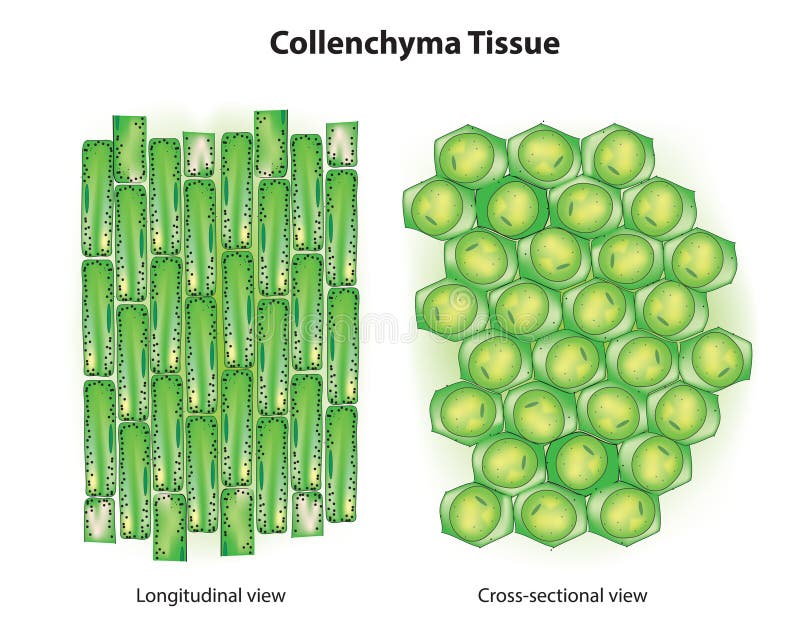
Free with trial Collenchyma tissue plays an essential role in plant growth and development by providing flexible support to young and actively growing plant parts. Its structure and function contribute to the overall mechanical integrity of plants, allowing them to withstand mechanical stresses and environmental factors. Secondary role vectors Collenchyma. Tissue plays an essential role in plant growth and development by providing flexible support to young and actively growing plant parts. Its. Collenchyma tissue plays an essential role in plant growth and development by providing flexible support to young and actively growing plant parts. Its structure and function contribute to the overall mechanical integrity of plants, allowing them to withstand mechanical stresses and environmental factors.
Free with trial Illustration of teacher and students learning together in a classroom setting using a whiteboard. Secondary role vectors Teacher and students learning together in a classroom setting using whiteboard. Illustration of teacher and students learning together in a classroom setting. Illustration of teacher and students learning together in a classroom setting using a whiteboard.
Free with trial A teacher holds a stick while engaging students in a classroom, promoting active learning and participation Teacher standing, holding a stick, flat illustration. Secondary role vectors A teacher holds a stick while engaging students in a classroom, promoting active learning and participation Teacher standing,. Holding a stick, flat
Free with trial A teacher uses a pointer to highlight information on the blackboard while addressing students, The teacher stands near the blackboard and holds a stick. Secondary role vectors A teacher uses a pointer to highlight information on the blackboard while addressing students, The teacher stands near the. Blackboard and holds a stick
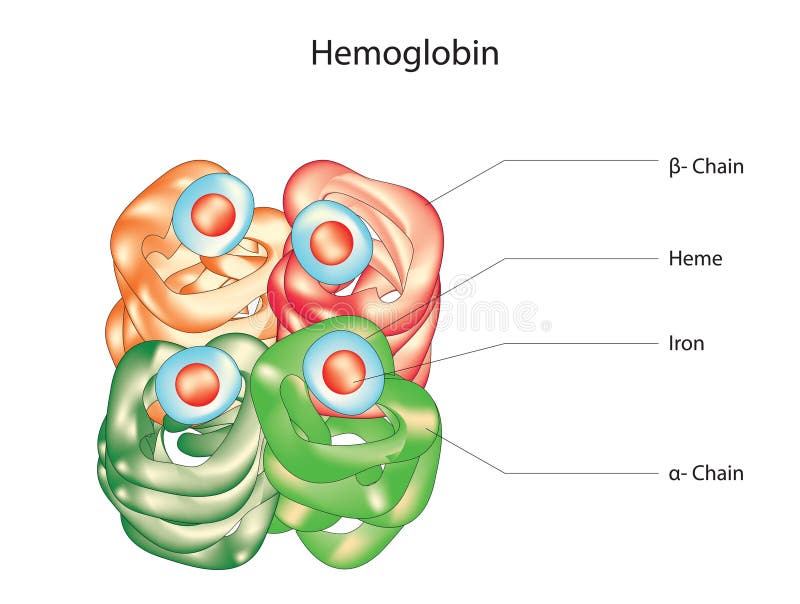
Free with trial Hemoglobin is a protein found in red blood cells (erythrocytes) that is responsible for transporting oxygen from the lungs to the tissues and organs of the body, and for carrying carbon dioxide from the tissues back to the lungs for exhalation. It is a crucial component of the circulatory system and plays a vital role in oxygen delivery and carbon dioxide removal. Secondary role vectors Hemoglobin molecular structure. Hemoglobin is a protein found in red blood cells (erythrocytes) that is responsible for transporting oxygen from the lungs to the. Hemoglobin is a protein found in red blood cells (erythrocytes) that is responsible for transporting oxygen from the lungs to the tissues and organs of the body, and for carrying carbon dioxide from the tissues back to the lungs for exhalation. It is a crucial component of the circulatory system and plays a vital role in oxygen delivery and carbon dioxide removal.
Free with trial Recycling clothes. Vector illustration. Recycling clothes is effective way to reduce waste Clothes play significant role in promoting ecological awareness Reuse and recycle old garments to contribute. Secondary role vectors Recycling clothes. Recycling clothes is effective way to reduce waste. Recycling clothes. Vector illustration. Recycling clothes is effective way to reduce waste. Recycling clothes. Vector illustration. Recycling clothes is effective way to reduce waste Clothes play significant role in promoting ecological awareness Reuse and recycle old garments to contribute
 Sign in