Free with trial Check mark stickers. Vector illustration of check mark stickers. Select vectors Check mark stickers. Vector illustration of check mark stickers
Free with trial Vector Tick Check Mark Icon Set. On white background. Select vectors Vector Tick Check Mark Icon Set. On white background
Free with trial Check mark or tick sign in box. Easily editable, colorable EPS 8 vector icon isolated on transparent background. Select vectors Check Mark or Tick in Box No. 2. Check mark or tick sign in box. Easily editable, colorable EPS 8 vector icon isolated on transparent background. Check mark or tick sign in box. Easily editable, colorable EPS 8 vector icon isolated on transparent background.
Free with trial A hand to reach find select a person from a row of people. Select vectors Hand find select person in line of people. A hand to reach find select a person from a row of people. A hand to reach find select a person from a row of people.
Free with trial Select cv resume on the desk employee recruitment process. Vector. Select vectors Select cv resume on the desk employee recruitment process. Vector
Free with trial Example of the user interface to select the level to play treasure hunt. Select vectors Example of the user interface to select the level to play treasure hunt.
Free with trial Highlight doodle. Select arrow marker icons. Selection and pointer drawing circle frames scribble underlines. Highlighter vector marks. Select vectors Highlight doodle. Select arrow marker icons. Selection and pointer drawing circle frames scribble underlines. Highlighter vector marks
Free with trial A female hand to find, select, choose, pick a business man to dangle above a line of business people. Select vectors Hand selects business man silhouette group. A female hand to find, select, choose, pick a business man to dangle above a line of business people. A female hand to find, select, choose, pick a business man to dangle above a line of business people.
Free with trial Choose business people select resources box. Check mark to find and choose the best company employee in selection box. Select vectors Choose business people select resources box. Check mark to find and choose the best company employee in selection box
Free with trial A female hand to find, select, choose, pick a businessman to dangle above a line of business people for employment, recognition, promotion, hire, etc. Select vectors Hand Picks Symbol Business Man from Businessmen. A female hand to find, select, choose, pick a businessman to dangle above a line of business people for. A female hand to find, select, choose, pick a businessman to dangle above a line of business people for employment, recognition, promotion, hire, etc.
Free with trial Grunge check mark. On a white background. Select vectors Grunge check mark. On a white background
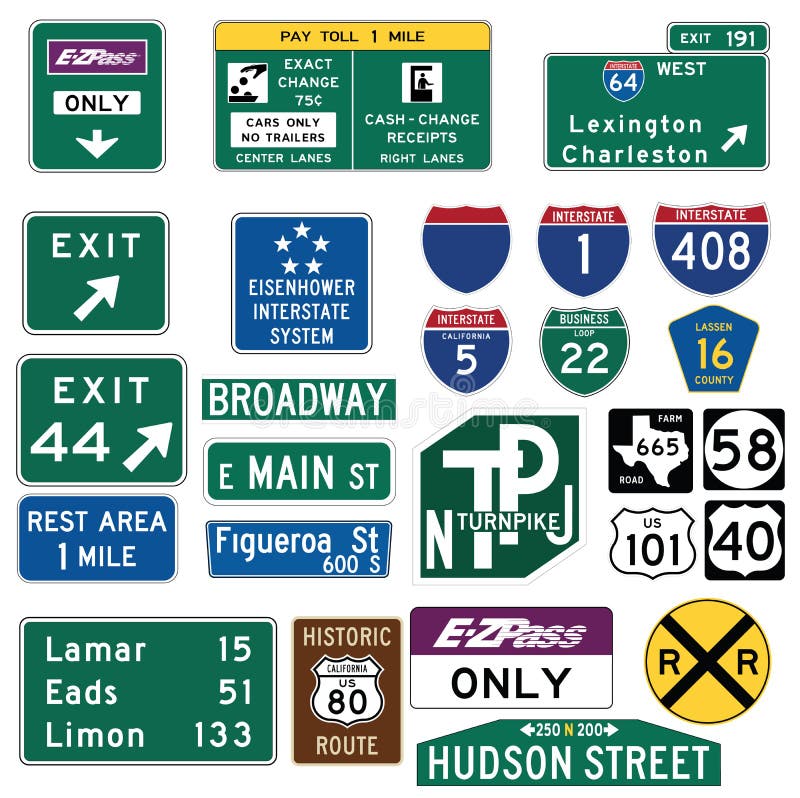
Free with trial Vector Illustration collection of the select Traffic Signs in the United States, isolated on white background. You can find other road signs in my portfolio. EPS file available. Guide signs are essential to direct road users along streets and highways, to inform them of intersecting routes, rnto direct them to cities, towns, villages, or other important destinations, to identify nearby rivers and streams, parks, forests, and historical sites, and generally to give such information as will help them along their way in the most simple, direct manner possible. rnrnIn the United States, road signs are, for the most part, standardized by federal regulations, most notably in the Manual on Uniform Traffic Control Devices (MUTCD) and its companion volume the Standard Highway Signs (SHS). There currently are no plans for adopting the Vienna Convention on Road Signs and Signals standards. Twenty-three states along with the District of Columbia and Puerto Rico use the manual without any alterations, 20 states have adopted it in conjunction with a supplemental volume, and seven states have a state version in substantial conformance to the MUTCD. There are also localized versions that are used in large cities such as New York City which use a naming system compatible with the MUTCD and/or state supplement. The MUTCD and SHS establish seven general categories of signs for road and highway use. rnrnIncluded illustrations are select examples of the MUTCD Guide Signs categories. rn. Select vectors Traffic Guide Signs in the United States. Vector Illustration collection of the select Traffic Signs in the United States, isolated on white background. You can. Vector Illustration collection of the select Traffic Signs in the United States, isolated on white background. You can find other road signs in my portfolio. EPS file available. Guide signs are essential to direct road users along streets and highways, to inform them of intersecting routes, rnto direct them to cities, towns, villages, or other important destinations, to identify nearby rivers and streams, parks, forests, and historical sites, and generally to give such information as will help them along their way in the most simple, direct manner possible.rnrnIn the United States, road signs are, for the most part, standardized by federal regulations, most notably in the Manual on Uniform Traffic Control Devices (MUTCD) and its companion volume the Standard Highway Signs (SHS). There currently are no plans for adopting the Vienna Convention on Road Signs and Signals standards. Twenty-three states along with the District of Columbia and Puerto Rico use the manual without any alterations, 20 states have adopted it in conjunction with a supplemental volume, and seven states have a state version in substantial conformance to the MUTCD. There are also localized versions that are used in large cities such as New York City which use a naming system compatible with the MUTCD and/or state supplement. The MUTCD and SHS establish seven general categories of signs for road and highway use.rnrnIncluded illustrations are select examples of the MUTCD Guide Signs categories.rn
Free with trial Girl pointing at herself. Young girl pointing at herself with her thumb. Select vectors Girl pointing at herself. Young girl pointing at herself with her thumb
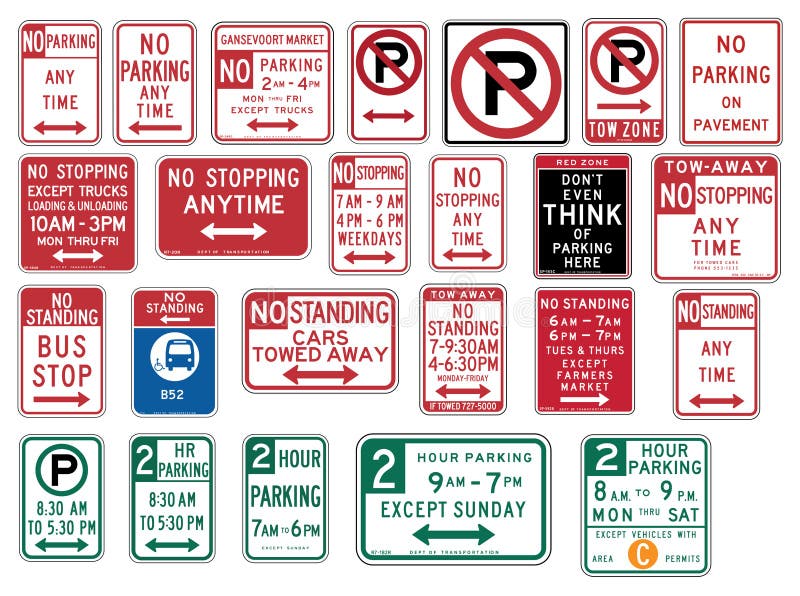
Free with trial Vector Illustration collection of the select Traffic Signs in the United States, isolated on white background. You can find other road signs in my portfolio. EPS file available. rnrnIn the United States, road signs are, for the most part, standardized by federal regulations, most notably in the Manual on Uniform Traffic Control Devices (MUTCD) and its companion volume the Standard Highway Signs (SHS). There currently are no plans for adopting the Vienna Convention on Road Signs and Signals standards. rnTwenty-three states along with the District of Columbia and Puerto Rico use the manual without any alterations, 20 states have adopted it in conjunction with a supplemental volume, and seven states have a state version in substantial conformance to the MUTCD. There are also localized versions that are used in large cities such as New York City which use a naming system compatible with the MUTCD and/or state supplement. The MUTCD and SHS establish seven general categories of signs for road and highway use. rnrnIncluded illustrations are select examples of the following MUTCD categories:rn-- R7 Series: Parkingrnrn. Select vectors Traffic Signs in the United States - No Parking. Vector Illustration collection of the select Traffic Signs in the United States, isolated on white background. Vector Illustration collection of the select Traffic Signs in the United States, isolated on white background. You can find other road signs in my portfolio. EPS file available.rnrnIn the United States, road signs are, for the most part, standardized by federal regulations, most notably in the Manual on Uniform Traffic Control Devices (MUTCD) and its companion volume the Standard Highway Signs (SHS). There currently are no plans for adopting the Vienna Convention on Road Signs and Signals standards.rnTwenty-three states along with the District of Columbia and Puerto Rico use the manual without any alterations, 20 states have adopted it in conjunction with a supplemental volume, and seven states have a state version in substantial conformance to the MUTCD. There are also localized versions that are used in large cities such as New York City which use a naming system compatible with the MUTCD and/or state supplement. The MUTCD and SHS establish seven general categories of signs for road and highway use.rnrnIncluded illustrations are select examples of the following MUTCD categories:rn-- R7 Series: Parkingrnrn
Free with trial Checkmark and an X in a box, alone and in black and white. Select vectors Checkmark and X. Checkmark and an X in a box, alone and in black and white. Checkmark and an X in a box, alone and in black and white.
Free with trial Green tick checkmark vector icon. For checkbox marker symbol. Select vectors Green tick checkmark vector icon. For checkbox marker symbol
Free with trial Black check mark icon. Check mark symbol. Check mark symbol on white background drawing by illustration. Select vectors Black check mark icon. Check mark symbol.Check mark symbol on white background drawing by illustration.Black check mark icon
Free with trial Vector collection of 4 editable web site header templates with logo, navigation and slogan. All lettering (menu, slogan) are easy editable in EPS version. Select vectors Website header template. Vector collection of 4 editable web site header templates with logo, navigation and slogan. All lettering (menu, slogan) are easy. Vector collection of 4 editable web site header templates with logo, navigation and slogan. All lettering (menu, slogan) are easy editable in EPS version.
Free with trial Two cartoon character smiling: a green yes check mark and a red no. Eps file available. Select vectors Yes No Cartoon Character. Two cartoon character smiling: a green yes check mark and a red no. Eps file available. Two cartoon character smiling: a green yes check mark and a red no. Eps file available.
Free with trial Favorite movie video icon. Vector icon or logo for favorite video. Select vectors Favorite movie video icon. Vector icon or logo for favorite video
Free with trial Cursors. Set of pixelated cursord and hand pointers. Select vectors Cursors. Set of pixelated cursord and hand pointers
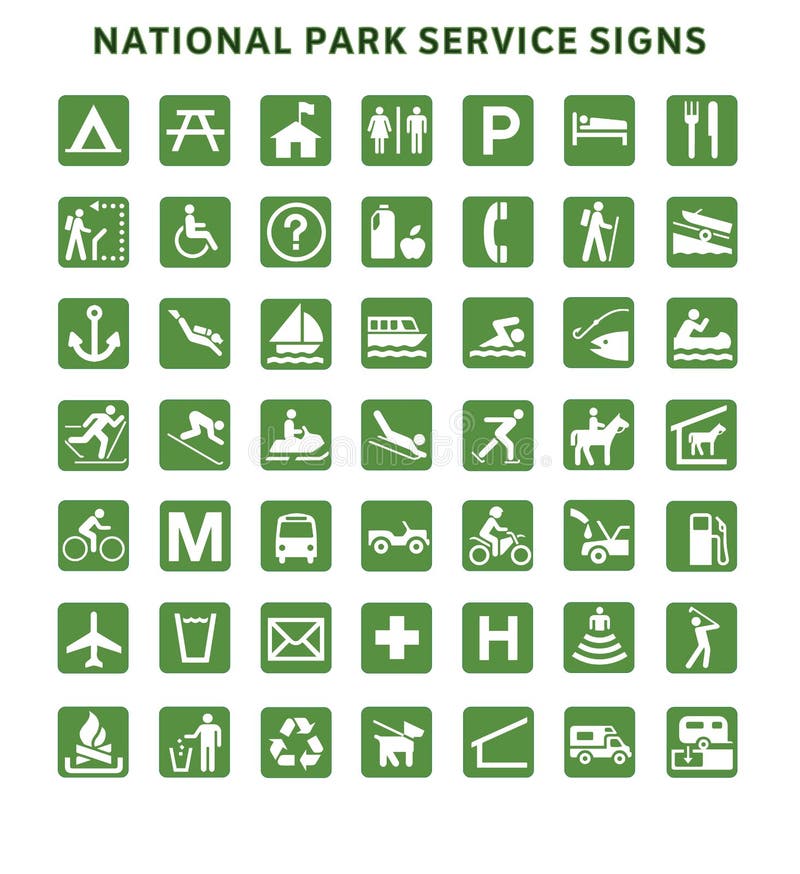
Free with trial Vector Illustration collection of the select National Park Service Signs in the United States, isolated on white background. You can find other signs in my portfolio. EPS file available. Select vectors National Park Service Signs. Vector Illustration collection of the select National Park Service Signs in the United States, isolated on white background. You can. Vector Illustration collection of the select National Park Service Signs in the United States, isolated on white background. You can find other signs in my portfolio. EPS file available.
Free with trial Farm animals vector silhouette. Vectored illustration of common farm animals as cow, pig and rooster. Select vectors Farm animals vector silhouette. Vectored illustration of common farm animals as cow, pig and rooster
Free with trial Forefinger. Right hand with forefinger pointing on viewer. Vector illustration. Select vectors Forefinger. Right hand with forefinger pointing on viewer. Vector illustration
Free with trial Check symbol. 3d check symbol vector logo icon illustration. Select vectors Check symbol. 3d check symbol vector logo icon illustration
Free with trial Check mark, tick and cross. Vector illustration. Select vectors Check mark, tick and cross. Vector illustration
Free with trial Vector check mark stickers. Check mark stickers - illustration. Select vectors Vector check mark stickers. Check mark stickers - illustration
Free with trial Green tick marker checkmark vector circle icon. Green tick or marker checkmark vector icon for checkbox symbol in circle. Select vectors Green tick marker checkmark vector circle icon. Green tick or marker checkmark vector icon for checkbox symbol in circle
Free with trial City map. Seamless background. In vector file: all elements easy for select and change on separated layers; all colors easy for change (swatches). Select vectors City seamless vector wallpaper. City map. Seamless background. In vector file: all elements easy for select and change on separated layers; all colors easy for. City map. Seamless background. In vector file: all elements easy for select and change on separated layers; all colors easy for change (swatches)
Free with trial Wine box template. A very useful template: wine box - ready to be cut and fold. Additional file works is great for editing. Great stuff. Select vectors Wine box template. A very useful template: wine box - ready to be cut and fold. Additional file works is great for editing. Great stuff
Free with trial Pencil checking blank checkbox. Illustration of a pencil filling empty tick-boxes. Select vectors Pencil checking blank checkbox. Illustration of a pencil filling empty tick-boxes
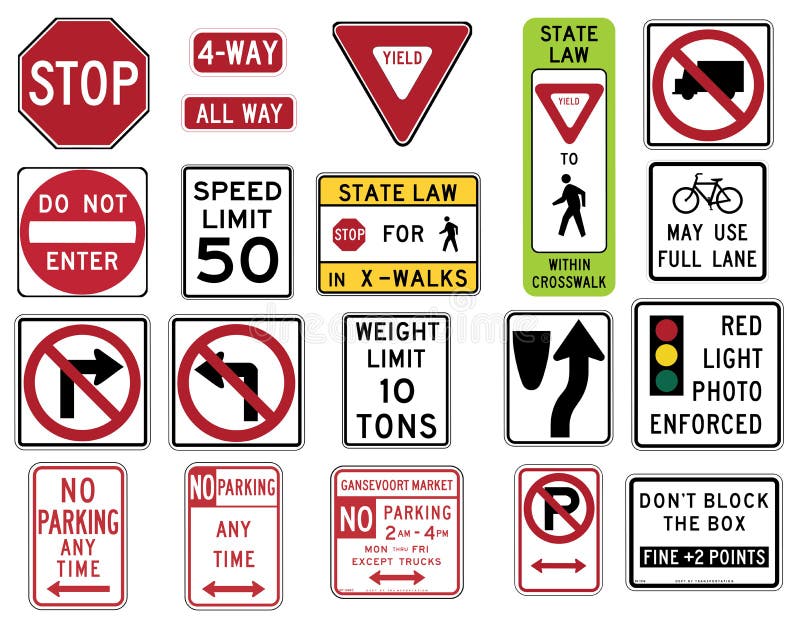
Free with trial Vector Illustration collection of the select Traffic Signs in the United States, isolated on white background. You can find other road signs in my portfolio. EPS file available. In the United States, road signs are, for the most part, standardized by federal regulations, most notably in the Manual on Uniform Traffic Control Devices (MUTCD) and its companion volume the Standard Highway Signs (SHS). There currently are no plans for adopting the Vienna Convention on Road Signs and Signals standards. Twenty-three states along with the District of Columbia and Puerto Rico use the manual without any alterations, 20 states have adopted it in conjunction with a supplemental volume, and seven states have a state version in substantial conformance to the MUTCD. There are also localized versions that are used in large cities such as New York City which use a naming system compatible with the MUTCD and/or state supplement. The MUTCD and SHS establish seven general categories of signs for road and highway use. Included illustrations are select examples of the following MUTCD categories: -- R1 Series STOP and YIELD -- R2 Series Speed Limit -- R3 Series Lane Usage and Turns (Left and Right Turn) -- R4 Regulation of Movement -- R5 Series: Exclusionary -- R7 Series: Parking. Select vectors Traffic Signs in the United States - Regulatory Series. Vector Illustration collection of the select Traffic Signs in the United States, isolated on white. Vector Illustration collection of the select Traffic Signs in the United States, isolated on white background. You can find other road signs in my portfolio. EPS file available. In the United States, road signs are, for the most part, standardized by federal regulations, most notably in the Manual on Uniform Traffic Control Devices (MUTCD) and its companion volume the Standard Highway Signs (SHS). There currently are no plans for adopting the Vienna Convention on Road Signs and Signals standards. Twenty-three states along with the District of Columbia and Puerto Rico use the manual without any alterations, 20 states have adopted it in conjunction with a supplemental volume, and seven states have a state version in substantial conformance to the MUTCD. There are also localized versions that are used in large cities such as New York City which use a naming system compatible with the MUTCD and/or state supplement. The MUTCD and SHS establish seven general categories of signs for road and highway use. Included illustrations are select examples of the following MUTCD categories: -- R1 Series STOP and YIELD -- R2 Series Speed Limit -- R3 Series Lane Usage and Turns (Left and Right Turn) -- R4 Regulation of Movement -- R5 Series: Exclusionary -- R7 Series: Parking
Free with trial Yes and no icons set. Set of eight yes and no icons isolated on white background. EPS file available. Select vectors Yes and no icons set. Set of eight yes and no icons isolated on white background.EPS file available
Free with trial Vector illustration of web site icons for different levels of subscription, from the basic bronze plan to the premium membership as gold plan, useful for communities and share free networks. Select vectors Membership plan web icons. Vector illustration of web site icons for different levels of subscription, from the basic bronze plan to the premium membership as. Vector illustration of web site icons for different levels of subscription, from the basic bronze plan to the premium membership as gold plan, useful for communities and share free networks
Free with trial Quiz and test icon vector. Vector illustration of quiz test as icon and clip art. Select vectors Quiz and test icon vector. Vector illustration of quiz test as icon and clip art
Free with trial Check mark graphic on white background. Vector illustration. Select vectors Check mark. Graphic on white background. Vector illustration
Free with trial Tick and cross brush signs. Green checkmark OK and red X icons, isolated on white background. Symbols YES and NO button for vote, decision, web. Right and wrong. Select vectors Tick and cross brush signs. Green checkmark OK and red X icons, isolated on white background. Symbols YES and NO button. For vote, decision, web. Right and
Free with trial Web buttons. Glossy web buttons. Different colors. Select vectors Web buttons. Glossy web buttons. Different colors
Free with trial Web buttons. Round web buttons with different shiny colors. Select vectors Web buttons. Round web buttons with different shiny colors
Free with trial Web buttons. Glossy web buttons. Different colors. Select vectors Web buttons. Glossy web buttons. Different colors
Free with trial Choose people in selection election vote boxes. Choose a person from a line of people in selection election vote boxes. Select vectors Choose people in selection election vote boxes. Choose a person from a line of people in selection election vote boxes
Free with trial Hand cursor with 3D effect in six different view angles. Select vectors 3D hand cursor. Hand cursor with 3D effect in six different view angles. Hand cursor with 3D effect in six different view angles.
Free with trial Click here signs. Vector illustration of click here signs. Select vectors Click here signs. Vector illustration of click here signs
Free with trial Web icon buttons. Two web icon sign buttons for approval disapproval, ok and not ok, correct incorrect accept not accept. Select vectors Web icon buttons. Two web icon sign buttons for approval disapproval, ok and not ok, correct incorrect accept not accept
Free with trial 3d Man Vector Illustration leaning on green check mark with thumbs up hand gesture. This is a Vector Illustration. Select vectors 3d Man Vector with green check mark and thumbs up. 3d Man Vector Illustration leaning on green check mark with thumbs up hand gesture. This is a Vector. 3d Man Vector Illustration leaning on green check mark with thumbs up hand gesture. This is a Vector Illustration.
Free with trial A business man pointing at the viewer. Select vectors Busines wants you. A business man pointing at the viewer. A business man pointing at the viewer.
Free with trial Click here button. On white background. Select vectors Click here button. On white background
Free with trial Vector check marks. Four brush vector check marks. Select vectors Vector check marks. Four brush vector check marks
Free with trial Long metallic gray. Vector buttons with metallic frame, gray collection. Select vectors Long metallic gray. Vector buttons with metallic frame, gray collection
Free with trial Vector Set: Retro Video Game Labels and Icons. Collection of retro video game labels and icons. Select vectors Vector Set: Retro Video Game Labels and Icons. Collection of retro video game labels and icons
Free with trial Interface icons set. On the blue background. Select vectors Interface icons set. On the blue background
Free with trial Correct, incorrect sign. Right and wrong mark icon set. Green tick and red cross flat simbol. Check ok, YES, no, X marks for vote, decision, web. True, false checkbox. Verify sign. vector illustration. Select vectors Correct, incorrect sign. Right and wrong mark icon set. Green tick and red cross flat simbol. Check ok, YES, no, X marks for vote. Decision, web. True, false. Correct, incorrect sign. Right and wrong mark icon set. Green tick and red cross flat simbol. Check ok, YES, no, X marks for vote, decision, web. True, false checkbox. Verify sign. vector illustration
Free with trial Check mark Yes and No, on a white and gray. Vector illustration EPS10, blends and transparency. Select vectors Check mark Yes and No. On a white and gray. Vector illustration EPS10, blends and transparency
Free with trial Tick and cross cartoon. Cartoon of tick and cross. Select vectors Tick and cross cartoon. Cartoon of tick and cross
Free with trial Modern web buttons kit. Modern web buttons collection. glossy and rounded kit. ready to be integrated in to your design. vector file included. Select vectors Modern web buttons kit. Modern web buttons collection. glossy and rounded kit. ready to be integrated in to your design. vector file included
Free with trial Yes and No check marks. Vector illustration of Yes and No check marks. Select vectors Yes and No check marks. Vector illustration of Yes and No check marks
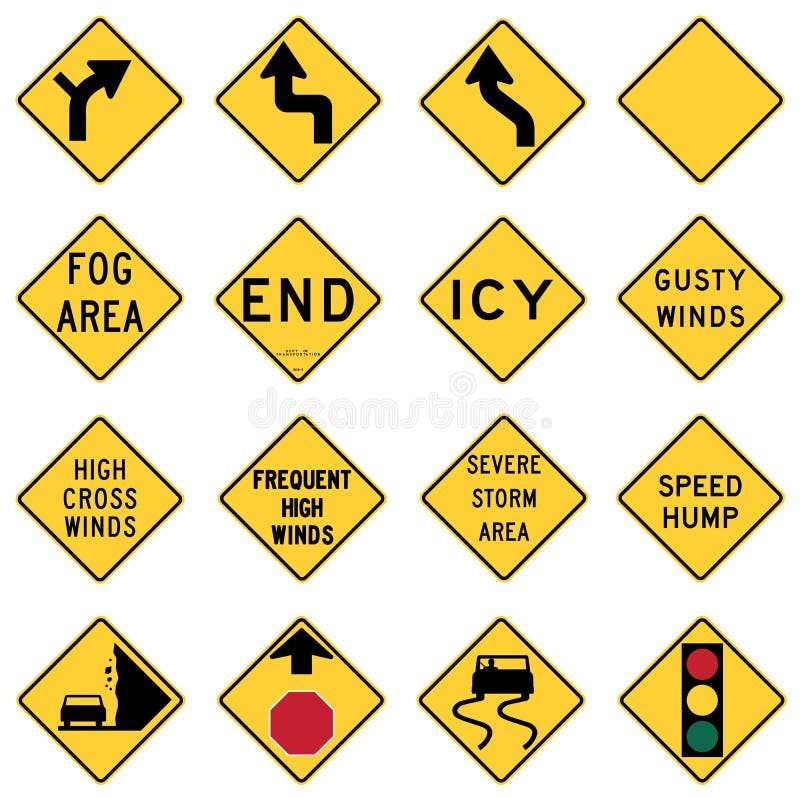
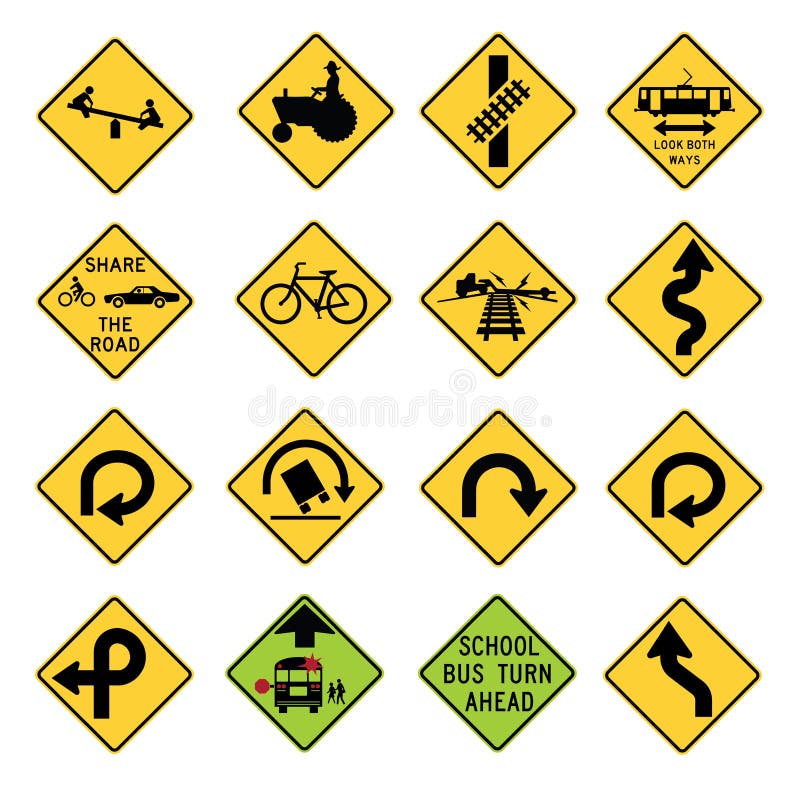
Free with trial Vector Illustration collection of the select Traffic Signs in the United States, isolated on white background. You can find other road signs in my portfolio. EPS file available. Warning signs are found in the W series of the national MUTCD. They highlight existing conditions, such as a curve, school, dead end street, or traffic signal. They can also warn possible danger such as bumps, bicycles, low flying aircraft or emergency vehicles. These signs are either yellow or fluorescent yellow in color and with the exception of a few signs are usually diamond shaped and sometimes have square or rectangular smaller signs or plaques associated with them. Most W series signs can also be found in with orange backgrounds, for temporary use in situations such as construction zones. Some of the temporary use signs are only for use in temporary situations. In the United States, road signs are, for the most part, standardized by federal regulations, most notably in the Manual on Uniform Traffic Control Devices (MUTCD) and its companion volume the Standard Highway Signs (SHS). There currently are no plans for adopting the Vienna Convention on Road Signs and Signals standards. Twenty-three states along with the District of Columbia and Puerto Rico use the manual without any alterations, 20 states have adopted it in conjunction with a supplemental volume, and seven states have a state version in substantial conformance to the MUTCD. There are also localized versions that are used in large cities such as New York City which use a naming system compatible with the MUTCD and/or state supplement. The MUTCD and SHS establish seven general categories of signs for road and highway use. Included illustrations are select examples of the MUTCD Warning Signs categories. Select vectors Traffic Warning Signs in the United States. Vector Illustration collection of the select Traffic Signs in the United States, isolated on white background. You. Vector Illustration collection of the select Traffic Signs in the United States, isolated on white background. You can find other road signs in my portfolio. EPS file available. Warning signs are found in the W series of the national MUTCD. They highlight existing conditions, such as a curve, school, dead end street, or traffic signal. They can also warn possible danger such as bumps, bicycles, low flying aircraft or emergency vehicles. These signs are either yellow or fluorescent yellow in color and with the exception of a few signs are usually diamond shaped and sometimes have square or rectangular smaller signs or plaques associated with them. Most W series signs can also be found in with orange backgrounds, for temporary use in situations such as construction zones. Some of the temporary use signs are only for use in temporary situations. In the United States, road signs are, for the most part, standardized by federal regulations, most notably in the Manual on Uniform Traffic Control Devices (MUTCD) and its companion volume the Standard Highway Signs (SHS). There currently are no plans for adopting the Vienna Convention on Road Signs and Signals standards. Twenty-three states along with the District of Columbia and Puerto Rico use the manual without any alterations, 20 states have adopted it in conjunction with a supplemental volume, and seven states have a state version in substantial conformance to the MUTCD. There are also localized versions that are used in large cities such as New York City which use a naming system compatible with the MUTCD and/or state supplement. The MUTCD and SHS establish seven general categories of signs for road and highway use. Included illustrations are select examples of the MUTCD Warning Signs categories.
Free with trial Vector Illustration collection of the select Traffic Signs in the United States, isolated on white background. You can find other road signs in my portfolio. EPS file available. Warning signs are found in the W series of the national MUTCD. They highlight existing conditions, such as a curve, school, dead end street, or traffic signal. They can also warn possible danger such as bumps, bicycles, low flying aircraft or emergency vehicles. These signs are either yellow or fluorescent yellow in color and with the exception of a few signs are usually diamond shaped and sometimes have square or rectangular smaller signs or plaques associated with them. Most W series signs can also be found in with orange backgrounds, for temporary use in situations such as construction zones. Some of the temporary use signs are only for use in temporary situations. In the United States, road signs are, for the most part, standardized by federal regulations, most notably in the Manual on Uniform Traffic Control Devices (MUTCD) and its companion volume the Standard Highway Signs (SHS). There currently are no plans for adopting the Vienna Convention on Road Signs and Signals standards. Twenty-three states along with the District of Columbia and Puerto Rico use the manual without any alterations, 20 states have adopted it in conjunction with a supplemental volume, and seven states have a state version in substantial conformance to the MUTCD. There are also localized versions that are used in large cities such as New York City which use a naming system compatible with the MUTCD and/or state supplement. The MUTCD and SHS establish seven general categories of signs for road and highway use. Included illustrations are select examples of the MUTCD Warning Signs categories. Select vectors Traffic Warning Signs in the United States. Vector Illustration collection of the select Traffic Signs in the United States, isolated on white background. You. Vector Illustration collection of the select Traffic Signs in the United States, isolated on white background. You can find other road signs in my portfolio. EPS file available. Warning signs are found in the W series of the national MUTCD. They highlight existing conditions, such as a curve, school, dead end street, or traffic signal. They can also warn possible danger such as bumps, bicycles, low flying aircraft or emergency vehicles. These signs are either yellow or fluorescent yellow in color and with the exception of a few signs are usually diamond shaped and sometimes have square or rectangular smaller signs or plaques associated with them. Most W series signs can also be found in with orange backgrounds, for temporary use in situations such as construction zones. Some of the temporary use signs are only for use in temporary situations. In the United States, road signs are, for the most part, standardized by federal regulations, most notably in the Manual on Uniform Traffic Control Devices (MUTCD) and its companion volume the Standard Highway Signs (SHS). There currently are no plans for adopting the Vienna Convention on Road Signs and Signals standards. Twenty-three states along with the District of Columbia and Puerto Rico use the manual without any alterations, 20 states have adopted it in conjunction with a supplemental volume, and seven states have a state version in substantial conformance to the MUTCD. There are also localized versions that are used in large cities such as New York City which use a naming system compatible with the MUTCD and/or state supplement. The MUTCD and SHS establish seven general categories of signs for road and highway use. Included illustrations are select examples of the MUTCD Warning Signs categories.
Free with trial Set of check mark icons. This is file of EPS10 format. Select vectors Set of check mark icons. This is file of EPS10 format
Free with trial Set of click here labels. With shadow on white background. Select vectors Set of click here labels. With shadow on white background
Free with trial Online shopping icon set. Online shopping,e-commerce icon set,vector and illustration. Select vectors Online shopping icon set. Online shopping,e-commerce icon set,vector and illustration
Free with trial Pointing at you emoticon. Vector emoticon pointing at you. Select vectors Pointing at you emoticon. Vector emoticon pointing at you
Free with trial Web site menu and icon set. Vector. Select vectors Web site menu and icon set. Vector
Free with trial Vector check mark stickers. Check mark stickers - illustration. Select vectors Vector check mark stickers. Check mark stickers - illustration
Free with trial Vector check mark stickers. Check mark stickers - illustration. Select vectors Vector check mark stickers. Check mark stickers - illustration
Free with trial Yes or No paper check marks. Illustration. Select vectors Yes or No paper check marks. Illustration
Free with trial Website blue glossy buttons, vector. Select vectors Website blue glossy buttons. Vector
Free with trial Business hand thumb up with true and false sign. Vector illustration of positive and negative feedback concept. Minimal and flat design. Select vectors Positive and negative feedback. Business hand thumb up with true and false sign. Vector illustration of positive and negative feedback concept. Minimal and flat. Business hand thumb up with true and false sign. Vector illustration of positive and negative feedback concept. Minimal and flat design
Free with trial Red tick marker checkmark vector square box icon. Red tick or marker checkmark vector icon for checkbox symbol in square box. Select vectors Red tick marker checkmark vector square box icon. Red tick or marker checkmark vector icon for checkbox symbol in square box
Free with trial A set of 35 popular social media icons for use in print and web projects. Icons include Pinterest, YouTube, Flickr, Google Plus, Twitter, Facebook and more. Select vectors Square Social Media icons. A set of 35 popular social media icons for use in print and web projects. Icons include Pinterest, YouTube, Flickr, Google Plus. A set of 35 popular social media icons for use in print and web projects. Icons include Pinterest, YouTube, Flickr, Google Plus, Twitter, Facebook and more....
Free with trial Check mark icons. Set of check mark icons. Select vectors Check mark icons. Set of check mark icons
Free with trial A set of fully editable vintage organic farming stamps in woodcut style. EPS10 vector illustration. Use gradient mesh and transparency. Select vectors Vintage organic farming stamps set. A set of fully editable vintage organic farming stamps in woodcut style. EPS10 vector illustration. Use gradient mesh and. A set of fully editable vintage organic farming stamps in woodcut style. EPS10 vector illustration. Use gradient mesh and transparency.
Free with trial Online Casino Web template Elements: Logo, Buttons, Headlines, Patterns, Backgrounds for creating the Site. Select vectors Online Casino Web template Elements. Logo, Buttons, Headlines, Patterns, Backgrounds for creating the Site
Free with trial Buy now icons. Illustration of buy now icons collection. Select vectors Buy now icons. Illustration of buy now icons collection
Free with trial Canned goods in a row. Tinned goods food product stuff, preserved food, supplied in a sealed can. Vector flat style cartoon illustration isolated on white background. Select vectors Canned goods in a row. Tinned goods food product stuff, preserved food, supplied in a sealed can. Vector flat style cartoon illustration isolated on white
Free with trial Happy cute kid girl with thumb up sign. Select vectors Happy cute kid girl with thumb up sign
Free with trial Set of Green Check Mark Icon and Red X cross Tick Symbol. On transparent background vector web icon. Select vectors Set of Green Check Mark Icon and Red X cross Tick Symbol. On transparent background vector web icon
Free with trial Web design elements extreme collection 2 - Many different form styles, frames, bars, icons, banners, login forms, buttons and so on!. Select vectors Web design elements extreme collection 2. Many different form styles, frames, bars, icons, banners, login forms, buttons and so on
 Sign in