Free with trial Color Wheel. Or color circle isolated on black background. Selectively vectors Color Wheel. Or color circle isolated on black background
Free with trial Funny introvert quotes for print. Funny and Inspirational Anti-Social SVG Design Bundle - Hand-Drawn Vector Illustrations for T-Shirts, Prints, Posters, and More. Selectively vectors Funny introvert quotes for print. Funny and Inspirational Anti-Social SVG Design Bundle - Hand-Drawn Vector Illustrations for T-Shirts, Prints, Posters, and More
Free with trial Rgb shapes. Round selective wheels colored circles spectrum waves pallets recent vector illustrations set. Color rgb shape, colour circle. Selectively vectors Rgb shapes. Round selective wheels colored circles spectrum waves pallets recent vector illustrations set. Color rgb shape, colour circle
Free with trial Froth flotation, separation of particle operation process. Froth flotation is a process for selectively separating hydrophobic materials from hydrophilic. Froth flotation process for the sulphide ore. Selectively vectors Froth flotation is a process. Froth flotation, separation of particle operation process. Froth flotation is a process for selectively separating hydrophobic. Froth flotation, separation of particle operation process. Froth flotation is a process for selectively separating hydrophobic materials from hydrophilic. Froth flotation process for the sulphide ore
Free with trial A phospholipid molecule is a type of lipid that is a crucial component of cell membranes. It consists of a hydrophilic head and hydrophobic tails, which allow it to form a lipid bilayer structure. The lipid bilayer arrangement forms the basis of cell membranes, providing a selectively permeable barrier for the cell. In contrast, a micelle is another lipid structure formed by the aggregation of lipids, where the hydrophobic tails face inward and the hydrophilic heads face outward, creating a spherical shape. Micelles are often formed in aqueous solutions when the concentration of lipids is high enough to allow the formation of these structures. Selectively vectors Phospholipid molecule, Lipid bilayer, Micelle (black and white. A phospholipid molecule is a type of lipid that is a crucial component of cell membranes. It. A phospholipid molecule is a type of lipid that is a crucial component of cell membranes. It consists of a hydrophilic head and hydrophobic tails, which allow it to form a lipid bilayer structure. The lipid bilayer arrangement forms the basis of cell membranes, providing a selectively permeable barrier for the cell. In contrast, a micelle is another lipid structure formed by the aggregation of lipids, where the hydrophobic tails face inward and the hydrophilic heads face outward, creating a spherical shape. Micelles are often formed in aqueous solutions when the concentration of lipids is high enough to allow the formation of these structures.
Free with trial A phospholipid molecule is a type of lipid that is a crucial component of cell membranes. It consists of a hydrophilic head and hydrophobic tails, which allow it to form a lipid bilayer structure. The lipid bilayer arrangement forms the basis of cell membranes, providing a selectively permeable barrier for the cell. In contrast, a micelle is another lipid structure formed by the aggregation of lipids, where the hydrophobic tails face inward and the hydrophilic heads face outward, creating a spherical shape. Micelles are often formed in aqueous solutions when the concentration of lipids is high enough to allow the formation of these structures. Selectively vectors Phospholipid molecule, Lipid bilayer, Micelle (colors). A phospholipid molecule is a type of lipid that is a crucial component of cell membranes. It consists of. A phospholipid molecule is a type of lipid that is a crucial component of cell membranes. It consists of a hydrophilic head and hydrophobic tails, which allow it to form a lipid bilayer structure. The lipid bilayer arrangement forms the basis of cell membranes, providing a selectively permeable barrier for the cell. In contrast, a micelle is another lipid structure formed by the aggregation of lipids, where the hydrophobic tails face inward and the hydrophilic heads face outward, creating a spherical shape. Micelles are often formed in aqueous solutions when the concentration of lipids is high enough to allow the formation of these structures.
Free with trial Set of gift bows of different colors,. Selectively vectors Set bow. Set of gift bows of different colors. Set of gift bows of different colors,
Free with trial Anti-Social SVG Bundle - Perfect for Introverts - Inspirational Quotes, Sayings, and Hand-Drawn Vector Illustrations for T-Shirts, Cards, Posters, and More. Selectively vectors Anti-Social SVG bundle for introverts. Anti-Social SVG Bundle - Perfect for Introverts - Inspirational Quotes, Sayings, and Hand-Drawn Vector Illustrations for T. Anti-Social SVG Bundle - Perfect for Introverts - Inspirational Quotes, Sayings, and Hand-Drawn Vector Illustrations for T-Shirts, Cards, Posters, and More
Free with trial Introvert Inspiration: Anti-Social SVG Design Bundle with Hand-Drawn Vector Illustrations and Quotes for T-Shirts, Bags, Posters, and Cards. ". Selectively vectors Anti social quote hand-drawn vector design. Introvert Inspiration: Anti-Social SVG Design Bundle with Hand-Drawn Vector Illustrations and Quotes for T-Shirts. Introvert Inspiration: Anti-Social SVG Design Bundle with Hand-Drawn Vector Illustrations and Quotes for T-Shirts, Bags, Posters, and Cards."
Free with trial Anti-Social SVG Bundle - Perfect for Introverts - Hand-Drawn Vector Illustrations and Inspirational Quotes for T-Shirts, Posters, Cards, and More. Selectively vectors Perfect introvert gift: hand-lettered t-shirt quote. Anti-Social SVG Bundle - Perfect for Introverts - Hand-Drawn Vector Illustrations and Inspirational Quotes. Anti-Social SVG Bundle - Perfect for Introverts - Hand-Drawn Vector Illustrations and Inspirational Quotes for T-Shirts, Posters, Cards, and More
Free with trial The Best Anti-Social SVG Bundle for Introverts - Hand-Drawn Vector Illustrations and Quotes for T-Shirts, Posters, Cards, and More. Selectively vectors Best for t-shirts: ant social introvert quote. The Best Anti-Social SVG Bundle for Introverts - Hand-Drawn Vector Illustrations and Quotes for T-Shirts, Posters. The Best Anti-Social SVG Bundle for Introverts - Hand-Drawn Vector Illustrations and Quotes for T-Shirts, Posters, Cards, and More
Free with trial Color wheel palett or color circle. The physical representation of color transitions and HSB. Selectively vectors Color wheel or color circle. Color wheel palett or color circle. The physical representation of color transitions and HSB. Color wheel palett or color circle. The physical representation of color transitions and HSB.
Free with trial Color wheel palett or color circle isolated. The physical representation of color transitions and HSB. Selectively vectors Color wheel or color circle. Color wheel palett or color circle isolated. The physical representation of color transitions and HSB. Color wheel palett or color circle isolated. The physical representation of color transitions and HSB.
Free with trial Color circle on a black background. Illustration of Color circle on a black background. Selectively vectors Color circle on a black background. Illustration of Color circle on a black background
Free with trial Color wheel palett or color circle isolated on black background. The physical representation of color transitions and HSB. Selectively vectors Color wheel or color circle on black background. Color wheel palett or color circle isolated on black background. The physical representation of color. Color wheel palett or color circle isolated on black background. The physical representation of color transitions and HSB.
Free with trial Rgb circles. Round abstract shapes selective colored spectrum waves frequency wheels rgb palletes recent vector symbols. Illustration spectrum circle round, rgb color, colour multicolored ring. Selectively vectors Rgb circles. Round abstract shapes selective colored spectrum waves frequency wheels rgb palletes recent vector stylized. Rgb circles. Round abstract shapes. Rgb circles. Round abstract shapes selective colored spectrum waves frequency wheels rgb palletes recent vector symbols. Illustration spectrum circle round, rgb color, colour multicolored ring
Free with trial Color Wheel. Or color circle on black background. Selectively vectors Color Wheel. Or color circle on black background
Free with trial Color Wheel. Color circles seamless vector pattern on white background. Selectively vectors Color Wheel. Color circles seamless vector pattern on white background
Free with trial Color Wheel. Shaped like shell, on white background. Selectively vectors Color Wheel. Shaped like shell, on white background
Free with trial Osmosis is the spontaneous net movement or diffusion of solvent molecules through a selectively-permeable membrane from a region of high water potential to a region of low water potential, in the direction that tends to equalize the solute concentrations on the two sides. Selectively vectors Osmosis in red blood cells science vector illustration diagram. Osmosis is the spontaneous net movement or diffusion of solvent molecules through a selectively. Osmosis is the spontaneous net movement or diffusion of solvent molecules through a selectively-permeable membrane from a region of high water potential to a region of low water potential, in the direction that tends to equalize the solute concentrations on the two sides
Free with trial This minimalist graphic features the phrase "SELECTIVELY SOCIAL" in bold dark gray text, centered on a clean white background. Below the text, a dark gray toggle switch icon is depicted in the "OFF" position, accompanied by the word "OFF. " The image visually represents the concept of choosing to limit social interactions, highlighting introversion, setting personal boundaries, or taking a break from social demands. It's ideal for themes related to mental health, self-care, digital detox, and personal well-being. Selectively vectors Selectively Social Off Mode Toggle Switch. This minimalist graphic features the phrase 'SELECTIVELY SOCIAL' in bold dark gray text, centered on a clean white. This minimalist graphic features the phrase "SELECTIVELY SOCIAL" in bold dark gray text, centered on a clean white background. Below the text, a dark gray toggle switch icon is depicted in the "OFF" position, accompanied by the word "OFF." The image visually represents the concept of choosing to limit social interactions, highlighting introversion, setting personal boundaries, or taking a break from social demands. It's ideal for themes related to mental health, self-care, digital detox, and personal well-being.
Free with trial Black and white vector art featuring the phrase todays mood selectively available surrounded by icons of muted smartphones, an envelope, steaming coffee mug, curtain, moon, and stars. Generative AI. Selectively vectors Todays mood selectively available phrase with muted phone envelope coffee cup icons black and white vector art. Black and white vector art featuring the phrase. Black and white vector art featuring the phrase todays mood selectively available surrounded by icons of muted smartphones, an envelope, steaming coffee mug, curtain, moon, and stars. Generative AI
Free with trial A farm robot guided by AI algorithms navigates through a field to selectively harvest ripe crops optimizing yield and. Minimizing waste.. Vector illustration AI. Selectively vectors A farm robot guided by AI algorithms navigates through a field to selectively harvest ripe crops optimizing yield and. Minimizing waste.. Vector illustration AI
Free with trial An autonomous weed control robot equipped with sensors and advanced algorithms identifying and selectively spraying. Invasive plants.. Vector illustration AI. Selectively vectors An autonomous weed control robot equipped with sensors and advanced algorithms identifying and selectively spraying. Invasive plants.. Vector illustration AI
Free with trial An AIenhanced precision pest control robot that selectively removes pests from plants without damaging the crops. Vector illustration AI generated. Selectively vectors An AIenhanced precision pest control robot that selectively removes pests from plants without damaging the crops. Vector illustration AI generated
Free with trial A robotic harvesting machine equipped with AI vision technology that can identify and selectively pick ripe fruits and vegetables reducing labor costs and resource waste.. Vector. Selectively vectors A robotic harvesting machine equipped with AI vision technology that can identify and selectively pick ripe fruits and. Vegetables reducing labor costs and. A robotic harvesting machine equipped with AI vision technology that can identify and selectively pick ripe fruits and vegetables reducing labor costs and resource waste.. Vector
Free with trial A robotic harvester traveled along a row of strawberry plants selectively picking ripe fruit and leaving unripe ones to grow. This precise harvesting technique ensures efficient. Vector. Selectively vectors A robotic harvester traveled along a row of strawberry plants selectively picking ripe fruit and leaving unripe ones to. Grow. This precise harvesting technique. A robotic harvester traveled along a row of strawberry plants selectively picking ripe fruit and leaving unripe ones to grow. This precise harvesting technique ensures efficient. Vector
Free with trial Visualizing Nanobot Activity A colorful crosssection of a human organ like a liver with nanobots visibly at work inside. Selectively repairing damaged cells. AI. Selectively vectors Visualizing Nanobot Activity A colorful crosssection of a human organ like a liver with nanobots visibly at work inside. Selectively repairing damaged cells. AI
Free with trial Equipped with advanced cameras and image recognition software a robotic harvester can accurately identify and selectively pick only the ripest and highest quality fruits from a. Vector. Selectively vectors Equipped with advanced cameras and image recognition software a robotic harvester can accurately identify and. Selectively pick only the ripest and highest. Equipped with advanced cameras and image recognition software a robotic harvester can accurately identify and selectively pick only the ripest and highest quality fruits from a. Vector
Free with trial CRISPR pixel perfect line color icon. Selectively modify and edit DNA of living organisms. Genome changing. Biotechnology research process. Filled outlined pictogram. Flat vector illustration. Selectively vectors CRISPR pixel perfect line color icon. Selectively modify and edit DNA of living organisms. Genome changing. Biotechnology research process. Filled outlined
Free with trial CRISPR pixel perfect simple line icon. Selectively modify and edit DNA of living organisms. Genome changing. Biotechnology research process. Contour outline pictogram. Minimalist linear vector. Selectively vectors CRISPR pixel perfect simple line icon. Selectively modify and edit DNA of living organisms. Genome changing. Biotechnology research process. Contour outline
Free with trial CRISPR pixel perfect duotone line icon. Selectively modify and edit DNA of living organisms. Genome changing. Biotechnology research process. Bicolor linear graphic. Two-color outline pictogram. Selectively vectors CRISPR pixel perfect duotone line icon. Selectively modify and edit DNA of living organisms. Genome changing. Biotechnology research process. Bicolor linear
Free with trial Attention : Attention is the cognitive process of selectively concentrating on particular information while ignoring other surrounding stimuli. Selectively vectors Illustration of Attention. Attention : Attention is the cognitive process of selectively concentrating on particular information while ignoring other surrounding. Attention : Attention is the cognitive process of selectively concentrating on particular information while ignoring other surrounding stimuli.
Free with trial Animal cell osmosis. Experiment using red blood cells in beakers containing hypertonic, hypotonic, and isotonic solutions. Detailed Vector poster. Selectively vectors Animal cell osmosis. Experiment with red blood cells. Animal cell osmosis. Experiment using red blood cells in beakers containing hypertonic, hypotonic, and. Animal cell osmosis. Experiment using red blood cells in beakers containing hypertonic, hypotonic, and isotonic solutions. Detailed Vector poster
Free with trial Scientific educational showing a clear and detailed visual representation of a biological, medical, anatomical, or scientific concept, structure, process, or mechanism. Ideal for educational materials, academic publications, research, healthcare content, medical textbooks, biology resources, laboratory science, clinical education, presentations, and scientific communication. Selectively vectors Osmosis and Diffusion Diagram Showing Water Movement Across a Semipermeable Membrane. Scientific educational showing a clear and detailed visual representation. Scientific educational showing a clear and detailed visual representation of a biological, medical, anatomical, or scientific concept, structure, process, or mechanism. Ideal for educational materials, academic publications, research, healthcare content, medical textbooks, biology resources, laboratory science, clinical education, presentations, and scientific communication.
Free with trial Color the molecules of the plasma membrane. Selectively vectors Worksheet \'Plasma membrane\'. Color the molecules of the plasma membrane. Color the molecules of the plasma membrane.
Free with trial A charming and vibrant line art illustration featuring a branch adorned with fresh raspberries and blueberries. The minimalist black outline style is selectively colored with bright red for the raspberries and deep blue for the blueberries, set against a clean white background. This graphic evokes feelings of freshness, health, and natural goodness. Ideal for food-related designs, healthy lifestyle content, packaging, educational materials, or decorative elements, offering a simple yet eye-catching visual. Selectively vectors Minimalist Line Art Raspberry and Blueberry Branch. A charming and vibrant line art illustration featuring a branch adorned with fresh raspberries and. A charming and vibrant line art illustration featuring a branch adorned with fresh raspberries and blueberries. The minimalist black outline style is selectively colored with bright red for the raspberries and deep blue for the blueberries, set against a clean white background. This graphic evokes feelings of freshness, health, and natural goodness. Ideal for food-related designs, healthy lifestyle content, packaging, educational materials, or decorative elements, offering a simple yet eye-catching visual.
Free with trial A black icon featuring a square frame with both a minus and a plus sign, signifying multi-state functionality for adding or removing within a defined area. This versatile design is suitable for quantity adjustments, content management, or any interface where elements can be selectively added or subtracted from a specific container. Efficient and clear, vector design Generative AI. Selectively vectors Add and remove square, multi-state function icon, vector design Generative AI. A black icon featuring a square frame with both a minus and a plus sign. A black icon featuring a square frame with both a minus and a plus sign, signifying multi-state functionality for adding or removing within a defined area. This versatile design is suitable for quantity adjustments, content management, or any interface where elements can be selectively added or subtracted from a specific container. Efficient and clear, vector design Generative AI
Free with trial A robotic arm attached to a harvesting machine using its advanced technology to differentiate between ripe fruits and weeds as it moves along the rows of plants. The arm. Vector. Selectively vectors A robotic arm attached to a harvesting machine using its advanced technology to differentiate between ripe fruits and. Weeds as it moves along the rows of. A robotic arm attached to a harvesting machine using its advanced technology to differentiate between ripe fruits and weeds as it moves along the rows of plants. The arm. Vector
Free with trial I'm not sarcastic I'm just selectively polite vintage rusty metal sign on a white background, vector illustration. Selectively vectors I\'m not sarcastic I\'m just selectively polite vintage rusty metal sign. I'm not sarcastic I'm just selectively polite vintage rusty metal sign on a white. I'm not sarcastic I'm just selectively polite vintage rusty metal sign on a white background, vector illustration
Free with trial Motivational calligraphy `I`m not anti-social, I`m selectively social`. Isolated vector on a white background. It can be used for packaging, postcards, posters, fabrics, wallpapers, t-shirts. Selectively vectors Motivational calligraphy `I`m not anti-social, I`m selectively social`. Isolated vector on a white background. It can be used for. Packaging, postcards, posters. Motivational calligraphy `I`m not anti-social, I`m selectively social`. Isolated vector on a white background. It can be used for packaging, postcards, posters, fabrics, wallpapers, t-shirts.
Free with trial A logging company implements sustainable practices selectively harvesting mature trees and replanting them to maintain the health of the forest.. Vector illustration. Selectively vectors A logging company implements sustainable practices selectively harvesting mature trees and replanting them to maintain. The health of the forest.. Vector
Free with trial Bacteriophage. A virus that selectively affects bacterial cells. Polygonal construction of lines and points. Blue background. Selectively vectors Bacteriophage. A virus that selectively affects bacterial cells. Polygonal construction of lines and points. Blue background
Free with trial Selectively remember information loop concept icon. Memory suppression. Confirmation bias sign abstract idea thin line illustration. Isolated outline drawing. Editable stroke. Arial font used. Selectively vectors Selectively remember information loop concept icon. Memory suppression. Confirmation bias sign abstract idea thin line illustration. Isolated outline drawing
Free with trial Batik is an Indonesian technique of wax-resist dyeing applied to the whole cloth. This technique originated from the island of Java, Indonesia. Batik is made either by drawing dots and lines of the resist with a spouted tool called a canting, or by printing the resist with a copper stamp called a cap. The applied wax resists dyes and therefore allows the artisan to colour selectively by soaking the cloth in one colour, removing the wax with boiling water, and repeating if multiple colours are desired. On October 2, 2009, UNESCO officially recognized the batik—written batik (batik tulis) and stamped batik (batik cap)—as a Masterpiece of Oral and Intangible Heritage of Humanity from Indonesia, and encouraged the Indonesian people and the Indonesian government to safeguard, transmit, promote, and develop the craftsmanship of batik. Selectively vectors Simple vector batik indonesia pattern. Batik is an Indonesian technique of wax-resist dyeing applied to the whole cloth. This technique originated from the. Batik is an Indonesian technique of wax-resist dyeing applied to the whole cloth. This technique originated from the island of Java, Indonesia. Batik is made either by drawing dots and lines of the resist with a spouted tool called a canting, or by printing the resist with a copper stamp called a cap. The applied wax resists dyes and therefore allows the artisan to colour selectively by soaking the cloth in one colour, removing the wax with boiling water, and repeating if multiple colours are desired. On October 2, 2009, UNESCO officially recognized the batik—written batik (batik tulis) and stamped batik (batik cap)—as a Masterpiece of Oral and Intangible Heritage of Humanity from Indonesia, and encouraged the Indonesian people and the Indonesian government to safeguard, transmit, promote, and develop the craftsmanship of batik.
Free with trial Batik is an Indonesian technique of wax-resist dyeing applied to the whole cloth. This technique originated from the island of Java, Indonesia. Batik is made either by drawing dots and lines of the resist with a spouted tool called a canting, or by printing the resist with a copper stamp called a cap. The applied wax resists dyes and therefore allows the artisan to colour selectively by soaking the cloth in one colour, removing the wax with boiling water, and repeating if multiple colours are desired. On October 2, 2009, UNESCO officially recognized the batik—written batik (batik tulis) and stamped batik (batik cap)—as a Masterpiece of Oral and Intangible Heritage of Humanity from Indonesia, and encouraged the Indonesian people and the Indonesian government to safeguard, transmit, promote, and develop the craftsmanship of batik. Selectively vectors Or historycal batik indonesia pattern seamless. Batik is an Indonesian technique of wax-resist dyeing applied to the whole cloth. This technique originated from. Batik is an Indonesian technique of wax-resist dyeing applied to the whole cloth. This technique originated from the island of Java, Indonesia. Batik is made either by drawing dots and lines of the resist with a spouted tool called a canting, or by printing the resist with a copper stamp called a cap. The applied wax resists dyes and therefore allows the artisan to colour selectively by soaking the cloth in one colour, removing the wax with boiling water, and repeating if multiple colours are desired. On October 2, 2009, UNESCO officially recognized the batik—written batik (batik tulis) and stamped batik (batik cap)—as a Masterpiece of Oral and Intangible Heritage of Humanity from Indonesia, and encouraged the Indonesian people and the Indonesian government to safeguard, transmit, promote, and develop the craftsmanship of batik.
Free with trial Alternative eco waste stamp containing: two environmentally sound eco motifs in circle frames, grunge ink rubber stamp effect, textured paper background, eps10 vector illustration. Selectively vectors Alternative eco waste stamp. Containing: two environmentally sound eco motifs in circle frames, grunge ink rubber stamp effect, textured paper background, eps10
Free with trial Cell membrane, plasma membrane, cytoplasmic membrane, plasmalemma. Selectively vectors Cell membrane, plasma membrane. Cytoplasmic membrane, plasmalemma
Free with trial Cell membrane, plasma membrane, cytoplasmic membrane, plasmalemma. Selectively vectors Cell membrane, Plasma membrane. Cytoplasmic membrane, plasmalemma
Free with trial Color wheel palett or color circle isolated. The physical representation of color transitions and HSB. Selectively vectors Color wheel or color circle. Color wheel palett or color circle isolated. The physical representation of color transitions and HSB. Color wheel palett or color circle isolated. The physical representation of color transitions and HSB.
Free with trial Color wheel palett or color circle on background. The physical representation of color transitions and HSB. Selectively vectors Color wheel or color circle on background. Color wheel palett or color circle on background. The physical representation of color transitions and HSB. Color wheel palett or color circle on background. The physical representation of color transitions and HSB.
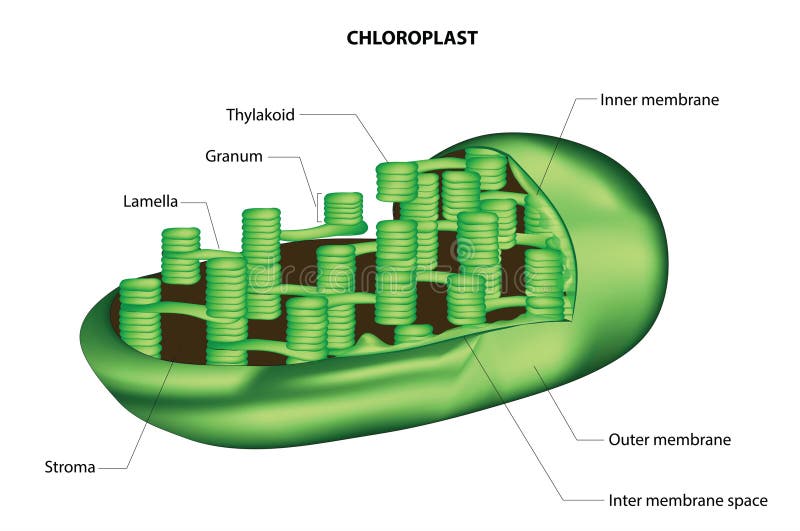
Free with trial Chloroplasts are remarkable organelles found in the cells of plants, algae, and some other photosynthetic organisms. They play a central role in the process of photosynthesis, which is crucial for sustaining life on Earth. The anatomy of chloroplasts is intricately designed to facilitate the complex series of biochemical reactions involved in photosynthesis. At first glance, chloroplasts appear as small, oval-shaped structures within the cytoplasm of plant cells. However, a closer examination reveals a highly organized internal structure that is essential for their function. The outer membrane of the chloroplast serves as a barrier, separating the interior of the organelle from the surrounding cytoplasm. This membrane is semi-permeable, allowing the passage of certain molecules in and out of the chloroplast. Enclosed within the outer membrane is the inner membrane of the chloroplast, which is also selectively permeable. Together, these membranes regulate the exchange of molecules between the chloroplast and the rest of the cell, ensuring the proper functioning of photosynthesis. The internal space of the chloroplast is filled with a fluid called the stroma. The stroma contains enzymes, DNA, ribosomes, and other components necessary for the synthesis of organic molecules during photosynthesis. Embedded within the stroma are stacks of disc-like structures called thylakoids. These interconnected membranes contain the photosynthetic pigments, including chlorophyll, which absorb light energy during the light-dependent reactions of photosynthesis. The arrangement of thylakoids in stacks, known as grana, increases the surface area available for light absorption and facilitates the efficient transfer of electrons and protons during photosynthesis. Within the thylakoid membranes, light energy is used to drive the conversion of water and carbon dioxide into oxygen and glucose. This process involves a series of complex biochemical reactions, including the photosystems, electron transport chain, and ATP synthase complexes. The intricate anatomy of chloroplasts reflects their essential role in sustaining life on Earth. Through the process of photosynthesis, chloroplasts harness the energy of sunlight to produce oxygen, a vital component of the atmosphere, and organic molecules, which serve as the basis of the food web. Understanding the anatomy and function of chloroplasts not only deepens our appreciation of the natural world but also provides insights into strategies for improving agricultural productivity and addressing global challenges such as climate change. Selectively vectors Chloroplast vector. Chloroplasts are remarkable organelles found in the cells of plants, algae, and some other photosynthetic organisms. They play a central role. Chloroplasts are remarkable organelles found in the cells of plants, algae, and some other photosynthetic organisms. They play a central role in the process of photosynthesis, which is crucial for sustaining life on Earth. The anatomy of chloroplasts is intricately designed to facilitate the complex series of biochemical reactions involved in photosynthesis. At first glance, chloroplasts appear as small, oval-shaped structures within the cytoplasm of plant cells. However, a closer examination reveals a highly organized internal structure that is essential for their function. The outer membrane of the chloroplast serves as a barrier, separating the interior of the organelle from the surrounding cytoplasm. This membrane is semi-permeable, allowing the passage of certain molecules in and out of the chloroplast. Enclosed within the outer membrane is the inner membrane of the chloroplast, which is also selectively permeable. Together, these membranes regulate the exchange of molecules between the chloroplast and the rest of the cell, ensuring the proper functioning of photosynthesis. The internal space of the chloroplast is filled with a fluid called the stroma. The stroma contains enzymes, DNA, ribosomes, and other components necessary for the synthesis of organic molecules during photosynthesis. Embedded within the stroma are stacks of disc-like structures called thylakoids. These interconnected membranes contain the photosynthetic pigments, including chlorophyll, which absorb light energy during the light-dependent reactions of photosynthesis. The arrangement of thylakoids in stacks, known as grana, increases the surface area available for light absorption and facilitates the efficient transfer of electrons and protons during photosynthesis. Within the thylakoid membranes, light energy is used to drive the conversion of water and carbon dioxide into oxygen and glucose. This process involves a series of complex biochemical reactions, including the photosystems, electron transport chain, and ATP synthase complexes. The intricate anatomy of chloroplasts reflects their essential role in sustaining life on Earth. Through the process of photosynthesis, chloroplasts harness the energy of sunlight to produce oxygen, a vital component of the atmosphere, and organic molecules, which serve as the basis of the food web. Understanding the anatomy and function of chloroplasts not only deepens our appreciation of the natural world but also provides insights into strategies for improving agricultural productivity and addressing global challenges such as climate change.
Free with trial Diflubenzuron is an insecticide of the benzoylurea class. It is used in forest management and on field crops to selectively control insect pests, boll weevils, gypsy moths, and other types of moths. Selectively vectors Diflubenzuron is an insecticide. Of the benzoylurea class. It is used in forest management and on field crops to selectively control insect pests, boll weevils. Diflubenzuron is an insecticide of the benzoylurea class. It is used in forest management and on field crops to selectively control insect pests, boll weevils, gypsy moths, and other types of moths
Free with trial The lysosomal membrane encloses the lysosome, forming a boundary between the lysosomal contents and the rest of the cell's cytoplasm. This membrane is composed of lipids and proteins and helps maintain the internal environment of the lysosome by selectively allowing certain substances to enter or exit. Selectively vectors Lysosomal anatomy. The lysosomal membrane encloses the lysosome, forming a boundary between the lysosomal contents and the rest of the cell's cytoplasm. This. The lysosomal membrane encloses the lysosome, forming a boundary between the lysosomal contents and the rest of the cell's cytoplasm. This membrane is composed of lipids and proteins and helps maintain the internal environment of the lysosome by selectively allowing certain substances to enter or exit.
Free with trial Color wheel palett or color circle isolated on black background. The physical representation of color transitions and HSB. Selectively vectors Color wheel or color circle on black background. Color wheel palett or color circle isolated on black background. The physical representation of color. Color wheel palett or color circle isolated on black background. The physical representation of color transitions and HSB.
Free with trial Color circle on a black background. Illustration of Color circle on a black background. Selectively vectors Color circle on a black background. Illustration of Color circle on a black background
Free with trial Color circle on a black background. Illustration of Color circle on a black background. Selectively vectors Color circle on a black background. Illustration of Color circle on a black background
Free with trial Color wheel palett or color circle on black background. The physical representation of color transitions and HSB. Selectively vectors Color wheel or color circle on black background. Color wheel palett or color circle on black background. The physical representation of color transitions and HSB. Color wheel palett or color circle on black background. The physical representation of color transitions and HSB.
Free with trial Amineptine was used as an atypical tricyclic antidepressant that selectively inhibits the reuptake of dopamine and to a lesser extent norepinephrine, in turn producing an antidepressant effect. Selectively vectors Amineptine atypical tricyclic antidepressant. Amineptine was used as an atypical tricyclic antidepressant that selectively inhibits the reuptake of dopamine and. Amineptine was used as an atypical tricyclic antidepressant that selectively inhibits the reuptake of dopamine and to a lesser extent norepinephrine, in turn producing an antidepressant effect.
Free with trial Old handset. Old black handset on the white background. Selectively vectors Old handset. Old black handset on the white background
Free with trial Ramelteon is a sleep agent that selectively binds to the melatonin MT1 and MT2 receptors in the suprachiasmatic nucleus. Selectively vectors Ramelteon is a sleep agent. That selectively binds to the melatonin MT1 and MT2 receptors in the suprachiasmatic nucleus
Free with trial Spring Poster With Abstract Leaves. With Gradient Mesh, Vector Illustration. Selectively vectors Spring Poster With Abstract Leaves. With Gradient Mesh, Vector Illustration
Free with trial Spring Poster With Abstract Leaves. With Gradient Mesh, Vector Illustration. Selectively vectors Spring Poster With Abstract Leaves. With Gradient Mesh, Vector Illustration
Free with trial Spring Poster With Abstract Leaves. With Gradient Mesh, Vector Illustration. Selectively vectors Spring Poster With Abstract Leaves. With Gradient Mesh, Vector Illustration
Free with trial Spring Poster With Abstract Leaves. With Gradient Mesh, Vector Illustration. Selectively vectors Spring Poster With Abstract Leaves. With Gradient Mesh, Vector Illustration
Free with trial Mirtazapine is an atypical antidepressant with noradrenergic and specific serotonergic activity. It blocks the a2 adrenergic receptors and selectively antagonizes the 5HT2 serotonin receptors. Selectively vectors Mirtazapine is an atypical antidepressant. With noradrenergic and specific serotonergic activity. It blocks the a2 adrenergic receptors and selectively. Mirtazapine is an atypical antidepressant with noradrenergic and specific serotonergic activity. It blocks the a2 adrenergic receptors and selectively antagonizes the 5HT2 serotonin receptors
Free with trial Color wheel palett or color circle on black background. The physical representation of color transitions and HSB. Selectively vectors Color wheel or color circle on black background. Color wheel palett or color circle on black background. The physical representation of color transitions and HSB. Color wheel palett or color circle on black background. The physical representation of color transitions and HSB.
Free with trial Color Circle. Color wheel or color circle icons set, on white background. Selectively vectors Color Circle. Color wheel or color circle icons set, on white background
Free with trial Diflubenzuron is an insecticide of the benzoylurea class. It is used in forest management and on field crops to selectively control insect pests, boll weevils, gypsy moths, and other types of moths. Selectively vectors Diflubenzuron is an insecticide. Of the benzoylurea class. It is used in forest management and on field crops to selectively control insect pests, boll weevils. Diflubenzuron is an insecticide of the benzoylurea class. It is used in forest management and on field crops to selectively control insect pests, boll weevils, gypsy moths, and other types of moths
Free with trial Filter out stamp on white. Filter out black stamp on white background. Flat illustration. Selectively vectors Filter out stamp on white. Filter out black stamp on white background. Flat illustration
Free with trial Masker vector refers to a mathematical representation or encoding used in various machine learning and data processing tasks, specifically in the context of masking or hiding certain elements or features within a dataset. The purpose of a masker vector is to selectively mask or conceal specific information, while preserving other aspects of the data. Selectively vectors The Guardian Veil Unleashing the Masker Vector virus protection. Masker vector refers to a mathematical representation or encoding used in various machine. Masker vector refers to a mathematical representation or encoding used in various machine learning and data processing tasks, specifically in the context of masking or hiding certain elements or features within a dataset. The purpose of a masker vector is to selectively mask or conceal specific information, while preserving other aspects of the data.
Free with trial The dog has been selectively bred over millennia for various behaviors, sensory capabilities, and physical attributes. Selectively vectors Funny dog with costume isolated. The dog has been selectively bred over millennia for various behaviors, sensory capabilities, and physical attributes. The dog has been selectively bred over millennia for various behaviors, sensory capabilities, and physical attributes.
Free with trial The dog has been selectively bred over millennia for various behaviors, sensory capabilities, and physical attributes. Selectively vectors Funny dog 3d with costume isolated. The dog has been selectively bred over millennia for various behaviors, sensory capabilities, and physical attributes. The dog has been selectively bred over millennia for various behaviors, sensory capabilities, and physical attributes.
Free with trial The dog has been selectively bred over millennia for various behaviors, sensory capabilities, and physical attributes. Selectively vectors Funny dog 3d with costume isolated. The dog has been selectively bred over millennia for various behaviors, sensory capabilities, and physical attributes. The dog has been selectively bred over millennia for various behaviors, sensory capabilities, and physical attributes.
Free with trial The dog has been selectively bred over millennia for various behaviors, sensory capabilities, and physical attributes. Selectively vectors Funny dog 3d with costume isolated. The dog has been selectively bred over millennia for various behaviors, sensory capabilities, and physical attributes. The dog has been selectively bred over millennia for various behaviors, sensory capabilities, and physical attributes.
Free with trial The dog has been selectively bred over millennia for various behaviors, sensory capabilities, and physical attributes. Selectively vectors Funny dog 3d with costume isolated. The dog has been selectively bred over millennia for various behaviors, sensory capabilities, and physical attributes. The dog has been selectively bred over millennia for various behaviors, sensory capabilities, and physical attributes.
Free with trial The dog has been selectively bred over millennia for various behaviors, sensory capabilities, and physical attributes. Selectively vectors Funny dog 3d with costume isolated. The dog has been selectively bred over millennia for various behaviors, sensory capabilities, and physical attributes. The dog has been selectively bred over millennia for various behaviors, sensory capabilities, and physical attributes.
Free with trial The dog has been selectively bred over millennia for various behaviors, sensory capabilities, and physical attributes. Selectively vectors Funny dog 3d with costume isolated. The dog has been selectively bred over millennia for various behaviors, sensory capabilities, and physical attributes. The dog has been selectively bred over millennia for various behaviors, sensory capabilities, and physical attributes.
Free with trial The dog has been selectively bred over millennia for various behaviors, sensory capabilities, and physical attributes. Selectively vectors Funny dog 3d with costume isolated. The dog has been selectively bred over millennia for various behaviors, sensory capabilities, and physical attributes. The dog has been selectively bred over millennia for various behaviors, sensory capabilities, and physical attributes.
Free with trial The dog has been selectively bred over millennia for various behaviors, sensory capabilities, and physical attributes. Selectively vectors Funny dog 3d with costume isolated. The dog has been selectively bred over millennia for various behaviors, sensory capabilities, and physical attributes. The dog has been selectively bred over millennia for various behaviors, sensory capabilities, and physical attributes.
 Sign in