Free with trial Beautiful black and white abstract flower. With leaves and flourishes. Isolated on white. Many similarities to the author's profile. Similarities vectors Beautiful black and white abstract flower. With leaves and flourishes. Isolated on white. Many similarities to the author's profile
Free with trial Black-and-white symbol of a heart with floral desi. Gn and butterfly. Many similarities to the authors profile. Similarities vectors Black-and-white symbol of a heart with floral desi. Gn and butterfly. Many similarities to the authors profile
Free with trial Beautiful silhouette of the heart of lace flowers. Many similarities to the author's profile. Similarities vectors Beautiful silhouette of the heart of lace flowers. Many similarities to the author's profile
Free with trial Vector monochrome illustration of apple logo. Many similarities to the author's profile. Similarities vectors Vector monochrome illustration of apple logo. Many similarities to the author's profile
Free with trial Black and white lace flowers and leaves isolated on white. Many similarities to the author's profile. Similarities vectors Black and white lace flowers and leaves isolated on white. Many similarities to the author's profile
Free with trial Beautiful black-and-white lace flower in the corne. R. With space for your text and greetings. Many similarities in the profile of the artist. Similarities vectors Beautiful black-and-white lace flower in the corne. R. With space for your text and greetings. Many similarities in the profile of the artist
Free with trial Beautiful rose in the style of black and white engraving. Many similarities in the profile of the artist. Similarities vectors Beautiful rose in the style of black and white engraving. Many similarities in the profile of the artist
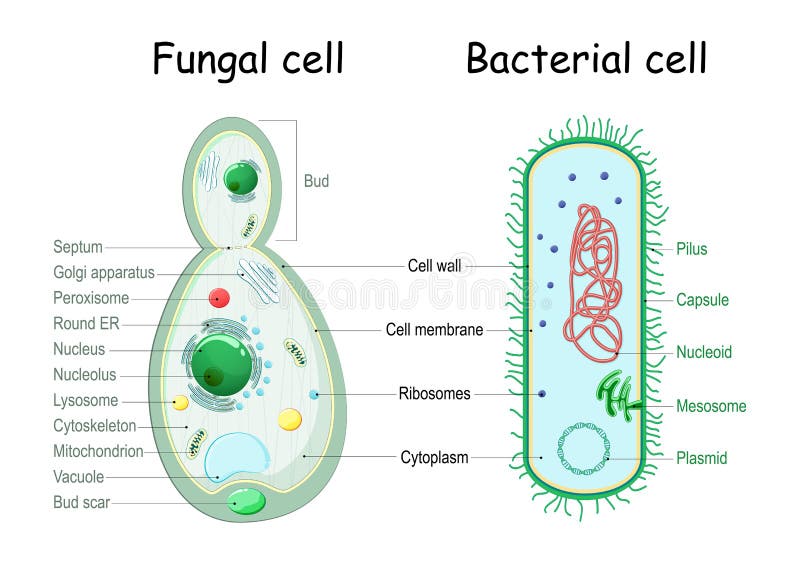
Free with trial Bacteria and fungal yeast. comparison of cell structure. Similarities and differences. cross section and anatomy of cell. Biology Chart. Vector illustration on a white background. detailed diagram for use in education. Similarities vectors Bacteria and fungal yeast. comparison of cell structure. Similarities and differences. cross section and anatomy of cell. Biology Chart. Vector illustration on
Free with trial Beautiful lily in the style of black and white engraving. Many similarities in the profile of the artist. Similarities vectors Beautiful lily in the style of black and white engraving. Many similarities in the profile of the artist
Free with trial Beautiful seamless background of black and white lilies hand-drawn. Many similarities in the profile of the artist. Similarities vectors Seamless background of black and white lilies hand-drawn. Beautiful seamless background of black and white lilies hand-drawn. Many similarities in the profile of. Beautiful seamless background of black and white lilies hand-drawn. Many similarities in the profile of the artist
Free with trial White rose outline with gray spots on a black back. Beautiful white rose outline with gray spots on a black background. Many similarities to the authors profile. Similarities vectors White rose outline with gray spots on a black back. Beautiful white rose outline with gray spots on a black background. Many similarities to the authors profile
Free with trial Black and white floral seamless pattern. Many similarities to the authors profile. Similarities vectors Black and white floral seamless pattern. Many similarities to the authors profile
Free with trial Vector monochrome illustration of pear logo. Many similarities to the author's profile. Similarities vectors Vector monochrome illustration of pear logo. Many similarities to the author's profile
Free with trial Beautiful floral element. Black-and-white flowers and leaves design element. Floral design element in retro style. Many similarities to the author's profile. Similarities vectors Beautiful floral element. Black-and-white flowers and leaves design element. Floral design element in retro style. Many similarities to the author's profile
Free with trial Seamless wedding background with lace flowers. Many similarities in the profile of the artist. Similarities vectors Seamless wedding background with lace flowers. Many similarities in the profile of the artist
Free with trial Black-and-white flowers and leaves design element. Many similarities to the author's profile. Similarities vectors Black-and-white flowers and leaves design element. Many similarities to the author's profile
Free with trial Vector monochrome illustration of grapes logo. Many similarities to the authors profile. Similarities vectors Vector monochrome illustration of grapes logo. Many similarities to the authors profile
Free with trial Black-and-white flowers and leaves design element. Many similarities to the author's profile. Similarities vectors Black-and-white flowers and leaves design element. Many similarities to the author's profile
Free with trial Black-and-white flowers and leaves design element. Many similarities to the author's profile. Similarities vectors Black-and-white flowers and leaves design element. Many similarities to the author's profile
Free with trial Beautiful silhouette of the heart of lace flowers,. Tendrils and leaves. Isolated on white. Many similarities to the authors profile. Similarities vectors Beautiful silhouette of the heart of lace flowers,. Tendrils and leaves. Isolated on white. Many similarities to the authors profile
Free with trial Corner ornamental lace flowers. black and white. Many similarities to the author's profile. Similarities vectors Corner ornamental lace flowers. black and white. Many similarities to the author's profile
Free with trial Black silhouette outline rose, isolated on white. Many similarities in the profile of the artist. Similarities vectors Black silhouette outline rose, isolated on white. Many similarities in the profile of the artist
Free with trial Beautiful black and white butterfly isolated on white. Many similarities to the author's profile. Similarities vectors Beautiful black and white butterfly isolated on white. Many similarities to the author's profile
Free with trial Beautiful floral pattern, a design element in the. Old style. Many similarities to the authors profile. Similarities vectors Beautiful floral pattern, a design element in the. Old style. Many similarities to the authors profile
Free with trial Vector monochrome illustration of raspberry logo. Many similarities to the author's profile. Similarities vectors Vector monochrome illustration of raspberry logo. Many similarities to the author's profile
Free with trial Beautiful floral element. Black-and-white flowers. And leaves design element. Floral design element in retro style. Many similarities to the authors profile. Similarities vectors Beautiful floral element. Black-and-white flowers. And leaves design element. Floral design element in retro style. Many similarities to the authors profile
Free with trial Beautiful teapot, decorated with black and white f. Loral ornament. Many similarities to the authors profile. Similarities vectors Beautiful teapot, decorated with black and white f. Loral ornament. Many similarities to the authors profile
Free with trial Seamless background. Green leaves with a monster o. Utline. Many similarities to the authors profile. Similarities vectors Seamless background. Green leaves with a monster o. Utline. Many similarities to the authors profile
Free with trial Black-and-white symbol of a heart with floral desi. Gn and butterfly. Many similarities to the authors profile. Similarities vectors Black-and-white symbol of a heart with floral desi. Gn and butterfly. Many similarities to the authors profile
Free with trial Black and white outline of an ink pen with a paint. Ed floral design of curves and curls. Many similarities to the authors profile. Similarities vectors Black and white outline of an ink pen with a paint. Ed floral design of curves and curls. Many similarities to the authors profile
Free with trial Silhouette of the heart symbol decorated with flor. Al pattern, a design element in the old style. Many similarities to the authors profile. Similarities vectors Silhouette of the heart symbol decorated with flor. Al pattern, a design element in the old style. Many similarities to the authors profile
Free with trial Vector abstract polygonal background. Many similarities to the author's profile. Similarities vectors Vector abstract polygonal background. Many similarities to the author's profile
Free with trial Beautiful black and white floral pattern design element. Many similarities to the author's profile. Similarities vectors Beautiful black and white floral pattern design element. Many similarities to the author's profile
Free with trial Beautiful black and white apple decorated with floral pattern. Many similarities to the author's profile. Similarities vectors Beautiful black and white apple decorated with floral pattern. Many similarities to the author's profile
Free with trial Beautiful floral element. Black-and-white flowers and leaves design element. Floral design element in retro style. Many similarities to the author's profile. Similarities vectors Beautiful floral element. Black-and-white flowers and leaves design element. Floral design element in retro style. Many similarities to the author's profile
Free with trial Black and white lace flowers and leaves isolated on white. Floral design element in retro style. Many similarities to the author's profile. Similarities vectors Black and white lace flowers and leaves isolated on white. Floral design element in retro style. Many similarities to the author's profile
Free with trial Black and white lace flowers and leaves isolated on white. Floral design element in retro style. Many similarities to the author's profile. Similarities vectors Black and white lace flowers and leaves isolated on white. Floral design element in retro style. Many similarities to the author's profile
Free with trial Black and white lace flowers and leaves isolated on white. Floral design element in retro style. Many similarities to the author's profile. Similarities vectors Black and white lace flowers and leaves isolated on white. Floral design element in retro style. Many similarities to the author's profile
Free with trial Forest animals find differences game. Educational kids games characters, woodland animal and wild forests. Preschool kid similarities seek education game vector cartoon illustration. Similarities vectors Forest animals find differences game. Educational kids games characters, woodland animal and wild forests vector cartoon. Forest animals find differences game. Forest animals find differences game. Educational kids games characters, woodland animal and wild forests. Preschool kid similarities seek education game vector cartoon illustration
Free with trial Banner of help desk, customer service and support concept. Personas represent the similarities of consumer groups or segments. Keywords and editable thin line vector icons two-tone. Similarities vectors Help desk, customer service and support concept - thin line vector icons two-tone. Banner of help desk, customer service and support concept. Personas represent. Banner of help desk, customer service and support concept. Personas represent the similarities of consumer groups or segments. Keywords and editable thin line vector icons two-tone
Free with trial Beautiful gray and white background with flowers made of paper with a place for text. Many similarities to the author's profile. Similarities vectors Beautiful gray and white background with flowers made of paper with a place for text. Many similarities to the author's profile. Many similarities to the
Free with trial Black-and-white bouquet of flowers with leaves and grass. Many similarities in the profile of the artist. Similarities vectors Black-and-white bouquet of flowers with leaves and grass. Many similarities in the profile of the artist
Free with trial Vector monochrome illustration of ink pen logo. Many similarities to the author's profile. Similarities vectors Vector monochrome illustration of ink pen logo. Many similarities to the author's profile
Free with trial Beautiful seamless black-and-white background with lilies, hand-drawn. Many similarities in the profile of the artist. Similarities vectors Beautiful seamless black-and-white background with lilies, hand-drawn. Many similarities in the profile of the artist
Free with trial Set of black and white floral elements. Many similarities in the profile of the artist. Similarities vectors Set of black and white floral elements. Many similarities in the profile of the artist
Free with trial Black-and-white Feather seamless background. Many similarities to the authors profile. Similarities vectors Black-and-white Feather seamless background. Many similarities to the authors profile
Free with trial Black and white floral pattern design element. Many similarities to the author's profile. Similarities vectors Black and white floral pattern design element. Many similarities to the author's profile
Free with trial Black and white lace flowers and leaves isolated on white. Many similarities to the author's profile. Similarities vectors Black and white lace flowers and leaves isolated on white. Many similarities to the author's profile
Free with trial Beautiful black and white butterfly isolated on white. Many similarities to the author's profile. Similarities vectors Beautiful black and white butterfly isolated on white. Many similarities to the author's profile
Free with trial Beautiful black and white butterfly isolated on white. Many similarities to the author's profile. Similarities vectors Beautiful black and white butterfly isolated on white. Many similarities to the author's profile
Free with trial Beautiful sandals, decorated with black and white. Floral ornament. Many similarities to the authors profile. Similarities vectors Beautiful sandals, decorated with black and white. Floral ornament. Many similarities to the authors profile
Free with trial Black and White Christmas ball with a floral desig. N. Many similarities to the authors profile. Similarities vectors Black and White Christmas ball with a floral desig. N. Many similarities to the authors profile
Free with trial Beautiful black and white apple decorated with flo. Ral pattern. Many similarities to the authors profile. Similarities vectors Beautiful black and white apple decorated with flo. Ral pattern. Many similarities to the authors profile
Free with trial Black-and-white floral arrangement in the shape of a circle. Many similarities in the profile of the artist. Similarities vectors Black-and-white floral arrangement in the shape of a circle. Many similarities in the profile of the artist
Free with trial Polyp and medusa. Iilustration of structure similarities and differences between polyp and medusa. Similarities vectors Polyp and medusa. Iilustration of structure similarities and differences between polyp and medusa
Free with trial Corner ornamental lace flowers are decorated in black and white. Many similarities to the author's profile. Similarities vectors Corner ornamental lace flowers are decorated in black and white. Many similarities to the author's profile
Free with trial Beautiful graphic drawing Lily branch with leaves and buds of the flowers. Many similarities to the authors profile. Similarities vectors Beautiful graphic drawing Lily branch with leaves. And buds of the flowers. Many similarities to the authors profile
Free with trial Seamless background. Pink roses with green leaves in the old style. Many similarities to the author's profile. Similarities vectors Seamless background. Pink roses with green leaves in the old style. Many similarities to the author's profile
Free with trial Beautiful seamless background, white and gray outline lily on black. Many similarities to the author's profile. Similarities vectors Beautiful seamless background, white and gray outline lily on black. Many similarities to the author's profile
Free with trial Beautiful abstract black-and-white flower of the lines. Single isolated on white. Many similarities to the author's profile. Similarities vectors Beautiful abstract black-and-white flower of the lines. Single isolated on white. Many similarities to the author's profile
Free with trial Beautiful black and white flower with imitation lace, eyelets, design element. Many similarities in the profile of the artist. Similarities vectors Beautiful black and white flower with imitation lace, eyelets, design element. Many similarities in the profile of the artist
Free with trial Set of Black and White Feather. Many similarities to the authors profile. Similarities vectors Set of Black and White Feather. Many similarities to the authors profile
Free with trial Vector monochrome illustration of pumpkin logo. Many similarities to the authors profile. Similarities vectors Vector monochrome illustration of pumpkin logo. Many similarities to the authors profile
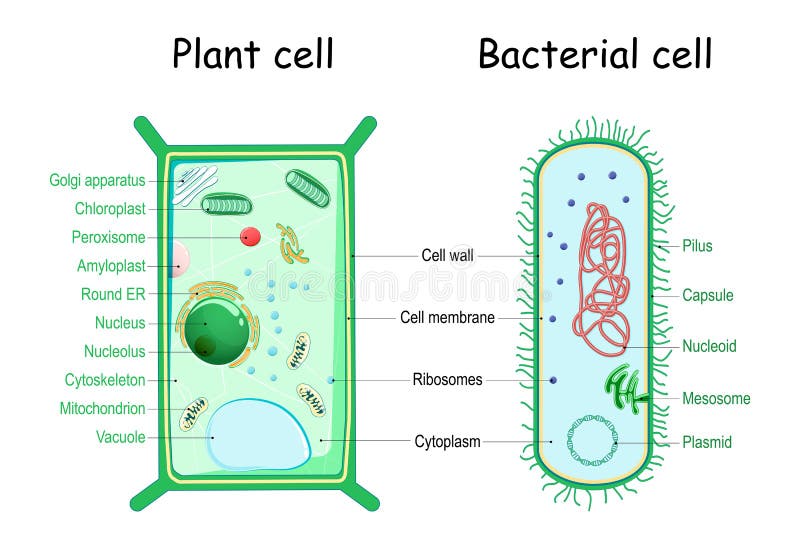
Free with trial Bacteria and plant cell. comparison of cell structure. Similarities and differences. cross section and anatomy of cell. Biology Chart. Vector illustration on a white background. Similarities vectors Bacteria and plant cell. comparison of cell structure. Similarities and differences. cross section and anatomy of cell. Biology Chart. Vector illustration on a
Free with trial Vintage background. Old crumpled paper with leaves Monstera with outline in the corner. Many similarities to the author's profile. Similarities vectors Vintage background. Old crumpled paper with leaves Monstera with outline in the corner. Many similarities to the author's profile
Free with trial Beautiful seamless background of pink roses with a gold outline in vintage style. Many similarities to the authors profile. Similarities vectors Seamless background of pink roses with a gold outl. Beautiful seamless background of pink roses with a gold outline in vintage style. Many similarities to the. Beautiful seamless background of pink roses with a gold outline in vintage style. Many similarities to the authors profile
Free with trial Beautiful seamless background with pink lilies hand-drawing. Many similarities to the author's profile. Similarities vectors Beautiful seamless background with pink lilies hand-drawing. Many similarities to the author's profile
Free with trial Beautiful graphic drawing Lily branch with leaves and buds of the flowers. Many similarities to the authors profile. Similarities vectors Beautiful graphic drawing Lily branch with leaves. And buds of the flowers. Many similarities to the authors profile
Free with trial Vector monochrome illustration of strawberries logo. Many similarities to the author's profile. Similarities vectors Vector monochrome illustration of strawberries logo. Many similarities to the author's profile
Free with trial Black and white lace flowers and leaves isolated on white. Floral design element in retro style. Many similarities to the author's profile. Similarities vectors Black and white lace flowers and leaves isolated on white. Floral design element in retro style. Many similarities to the author's profile
Free with trial Envelope with floral design and hearts, the symbol. Of love confessions. Many similarities to the authors profile. Similarities vectors Envelope with floral design and hearts, the symbol. Of love confessions. Many similarities to the authors profile
Free with trial Beautiful gray and white background with flowers made of paper with a place for text. Many similarities to the author's profile. Similarities vectors Beautiful gray and white background with flowers made of paper with a place for text. Many similarities to the author's profile. Many similarities to the
Free with trial A mountain bike MTB[1] or mountain bicycle is a bicycle designed for off-road cycling. Mountain bikes share some similarities with other bicycles, but incorporate features designed to enhance durability and performance in rough terrain. These typically include a suspension fork, large knobby tires, more durable wheels, more powerful brakes, straight handlebars, lower gear-ratios for climbing steep grades and sometimes rear suspension to really smooth out the trail. [2] Mountain bikes are generally specialized for use on mountain trails, single track, fire roads, and other unpaved surfaces, although perhaps[original research? ] the majority based on `mountain-bike` frames for sale. Mountain biking terrain commonly has rocks, roots, loose dirt, and steep grades. Many trails have additional TTFs Technical Trail Features such as log piles, log rides, rock gardens, skinnies, gap jumps, and wall-rides. Mountain bikes are built to handle these types of terrain and features. The heavy-duty construction combined with stronger rims and wider tires has also made this style of bicycle popular with urban riders and couriers who must navigate through potholes and over curbs. Similarities vectors MTB rider jump sunset in mountains view background flat style illustration vector. A mountain bike MTB[1] or mountain bicycle is a bicycle designed for off-road. A mountain bike MTB[1] or mountain bicycle is a bicycle designed for off-road cycling. Mountain bikes share some similarities with other bicycles, but incorporate features designed to enhance durability and performance in rough terrain. These typically include a suspension fork, large knobby tires, more durable wheels, more powerful brakes, straight handlebars, lower gear-ratios for climbing steep grades and sometimes rear suspension to really smooth out the trail.[2] Mountain bikes are generally specialized for use on mountain trails, single track, fire roads, and other unpaved surfaces, although perhaps[original research?] the majority based on `mountain-bike` frames for sale. Mountain biking terrain commonly has rocks, roots, loose dirt, and steep grades. Many trails have additional TTFs Technical Trail Features such as log piles, log rides, rock gardens, skinnies, gap jumps, and wall-rides. Mountain bikes are built to handle these types of terrain and features. The heavy-duty construction combined with stronger rims and wider tires has also made this style of bicycle popular with urban riders and couriers who must navigate through potholes and over curbs
Free with trial Illustration of sign abstract dual personality, couple in love on a white background. Differences and similarities between man and woman concept. Similarities vectors Sign abstract dual personality, couple in love on a white background.Differences and similarities between man and woman concept. Illustration of sign abstract. Illustration of sign abstract dual personality, couple in love on a white background.Differences and similarities between man and woman concept.
Free with trial Researchers have identified similarities between the effects of ketamine and mindfulness practices with both leading to. Decreased activity in the. AI generated. Similarities vectors Researchers have identified similarities between the effects of ketamine and mindfulness practices with both leading to. Decreased activity in the. AI generated
Free with trial DNA vs RNA comparison. Similarities and Differences. infographic diagram. vector illustration for Educational explanation, and science use. Structural chemical formula of Nucleobases. Genetic engineering. Similarities vectors DNA vs RNA comparison. Similarities and Differences. Infographic diagram. vector illustration for Educational explanation, and science use. Structural chemical
Free with trial Heme and chlorophyll similarities in chemical structure. A plane porphyrin ring with 4 nitrogen atoms, binding an iron atom for the red blood pigment, and a magnesium atom for the green plant pigment. Similarities vectors Heme and chlorophyll, similarities in their chemical structureHeme and chlorophyll similarities in chemical structure. Heme and chlorophyll similarities in. Heme and chlorophyll similarities in chemical structure. A plane porphyrin ring with 4 nitrogen atoms, binding an iron atom for the red blood pigment, and a magnesium atom for the green plant pigment.
Free with trial Beautiful gray and white background with flowers made of paper with a place for text. Many similarities to the author's profile. Similarities vectors Beautiful gray and white background with flowers made of paper with a place for text. Many similarities to the author's profile. Many similarities to the
Free with trial Monocotyledonous plants, also known as monocots, have seeds that contain a single cotyledon or embryonic leaf. Examples of monocots include grasses, lilies, and orchids. On the other hand, dicotyledonous plants, or dicots, have seeds with two cotyledons, such as roses, sunflowers, and oak trees. These cotyledons provide nutrients to the developing embryo until it can photosynthesize on its own. Similarities vectors Dicot seed and Monocot seed: similarities and differences. Monocotyledonous plants, also known as monocots, have seeds that contain a single cotyledon or. Monocotyledonous plants, also known as monocots, have seeds that contain a single cotyledon or embryonic leaf. Examples of monocots include grasses, lilies, and orchids. On the other hand, dicotyledonous plants, or dicots, have seeds with two cotyledons, such as roses, sunflowers, and oak trees. These cotyledons provide nutrients to the developing embryo until it can photosynthesize on its own.
Free with trial The chromosome sets of humans and chimpanzees are similar overall, but there is one key difference. Humans have 46 chromosomes organized into 23 pairs, while chimpanzees have 48 chromosomes organized into 24 pairs. The main distinguishing factor is chromosome 2, which exists as two separate chromosomes (2A and 2B) in chimpanzees, but has fused into a single chromosome in humans. Similarities vectors Comparison of Human and Chimpanzee Karyotypes: similarities and differences. The chromosome sets of humans and chimpanzees are similar overall, but there is one. The chromosome sets of humans and chimpanzees are similar overall, but there is one key difference. Humans have 46 chromosomes organized into 23 pairs, while chimpanzees have 48 chromosomes organized into 24 pairs. The main distinguishing factor is chromosome 2, which exists as two separate chromosomes (2A and 2B) in chimpanzees, but has fused into a single chromosome in humans.
 Sign in