Free with trial Spiracles, vintage illustration. Spiracles on their exoskeletons to allow air to enter, vintage line drawing or engraving illustration. Spiracles vectors Spiracles, vintage illustration. Spiracles on their exoskeletons to allow air to enter, vintage line drawing or engraving illustration
Free with trial This high-resolution biological asset features a social group of six mature larvae of the Elephant Hawk-Moth (Deilephila elpenor) arranged in various curved and naturalistic postures. The illustration meticulously renders the species' distinctive defensive morphology, highlighting the swollen anterior segments that can be retracted to mimic a snake's head. Exceptional attention is paid to the anatomical accuracy of the realistic "eyespots" on the abdominal segments and the striking pattern of black and orange-yellow markings against a pale, olive-green base. The asset provides a sharp view of the granular skin texture, the row of dark spiracles along the sides, and the small, reddish-pink "horns" at the posterior of each individual. This professional-grade cutout is an essential resource for entomology studies, lepidoptera life cycle modeling, and high-end digital nature illustration. Spiracles vectors Elephant Hawk-Moth Caterpillar Group, High-Fidelity Deilephila elpenor Asset, Transparent Background. This high-resolution biological asset features a social. This high-resolution biological asset features a social group of six mature larvae of the Elephant Hawk-Moth (Deilephila elpenor) arranged in various curved and naturalistic postures. The illustration meticulously renders the species' distinctive defensive morphology, highlighting the swollen anterior segments that can be retracted to mimic a snake's head. Exceptional attention is paid to the anatomical accuracy of the realistic "eyespots" on the abdominal segments and the striking pattern of black and orange-yellow markings against a pale, olive-green base. The asset provides a sharp view of the granular skin texture, the row of dark spiracles along the sides, and the small, reddish-pink "horns" at the posterior of each individual. This professional-grade cutout is an essential resource for entomology studies, lepidoptera life cycle modeling, and high-end digital nature illustration.
Free with trial This high-resolution biological asset features a mature caterpillar of the Elephant Hawk-Moth (Deilephila elpenor) in a lateral crawling posture. The illustration meticulously renders the species' distinctive defensive morphology, particularly the swollen anterior segments that mimic a snake's head. Exceptional attention is paid to the anatomical accuracy of the large, realistic eyespots on the first and second abdominal segments and the striking pattern of white-centered black spots (spiracles) along the length of the body. The asset provides a sharp view of the granular, olive-green skin texture, the fleshy prolegs, and the small, dark "horn" at the posterior. This professional-grade cutout is an essential resource for entomology studies, lepidoptera life cycle modeling, and high-end digital nature illustration. Spiracles vectors Elephant Hawk-Moth Caterpillar, High-Fidelity Deilephila elpenor Asset, Transparent Background. This high-resolution biological asset features a mature. This high-resolution biological asset features a mature caterpillar of the Elephant Hawk-Moth (Deilephila elpenor) in a lateral crawling posture. The illustration meticulously renders the species' distinctive defensive morphology, particularly the swollen anterior segments that mimic a snake's head. Exceptional attention is paid to the anatomical accuracy of the large, realistic eyespots on the first and second abdominal segments and the striking pattern of white-centered black spots (spiracles) along the length of the body. The asset provides a sharp view of the granular, olive-green skin texture, the fleshy prolegs, and the small, dark "horn" at the posterior. This professional-grade cutout is an essential resource for entomology studies, lepidoptera life cycle modeling, and high-end digital nature illustration.
Free with trial This high-resolution biological asset features a late-instar larva of the Elephant Hawk-Moth (Deilephila elpenor) in a lateral crawling posture. The illustration meticulously renders the species' characteristic defensive morphology, highlighting the swollen anterior segments that resemble a mammalian trunk. Exceptional attention is paid to the anatomical accuracy of the two pairs of large, realistic "eyespots" on the first and second abdominal segments, which serve as a startle display against predators. The asset provides a sharp view of the granular skin texture, the row of dark spiracles along the side, and the distinctive reddish-pink "horn" at the posterior. This professional-grade cutout is an essential resource for entomology studies, lepidoptera life cycle modeling, and high-end digital nature illustration. Spiracles vectors Elephant Hawk-Moth Caterpillar, High-Fidelity Deilephila elpenor Asset, Transparent Background. This high-resolution biological asset features a late-instar. This high-resolution biological asset features a late-instar larva of the Elephant Hawk-Moth (Deilephila elpenor) in a lateral crawling posture. The illustration meticulously renders the species' characteristic defensive morphology, highlighting the swollen anterior segments that resemble a mammalian trunk. Exceptional attention is paid to the anatomical accuracy of the two pairs of large, realistic "eyespots" on the first and second abdominal segments, which serve as a startle display against predators. The asset provides a sharp view of the granular skin texture, the row of dark spiracles along the side, and the distinctive reddish-pink "horn" at the posterior. This professional-grade cutout is an essential resource for entomology studies, lepidoptera life cycle modeling, and high-end digital nature illustration.
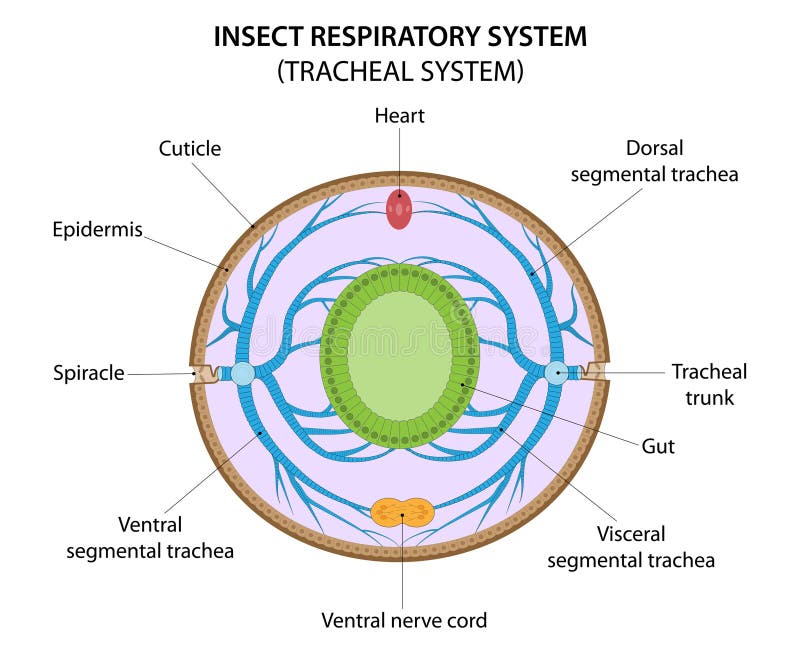
Free with trial Insects possess a unique respiratory system known as tracheal system. This system consists of a network of tiny tubes called tracheae that extend throughout their body. The tracheae deliver oxygen directly to the cells, allowing insects to bypass the need for lungs or respiratory organs. The openings of these tracheal tubes, called spiracles, are typically located on the sides of the insect's body and can be opened or closed to regulate gas exchange. Spiracles vectors Insect respiratory system (tracheal system). Cross section through the abdomen illustrating of the tracheation. Insects possess a unique respiratory system. Insects possess a unique respiratory system known as tracheal system. This system consists of a network of tiny tubes called tracheae that extend throughout their body. The tracheae deliver oxygen directly to the cells, allowing insects to bypass the need for lungs or respiratory organs. The openings of these tracheal tubes, called spiracles, are typically located on the sides of the insect's body and can be opened or closed to regulate gas exchange.
Free with trial Pattern jumping grasshopper hand drawn. herbivore metamorphosis, nymph camouflage, swarming locust jumping grasshopper vector sketch illustration. Spiracles vectors Pattern jumping grasshopper sketch hand drawn. Pattern jumping grasshopper hand drawn. herbivore metamorphosis, nymph camouflage, swarming locust jumping. pattern jumping grasshopper hand drawn. herbivore metamorphosis, nymph camouflage, swarming locust jumping grasshopper vector sketch illustration
Free with trial Seamless pattern orthoptera grasshopper hand drawn. antennae jumping, herbivore metamorphosis, nymph camouflage orthoptera grasshopper black sketch illustration. Spiracles vectors Seamless pattern orthoptera grasshopper sketch hand drawn. Seamless pattern orthoptera grasshopper hand drawn. antennae jumping, herbivore metamorphosis, nymph. seamless pattern orthoptera grasshopper hand drawn. antennae jumping, herbivore metamorphosis, nymph camouflage orthoptera grasshopper black sketch illustration
Free with trial Pattern insect grasshopper hand drawn. orthoptera antennae, jumping herbivore, metamorphosis nymph insect grasshopper vector sketch illustration. Spiracles vectors Pattern insect grasshopper sketch hand drawn. Pattern insect grasshopper hand drawn. orthoptera antennae, jumping herbivore, metamorphosis nymph insect. pattern insect grasshopper hand drawn. orthoptera antennae, jumping herbivore, metamorphosis nymph insect grasshopper vector sketch illustration
Free with trial Pattern herbivore grasshopper hand drawn. metamorphosis nymph, camouflage swarming, locust chirping herbivore grasshopper vector sketch illustration. Spiracles vectors Pattern herbivore grasshopper sketch hand drawn. Pattern herbivore grasshopper hand drawn. metamorphosis nymph, camouflage swarming, locust chirping herbivore. pattern herbivore grasshopper hand drawn. metamorphosis nymph, camouflage swarming, locust chirping herbivore grasshopper vector sketch illustration
Free with trial A precise, high-resolution illustration of a single Common Skate (Dipturus batis), depicted from a dorsal perspective. This asset highlights the specialized physiological adaptations of cartilaginous fish, most notably the dorsoventrally flattened, rhombic body and the expansive, wing-like pectoral fins that form a rigid, angular disc. The rendering showcases the textured, brownish-tan dorsal skin with subtle mottling and a distinct midline ridge. The depiction captures the prominent eyes and large spiracles located on the head, which are critical for oxygenating the gills while the specimen is stationary on the benthos. The thick, muscular tail extends posteriorly, featuring small dorsal fins toward the tip, characteristic of the Rajidae family. Isolated on a transparent grid background, this biological specimen is a premier resource for marine biology research, ichthyology education, and digital media focusing on cold-water benthic ocean life and elasmobranch biodiversity. Spiracles vectors Common Skate Specimen, High-Fidelity Rajiform Asset, Transparent Background. A precise, high-resolution illustration of a single Common Skate (Dipturus batis). A precise, high-resolution illustration of a single Common Skate (Dipturus batis), depicted from a dorsal perspective. This asset highlights the specialized physiological adaptations of cartilaginous fish, most notably the dorsoventrally flattened, rhombic body and the expansive, wing-like pectoral fins that form a rigid, angular disc. The rendering showcases the textured, brownish-tan dorsal skin with subtle mottling and a distinct midline ridge. The depiction captures the prominent eyes and large spiracles located on the head, which are critical for oxygenating the gills while the specimen is stationary on the benthos. The thick, muscular tail extends posteriorly, featuring small dorsal fins toward the tip, characteristic of the Rajidae family. Isolated on a transparent grid background, this biological specimen is a premier resource for marine biology research, ichthyology education, and digital media focusing on cold-water benthic ocean life and elasmobranch biodiversity.
Free with trial A precise, high-resolution illustration of a single Common Stingray (Dasyatis pastinaca), depicted from a dorsal perspective. This asset highlights the specialized physiological adaptations of cartilaginous fish, most notably the dorsoventrally flattened body and the broad, diamond-shaped pectoral fins that form a unified "disc. " The rendering showcases the smooth, olive-toned dorsal skin and the strikingly long, whip-like tail which houses a defensive serrated sting. The depiction captures the prominent spiracles behind the eyes, essential for respiration while resting on the sandy seafloor. Isolated on a transparent grid background, this biological specimen is a premier resource for marine biology research, ichthyology education, and digital media focusing on benthic ocean life and elasmobranch biodiversity. Spiracles vectors Common Stingray Specimen, High-Fidelity Myliobatiform Asset, Transparent Background. A precise, high-resolution illustration of a single Common Stingray (. A precise, high-resolution illustration of a single Common Stingray (Dasyatis pastinaca), depicted from a dorsal perspective. This asset highlights the specialized physiological adaptations of cartilaginous fish, most notably the dorsoventrally flattened body and the broad, diamond-shaped pectoral fins that form a unified "disc." The rendering showcases the smooth, olive-toned dorsal skin and the strikingly long, whip-like tail which houses a defensive serrated sting. The depiction captures the prominent spiracles behind the eyes, essential for respiration while resting on the sandy seafloor. Isolated on a transparent grid background, this biological specimen is a premier resource for marine biology research, ichthyology education, and digital media focusing on benthic ocean life and elasmobranch biodiversity.
Free with trial Bluespotted Ribbontail Ray (Taeniura lymma). PNG with transparent background and vibrant blue spots. Spiracles vectors Bluespotted Ribbontail Ray (Taeniura lymma). PNG with transparent background and vibrant blue spots
Free with trial This high-resolution biological asset features a mature larva of the Elephant Hawk-Moth (Deilephila elpenor) in a lateral crawling posture. The illustration meticulously renders the species' characteristic defensive morphology, specifically the swollen anterior segments that can be retracted to mimic a snake's head. Exceptional attention is paid to the anatomical accuracy of the four large, realistic "eyespots" on the first and second abdominal segments—a primary deterrent against avian predators. The asset provides a sharp view of the granular, olive-brown skin texture, the row of dark spiracles (respiratory openings) along the side, and the small, dark "horn" at the posterior. This professional-grade cutout is an essential resource for entomology studies, lepidoptera life cycle modeling, and high-end digital nature illustration. Spiracles vectors Elephant Hawk-Moth Caterpillar, High-Fidelity Deilephila elpenor Asset, Transparent Background. This high-resolution biological asset features a mature larva of. This high-resolution biological asset features a mature larva of the Elephant Hawk-Moth (Deilephila elpenor) in a lateral crawling posture. The illustration meticulously renders the species' characteristic defensive morphology, specifically the swollen anterior segments that can be retracted to mimic a snake's head. Exceptional attention is paid to the anatomical accuracy of the four large, realistic "eyespots" on the first and second abdominal segments—a primary deterrent against avian predators. The asset provides a sharp view of the granular, olive-brown skin texture, the row of dark spiracles (respiratory openings) along the side, and the small, dark "horn" at the posterior. This professional-grade cutout is an essential resource for entomology studies, lepidoptera life cycle modeling, and high-end digital nature illustration.
Free with trial This high-resolution biological asset features a mature larva of the Elephant Hawk-Moth (Deilephila elpenor) in a lateral crawling posture. The illustration meticulously renders the species' characteristic defensive morphology, specifically the swollen anterior segments that can be retracted to mimic a snake's head. Exceptional attention is paid to the anatomical accuracy of the four large, realistic "eyespots" on the first and second abdominal segments—a primary deterrent against avian predators. The asset provides a sharp view of the granular, olive-brown skin texture, the row of dark spiracles (respiratory openings) along the side, and the small, dark "horn" at the posterior. This professional-grade cutout is an essential resource for entomology studies, lepidoptera life cycle modeling, and high-end digital nature illustration. Spiracles vectors Elephant Hawk-Moth Caterpillar, High-Fidelity Deilephila elpenor Asset, Transparent Background. This high-resolution biological asset features a mature larva of. This high-resolution biological asset features a mature larva of the Elephant Hawk-Moth (Deilephila elpenor) in a lateral crawling posture. The illustration meticulously renders the species' characteristic defensive morphology, specifically the swollen anterior segments that can be retracted to mimic a snake's head. Exceptional attention is paid to the anatomical accuracy of the four large, realistic "eyespots" on the first and second abdominal segments—a primary deterrent against avian predators. The asset provides a sharp view of the granular, olive-brown skin texture, the row of dark spiracles (respiratory openings) along the side, and the small, dark "horn" at the posterior. This professional-grade cutout is an essential resource for entomology studies, lepidoptera life cycle modeling, and high-end digital nature illustration.
Free with trial This high-resolution biological asset features a mature larva of the Elephant Hawk-Moth (Deilephila elpenor) in a lateral crawling posture. The illustration meticulously renders the species' characteristic defensive morphology, specifically the swollen anterior segments that can be retracted to mimic a snake's head. Exceptional attention is paid to the anatomical accuracy of the four large, realistic "eyespots" on the first and second abdominal segments—a primary deterrent against avian predators. The asset provides a sharp view of the granular, olive-brown skin texture, the row of dark spiracles (respiratory openings) along the side, and the small, dark "horn" at the posterior. This professional-grade cutout is an essential resource for entomology studies, lepidoptera life cycle modeling, and high-end digital nature illustration. Spiracles vectors Elephant Hawk-Moth Caterpillar, High-Fidelity Deilephila elpenor Asset, Transparent Background. This high-resolution biological asset features a mature larva of. This high-resolution biological asset features a mature larva of the Elephant Hawk-Moth (Deilephila elpenor) in a lateral crawling posture. The illustration meticulously renders the species' characteristic defensive morphology, specifically the swollen anterior segments that can be retracted to mimic a snake's head. Exceptional attention is paid to the anatomical accuracy of the four large, realistic "eyespots" on the first and second abdominal segments—a primary deterrent against avian predators. The asset provides a sharp view of the granular, olive-brown skin texture, the row of dark spiracles (respiratory openings) along the side, and the small, dark "horn" at the posterior. This professional-grade cutout is an essential resource for entomology studies, lepidoptera life cycle modeling, and high-end digital nature illustration.
Free with trial Vector illustration sign symbol icon of a honey comb and wax with bees. Spiracles vectors Honey comb wax bees background. Vector illustration sign symbol icon of a honey comb and wax with bees. Vector illustration sign symbol icon of a honey comb and wax with bees.
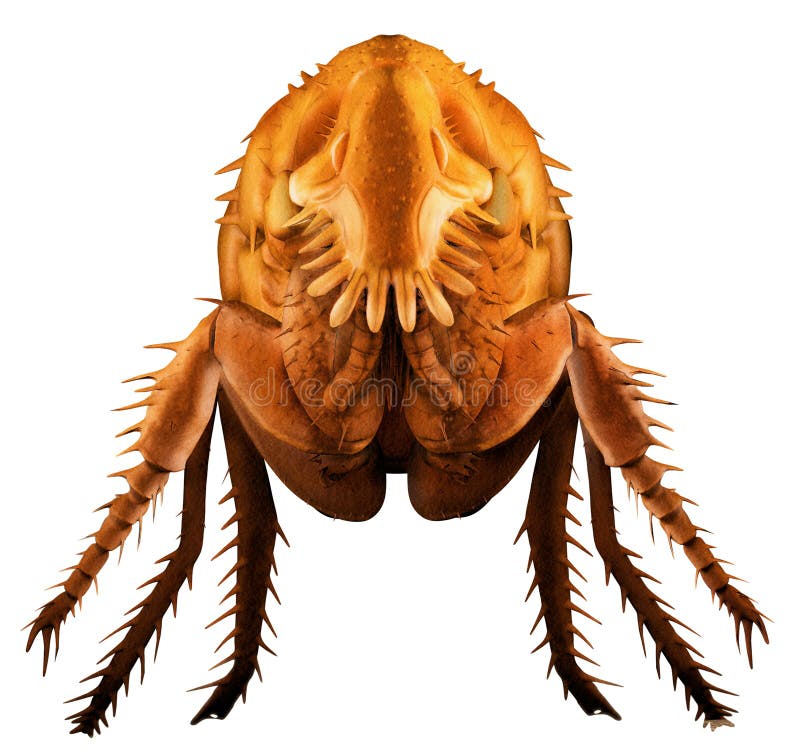
Free with trial 3D illustration of a detailed flea: SEM Electron Microscope Replica in orange colour and white background. Spiracles vectors 3D illustration of a detailed flea on SEM scanning electron microscope, transparent background. 3D illustration of a detailed flea: SEM Electron Microscope. 3D illustration of a detailed flea: SEM Electron Microscope Replica in orange colour and white background
 Sign in