Free with trial Young woman trying to enter subway train car full of people. Overcrowded underground or metro. Problem of city overpopulation and urban transportation. Flat cartoon colorful vector illustration. Squeeze tight vectors Young woman trying to enter subway train car full of people. Overcrowded underground or metro. Problem of city. Overpopulation and urban transportation. Flat. Young woman trying to enter subway train car full of people. Overcrowded underground or metro. Problem of city overpopulation and urban transportation. Flat cartoon colorful vector illustration
Free with trial Steel spring. Vector illustration on white background. Squeeze tight vectors Steel spring. Vector illustration on white background
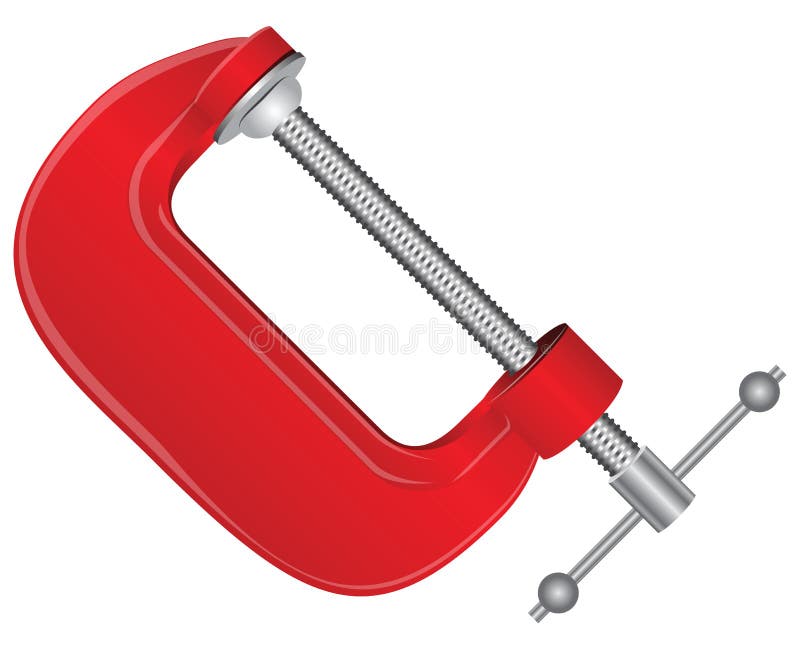
Free with trial Large clamp compression tool. Conceptual vector. Illustration. Squeeze tight vectors Large clamp compression tool. Conceptual vector. Illustration
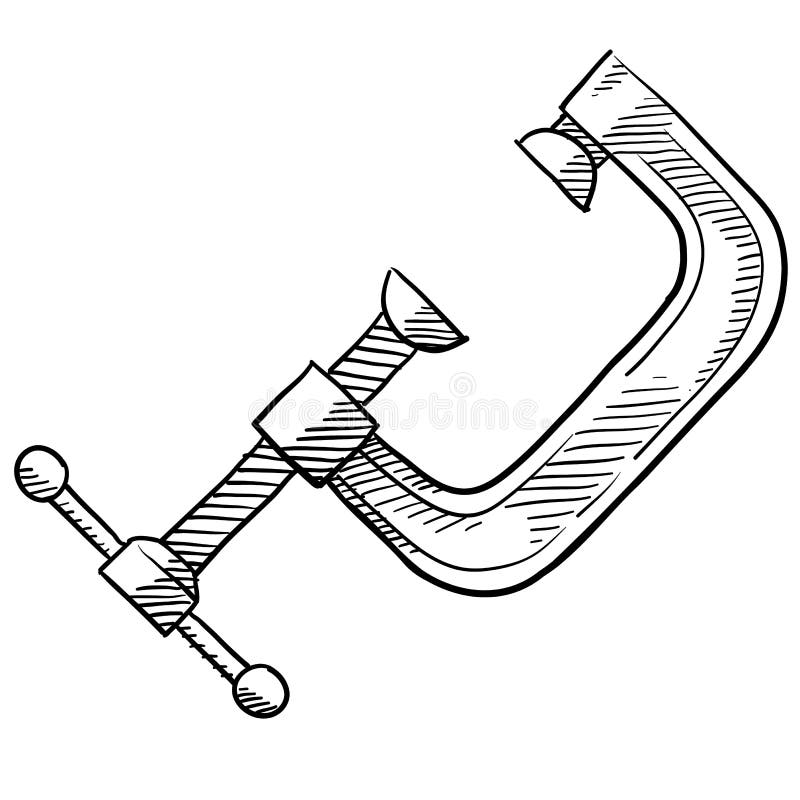
Free with trial Doodle style C Clamp for woodworking or carpentry illustration in vector format suitable for web, print, or advertising use. Squeeze tight vectors C Clamp tool sketch. Doodle style C Clamp for woodworking or carpentry illustration in vector format suitable for web, print, or advertising use. Doodle style C Clamp for woodworking or carpentry illustration in vector format suitable for web, print, or advertising use.
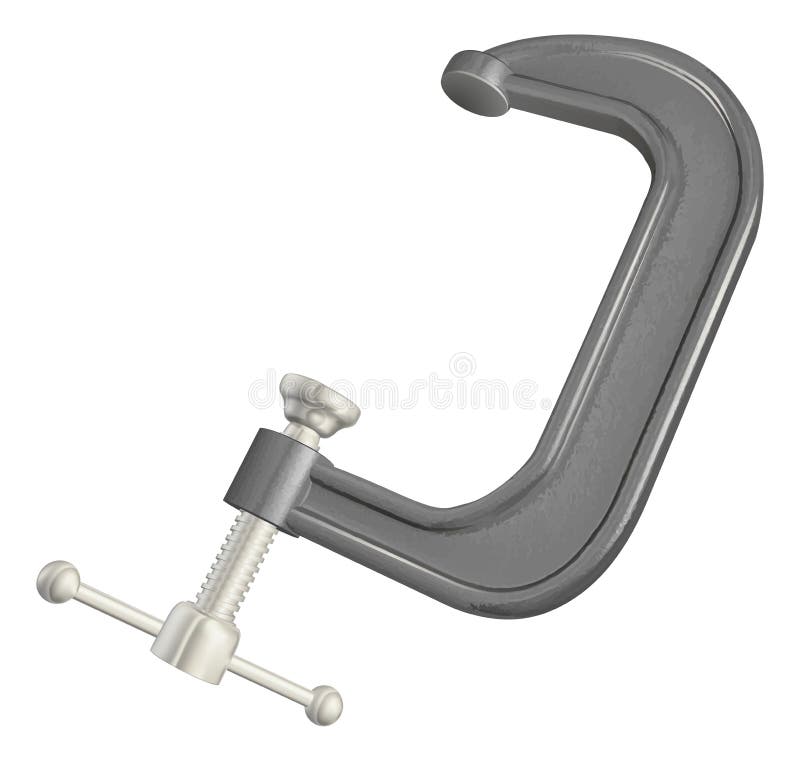
Free with trial Metal C or G clamp. An illustration of a metal C or G clamp tool. Squeeze tight vectors Metal C or G clamp. An illustration of a metal C or G clamp tool
Free with trial The squeeze on a twenty dollar bill. Squeeze tight vectors The squeeze on a twenty. Dollar bill
Free with trial Hands squeeze the word Budget. Concept of planning of economy, regulation of income and expenses. Vector illustration in flat style. Squeeze tight vectors Hands squeeze. The word Budget.Concept of planning of economy, regulation of income and expenses.Vector illustration in flat style
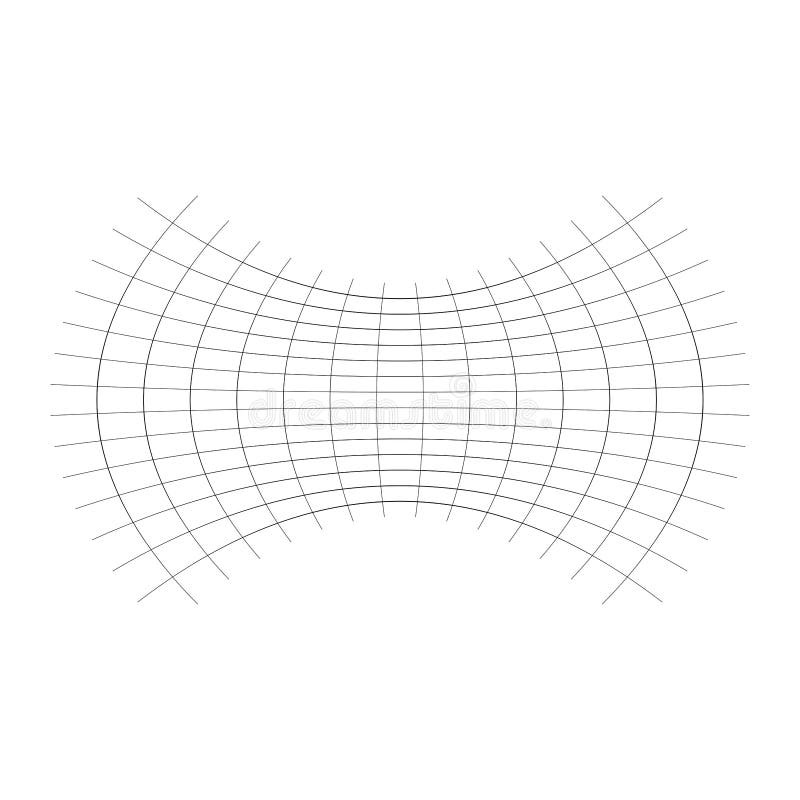
Free with trial Geometric shape with oblate, squeeze, flattened effect. distorted, condensed grid, mesh. pressure, clench deform effect applied to array of intersecting lines. abstract squished, hollow, flexed horizontal, wide graphical element - Royalty free vector illustration. Squeeze tight vectors Geometric shape with oblate, squeeze, flattened effect. distorted, condensed grid, mesh. pressure, clench deform effect applied to. Array of intersecting lines. Geometric shape with oblate, squeeze, flattened effect. distorted, condensed grid, mesh. pressure, clench deform effect applied to array of intersecting lines. abstract squished, hollow, flexed horizontal, wide graphical element - Royalty free vector illustration
Free with trial Dollar sign in clamp concept. Conceptual illustration of a dollar sign in a C or G clamp. Squeeze tight vectors Dollar sign in clamp concept. Conceptual illustration of a dollar sign in a C or G clamp
Free with trial Clamps. Five clamps cramps vice woodworking tools. Squeeze tight vectors Clamps. Five clamps cramps vice woodworking tools
Free with trial Hand in fist, grip, or punch position, fingers wrapped tightly, simple but sharp vector illustration in full color, black and white, and isolated for easy editing. Squeeze tight vectors Fist Hand Vector Illustration in Color and Black and White. Hand in fist, grip, or punch position, fingers wrapped tightly, simple but sharp vector illustration. Hand in fist, grip, or punch position, fingers wrapped tightly, simple but sharp vector illustration in full color, black and white, and isolated for easy editing
Free with trial Conceptual illustration of a percentage sign in a C or G clamp. Being squeezed by high interest rates or keeping down rates or getting a bargain, a lot of possible uses. Squeeze tight vectors Percentage sign in clamp concept. Conceptual illustration of a percentage sign in a C or G clamp. Being squeezed by high interest rates or keeping down rates or. Conceptual illustration of a percentage sign in a C or G clamp. Being squeezed by high interest rates or keeping down rates or getting a bargain, a lot of possible uses.
Free with trial Clamp compression tool. Isolated on blue background. Vector silhouettes. Squeeze tight vectors Clamp compression tool. Isolated on blue background. Vector silhouettes
Free with trial Pound sign in clamp concept. Conceptual illustration of a pound sign in a C or G clamp. Squeeze tight vectors Pound sign in clamp concept. Conceptual illustration of a pound sign in a C or G clamp
Free with trial People go into subway train. Public urban transportation, metro platform, passengers trying to enter underground wagon. Vector overcrowded transport concept. Squeeze tight vectors People go into subway train. Public urban transportation, metro platform, passengers trying to enter underground wagon. Vector overcrowded transport concept
Free with trial The fat ball is trying to get in the basketball basket. Squeeze tight vectors The fat ball. Is trying to get in the basketball basket
Free with trial Large clamp compression tool. Conceptual vector illustration. Squeeze tight vectors Large clamp compression tool. Conceptual vector illustration
Free with trial Subway car crowded with people in rush hour. Woman failed to enter last carriage of departing train and standing on platform. Overcrowded underground or metro. Colored flat vector illustration. Squeeze tight vectors Subway car crowded with people in rush hour. Woman failed to enter last carriage of departing train and standing on. Platform. Overcrowded underground or metro. Subway car crowded with people in rush hour. Woman failed to enter last carriage of departing train and standing on platform. Overcrowded underground or metro. Colored flat vector illustration.
Free with trial Stick figure human people man action, feelings, and emotions icons alphabet W. Squeeze tight vectors Stick figure human people man action verbs icons alphabet W. Stick figure human people man action, feelings, and emotions icons alphabet W. Stick figure human people man action, feelings, and emotions icons alphabet W.
Free with trial Clamp for industrial use. Accessories. Vector illustration. Squeeze tight vectors Clamp. For industrial use. Accessories. Vector illustration
Free with trial Face Squeeze. Cartoon of face being squeezed in hand over white background. Squeeze tight vectors Face Squeeze. Cartoon of face being squeezed in hand over white background
Free with trial Isometric Piggy Bank Squeezed by A Tighten Belt. Money Management and Financial Crisis Concept. Squeeze tight vectors Isometric Piggy Bank Squeezed by A Tighten Belt. Flat 3d Isometric Piggy Bank Squeezed by A Tighten Belt. Money Management and Financial Crisis Concept
Free with trial Clamp icon. Trendy modern flat linear vector clamp icon on white background from thin line Industry collection, outline vector illustration. Squeeze tight vectors Clamp icon from Industry collection. Clamp icon. Trendy modern flat linear vector clamp icon on white background from thin line Industry collection, outline. clamp icon. Trendy modern flat linear vector clamp icon on white background from thin line Industry collection, outline vector illustration
Free with trial Initial Letter E with Arrow logo design vector. Investment initial identity logo design template. Growth Up logo design vector. Squeeze tight vectors Initial Letter A with Arrow logo design vector. Investment initial identity logo design template. Growth Up logo vector. Initial Letter E with Arrow logo design. Initial Letter E with Arrow logo design vector. Investment initial identity logo design template. Growth Up logo design vector
Free with trial Black Clamp and screw tool icon isolated on white background. Locksmith tool. Set icons colorful. Vector. Squeeze tight vectors Black Clamp and screw tool icon isolated on white background. Locksmith tool. Set icons colorful. Vector.
Free with trial A collection of financial squeeze and budget constraint icons presented in three distinct graphic styles: minimalist line-art, solid silhouette, and dual-tone color (cyan and navy blue). Each icon conceptually illustrates a folded wallet squeezed tightly inside a G-clamp or vise tool. Symbolizes financial pressure, cost-cutting, tight budgets, economic recession, inflation impact, debt crisis, money compression, and expense control. Ideal for financial news articles, budget planning apps, economic reports, personal finance blogs, and UI UX design assets. Squeeze tight vectors Financial Squeeze and Budget Pressures Icon Design Variations Vector Set. A collection of financial squeeze and budget constraint icons presented in three. A collection of financial squeeze and budget constraint icons presented in three distinct graphic styles: minimalist line-art, solid silhouette, and dual-tone color (cyan and navy blue). Each icon conceptually illustrates a folded wallet squeezed tightly inside a G-clamp or vise tool. Symbolizes financial pressure, cost-cutting, tight budgets, economic recession, inflation impact, debt crisis, money compression, and expense control. Ideal for financial news articles, budget planning apps, economic reports, personal finance blogs, and UI UX design assets.
Free with trial The maze becomes increasingly narrow forcing the individual to squeeze through the tight spaces as they navigate through stressinducing obstacles.. Vector illustration. Squeeze tight vectors The maze becomes increasingly narrow forcing the individual to squeeze through the tight spaces as they navigate through. Stressinducing obstacles.. Vector
Free with trial 3D Isometric Flat Vector Illustration of Tight Budget, Shrinking Economy, Understanding Their Impact On Financial Health. Squeeze tight vectors 3D Isometric Flat Vector Illustration of Tight Budget. Shrinking Economy, Understanding Their Impact On Financial Health
Free with trial Compress line icon with two curved lines and arrows pointing inward, squeeze, tighten symbol isolated on white backgroun. D, vecto. Squeeze tight vectors Compress line icon with two curved lines and arrows pointing inward, squeeze, tighten symbol isolated on white backgroun. D, vecto
Free with trial Dollar coin caught in a powerful blue vice depicting the concept of financial difficulty, economic squeeze, and rising inflation. Squeeze tight vectors Blue vice gripping a dollar coin, illustrating financial difficulty, economic squeeze, and rising inflation. Dollar coin caught in a powerful blue vice depicting. Dollar coin caught in a powerful blue vice depicting the concept of financial difficulty, economic squeeze, and rising inflation
Free with trial This image was created using Generative AI. Illustration of brain being squeezed in a tight cylinder representing mental health. Squeeze tight vectors Brain squeezed in cylinder mental health concept tight space. This image was created using Generative AI. Illustration of brain being squeezed in a tight. This image was created using Generative AI. Illustration of brain being squeezed in a tight cylinder representing mental health
Free with trial Stylized graphic of a finger with a tight ring, emitting sparks, conveying discomfort or injury in a modern flat design. Squeeze tight vectors A finger with an overly tight ring causing discomfort and sparks, presented as a stylized graphic. Stylized graphic of a finger with a tight ring, emitting. Stylized graphic of a finger with a tight ring, emitting sparks, conveying discomfort or injury in a modern flat design.
Free with trial Plastic bottle holds vivid hue. Top sealed tight, nozzle loops back. Looks ready for dispensing tasks. Squeeze tight vectors Bright yellow squeeze bottle with white cap and nozzle on plain setting. Plastic bottle holds vivid hue. Top sealed tight, nozzle loops back. Looks ready for. Plastic bottle holds vivid hue. Top sealed tight, nozzle loops back. Looks ready for dispensing tasks
Free with trial Plastic bottle holds vivid hue. Top sealed tight, nozzle loops back. Looks ready for dispensing tasks. Squeeze tight vectors Bright yellow squeeze bottle with white cap and nozzle on plain setting. Plastic bottle holds vivid hue. Top sealed tight, nozzle loops back. Looks ready for. Plastic bottle holds vivid hue. Top sealed tight, nozzle loops back. Looks ready for dispensing tasks
Free with trial Hand forming a tight pinch with thumb and finger, bold outline and exaggerated proportions in cartoon style. Symbol of small amount, precision, scale, or measurement. Cartoon vector illustration. Squeeze tight vectors Hand Pinching Gesture Doodle. Hand forming a tight pinch with thumb and finger, bold outline and exaggerated proportions in cartoon style. Symbol of small amount. Hand forming a tight pinch with thumb and finger, bold outline and exaggerated proportions in cartoon style. Symbol of small amount, precision, scale, or measurement. Cartoon vector illustration.
Free with trial Leg vice glyph seamless pattern. Leg vice vector glyph seamless pattern leg vice sign illustration. Squeeze tight vectors Leg vice glyph seamless pattern. Leg vice vector glyph seamless pattern leg vice sign illustration
Free with trial Bench vice line seamless pattern. Bench vice vector line seamless pattern bench vice sign illustration. Squeeze tight vectors Bench vice line seamless pattern. Bench vice vector line seamless pattern bench vice sign illustration
Free with trial C clamp color icon vector diversity. C clamp color icon vector. c clamp sign. isolated diversity symbol. Squeeze tight vectors C clamp color icon vector diversity. C clamp color icon vector. c clamp sign. isolated diversity symbol
Free with trial Hand screw clamp glyph seamless pattern. Hand screw clamp vector glyph seamless pattern hand screw clamp sign illustration. Squeeze tight vectors Hand screw clamp glyph seamless pattern. Hand screw clamp vector glyph seamless pattern hand screw clamp sign illustration
Free with trial Swivel base bench vice color icon series vector. swivel base bench vice sign. isolated symbol series. Squeeze tight vectors Swivel base bench vice color icon series vector. Swivel base bench vice color icon vector. swivel base bench vice sign. isolated symbol series
Free with trial Swivel base bench vice line vector seamless pattern. Swivel base bench vice line seamless pattern swivel base bench vice thin line illustration. Squeeze tight vectors Swivel base bench vice line vector seamless pattern. Swivel base bench vice line seamless pattern swivel base bench vice thin line illustration
Free with trial Budget tightening concept with a stack of cash restricted by a leather belt. Symbolizes financial austerity and savings. Squeeze tight vectors Budget Tightening Money Stack with Leather Belt Illustration. Budget tightening concept with a stack of cash restricted by a leather belt. Symbolizes financial. Budget tightening concept with a stack of cash restricted by a leather belt. Symbolizes financial austerity and savings
Free with trial Candlestick chart thumbnail displaying tight range followed by sudden upward breakout supported by dominant bullish candles and directional movement. Squeeze tight vectors Bullish Breakout After Range Compression. Candlestick chart thumbnail displaying tight range followed by sudden upward breakout supported by dominant bullish. Candlestick chart thumbnail displaying tight range followed by sudden upward breakout supported by dominant bullish candles and directional movement.
Free with trial Minimalist Squeezed Dollar Sign Financial Deflation Budget Cut Icon. Squeeze tight vectors Black and white icon showing dollar sign being compressed between two opposing arrows representing budget reduction, economic. Minimalist Squeezed Dollar Sign. Minimalist Squeezed Dollar Sign Financial Deflation Budget Cut Icon
Free with trial A conceptual illustration depicting an ancient abacus being squeezed in a clamp, symbolizing financial pressure, budget cuts, and economic strain. Squeeze tight vectors Financial Pressure Concept with Abacus in Vise. A conceptual illustration depicting an ancient abacus being squeezed in a clamp, symbolizing financial pressure. A conceptual illustration depicting an ancient abacus being squeezed in a clamp, symbolizing financial pressure, budget cuts, and economic strain
Free with trial Detailed engraved illustration of a clenched fist, symbolizing power, resistance, solidarity, and the fight for justice and equality. High-resolution vector graphic. Squeeze tight vectors Engraved Fist Illustration - Symbol of Power, Resistance, and Solidarity. Detailed engraved illustration of a clenched fist, symbolizing power, resistance. Detailed engraved illustration of a clenched fist, symbolizing power, resistance, solidarity, and the fight for justice and equality. High-resolution vector graphic
Free with trial Black and white illustration of Clamp. Black and white flat icon vector of Clamp. Squeeze tight vectors Black and white illustration of Clamp. Black and white flat icon vector of Clamp
Free with trial Transparent plastic squeeze bottle with spout. Clear plastic bottle with dispensing spout for liquids on white background. Squeeze tight vectors Transparent plastic squeeze bottle with spout. Clear plastic bottle with dispensing spout for liquids on white background
Free with trial Isometric vice with a dollar coin clamped. Work tool. Crisis concept. Vector illustration. Outline objects isolated on white background. Squeeze tight vectors Isometric vice with a dollar coin clamped. Work tool. Crisis concept. Outline objects isolated on white background. Isometric vice with a dollar coin clamped. Isometric vice with a dollar coin clamped. Work tool. Crisis concept. Vector illustration. Outline objects isolated on white background.
Free with trial A pair of red handled pliers isolated on a transparent background. The pliers have a silver metal body and bright red handles. They appear to be a high-quality tool, suitable for heavy-duty use in a workshop or factory setting. The transparent background allows for easy use in various design and engineering contexts. Squeeze tight vectors A pair of red handled pliers on transparent background. A pair of red handled pliers isolated on a transparent background. The pliers have a silver metal body. A pair of red handled pliers isolated on a transparent background. The pliers have a silver metal body and bright red handles. They appear to be a high-quality tool, suitable for heavy-duty use in a workshop or factory setting. The transparent background allows for easy use in various design and engineering contexts.
Free with trial A detailed of a sturdy black clamp tool featuring serrated gripping jaws, ideal for industrial or craft projects. Squeeze tight vectors Black clamp tool with serrated grip on white background. A detailed of a sturdy black clamp tool featuring serrated gripping jaws, ideal for industrial or craft. A detailed of a sturdy black clamp tool featuring serrated gripping jaws, ideal for industrial or craft projects
Free with trial Vector of a worried businessman in a suit holding his head while being squeezed in a large vise, standing on a cracked October coin with money falling from pockets. Surrounded by rising red arrows, bar charts, stacks of coins and bills, and icons for housing, cars and groceries. Concept of inflation, cost of living crisis, financial pressure and economic downturn. Ideal for finance articles, economic reports, budgeting and recession content. Squeeze tight vectors Stressed Businessman Squeezed by Rising Inflation Costs. Vector of a worried businessman in a suit holding his head while being squeezed in a large vise. Vector of a worried businessman in a suit holding his head while being squeezed in a large vise, standing on a cracked October coin with money falling from pockets. Surrounded by rising red arrows, bar charts, stacks of coins and bills, and icons for housing, cars and groceries. Concept of inflation, cost of living crisis, financial pressure and economic downturn. Ideal for finance articles, economic reports, budgeting and recession content.
Free with trial Vector of a stressed businessman sitting at a desk holding his head while a large metal clamp squeezes him, symbolizing financial pressure. Surrounding boxes labeled fuel costs, supplies, utilities, wages and costs with red upward arrows and rising price tags. Holding calculator with bills. Concept of inflation, overhead, budget crisis. Ideal for articles on economy, small business struggles, accounting, and cost management. Squeeze tight vectors Stressed Businessman Squeezed by Rising Business Costs. Vector of a stressed businessman sitting at a desk holding his head while a large metal clamp squeezes. Vector of a stressed businessman sitting at a desk holding his head while a large metal clamp squeezes him, symbolizing financial pressure. Surrounding boxes labeled fuel costs, supplies, utilities, wages and costs with red upward arrows and rising price tags. Holding calculator with bills. Concept of inflation, overhead, budget crisis. Ideal for articles on economy, small business struggles, accounting, and cost management.
Free with trial Functional solid icons of gripping and holding tools perfect for clamps pliers and mechanical handling visual concepts. Squeeze tight vectors Clamp plier icons solid glyph set for gripping holding devices. Functional solid icons of gripping and holding tools perfect for clamps pliers and mechanical. functional solid icons of gripping and holding tools perfect for clamps pliers and mechanical handling visual concepts
Free with trial Functional outline icons of gripping and holding tools perfect for clamps pliers and mechanical handling related visual content. Squeeze tight vectors Clamping tools outline icons for gripping holding and tightening devices. Functional outline icons of gripping and holding tools perfect for clamps pliers and. functional outline icons of gripping and holding tools perfect for clamps pliers and mechanical handling related visual content
Free with trial Octopuses have soft, gelatinous bodies with eight long tentacles lined with suckers, which they use for grasping, manipulating objects, and capturing prey. They lack a skeleton, allowing them to squeeze through tight spaces and contort their bodies into various shapes. Octopuses come in a range of colors and patterns, and they can rapidly change their appearance to blend in with their surroundings or communicate with other octopuses. Squeeze tight vectors Octopass. Octopuses have soft, gelatinous bodies with eight long tentacles lined with suckers, which they use for grasping, manipulating objects, and capturing. Octopuses have soft, gelatinous bodies with eight long tentacles lined with suckers, which they use for grasping, manipulating objects, and capturing prey. They lack a skeleton, allowing them to squeeze through tight spaces and contort their bodies into various shapes. Octopuses come in a range of colors and patterns, and they can rapidly change their appearance to blend in with their surroundings or communicate with other octopuses.
Free with trial The image shows a simple, rectangular container filled with a purple liquid. The container has a yellow cap on the top and a matching yellow handle on one side, suggesting it is designed for easy pouring and carrying. It appears to be made of a sturdy plastic material, suitable for holding paint, chemicals, or other liquids. Squeeze tight vectors Purple container with yellow cap and handle for liquid storage or paint. The image shows a simple, rectangular container filled with a purple liquid. The. The image shows a simple, rectangular container filled with a purple liquid. The container has a yellow cap on the top and a matching yellow handle on one side, suggesting it is designed for easy pouring and carrying. It appears to be made of a sturdy plastic material, suitable for holding paint, chemicals, or other liquids
Free with trial One line art Quick Grips Clamp tool vector illustration. line art, one continuous line, simple, hand drawn and sketch style. for icons, symbols, signs or logos. Squeeze tight vectors One line art Quick Grips Clamp tool vector illustration. Line art, one continuous line, simple, hand drawn and sketch style. for icons, symbols, signs or logos
Free with trial Dollar arrow and Money arrow logo design vector. Investment with arrow logo design template. Growth Up logo vector. Money logo design icon. Squeeze tight vectors Dollar arrow and Money arrow logo vector. Investment with arrow logo design template. Growth Up logo vector. Money logo design. Dollar arrow and Money arrow logo. Dollar arrow and Money arrow logo design vector. Investment with arrow logo design template. Growth Up logo vector. Money logo design icon
Free with trial Drill vice icon color illustration. Drill vice line icon vector. drill vice sign. isolated symbol illustration. Squeeze tight vectors Drill vice icon color illustration. Drill vice line icon vector. drill vice sign. isolated symbol illustration
Free with trial Money Investment with arrow logo design template. Growth Up logo design vector. Money logo design icon. Squeeze tight vectors Money Investment with arrow logo design template. Growth Up logo vector. Money logo design icon. Money Investment with arrow logo design template. Growth Up logo. Money Investment with arrow logo design template. Growth Up logo design vector. Money logo design icon
Free with trial Money Investment with arrow and Plant coin logo design template. Growth Up logo design vector. Money logo design icon. Squeeze tight vectors Money Investment with arrow and Plant coin logo design template. Growth Up logo vector. Money logo design icon. Money Investment with arrow and Plant coin logo. Money Investment with arrow and Plant coin logo design template. Growth Up logo design vector. Money logo design icon
Free with trial Initial Letter G with Arrow Up logo design vector. Investment initial identity logo design template. Growth Up logo design vector. Squeeze tight vectors Initial Letter G with Arrow Up logo design vector. Investment initial identity logo design template. Growth Up logo vector. Initial Letter G with Arrow Up logo. Initial Letter G with Arrow Up logo design vector. Investment initial identity logo design template. Growth Up logo design vector
Free with trial Initial Letter H with Arrow up logo design vector. Investment initial identity logo design template. Growth Up logo design vector. Squeeze tight vectors Initial Letter H with Arrow up logo design vector. Investment initial identity logo design template. Growth Up logo vector. Initial Letter H with Arrow up logo. Initial Letter H with Arrow up logo design vector. Investment initial identity logo design template. Growth Up logo design vector
Free with trial The image shows a bright yellow plastic container with a black cap and a handle. The container is designed for holding liquids and has a small circular indentation near the top. Squeeze tight vectors A bright yellow plastic container with a black cap and a handle. isolated on transparent background. The image shows a bright yellow plastic container with a. The image shows a bright yellow plastic container with a black cap and a handle. The container is designed for holding liquids and has a small circular indentation near the top
Free with trial C clamp icon color illustration. C clamp line icon vector. c clamp sign. isolated symbol illustration. Squeeze tight vectors C clamp icon color illustration. C clamp line icon vector. c clamp sign. isolated symbol illustration
Free with trial Initial Letter d with Statistic Arrow logo design vector. Investment initial identity logo design template. Growth Up logo design vector. Squeeze tight vectors Initial Letter d with Statistic Arrow logo design vector. Investment initial identity logo design template. Growth Up logo vector. Initial Letter d with. Initial Letter d with Statistic Arrow logo design vector. Investment initial identity logo design template. Growth Up logo design vector
Free with trial Parallel clamp icon color illustration. Parallel clamp line icon vector. parallel clamp sign. isolated symbol illustration. Squeeze tight vectors Parallel clamp icon color illustration. Parallel clamp line icon vector. parallel clamp sign. isolated symbol illustration
Free with trial Initial Letter C with Arrow and digital dot logo design vector. Investment initial identity logo design template. Growth Up logo. Design vector. Squeeze tight vectors Initial Letter C with Arrow and digital dot logo design vector. Investment initial identity logo design template. Growth Up logo. Design vector
Free with trial Initial Letter B with Statistic tech and Arrow logo design vector. Investment initial identity logo design template. Growth Up. Logo design vector. Squeeze tight vectors Initial Letter B with Statistic tech and Arrow logo design vector. Investment initial identity logo design template. Growth Up. Logo design vector
Free with trial Swivel base bench vice icon color illustration. Swivel base bench vice line icon vector. swivel base bench vice sign. isolated symbol illustration. Squeeze tight vectors Swivel base bench vice icon color illustration. Swivel base bench vice line icon vector. swivel base bench vice sign. isolated symbol illustration
Free with trial A person is holding a soft and absorbent blue sponge firmly in their hand, ready to use it for cleaning or absorbing liquid spills. Squeeze tight vectors A person is firmly holding a blue sponge in their hand at the moment. A person is holding a soft and absorbent blue sponge firmly in their hand, ready to use it. A person is holding a soft and absorbent blue sponge firmly in their hand, ready to use it for cleaning or absorbing liquid spills
Free with trial Bench vice icon color illustration. Bench vice line icon vector. bench vice sign. isolated symbol illustration. Squeeze tight vectors Bench vice icon color illustration. Bench vice line icon vector. bench vice sign. isolated symbol illustration
Free with trial Chain vice icon color illustration. Chain vice line icon vector. chain vice sign. isolated symbol illustration. Squeeze tight vectors Chain vice icon color illustration. Chain vice line icon vector. chain vice sign. isolated symbol illustration
Free with trial Clamp vice grip tool metal doodle icons set vector. sketch line art equipment vise, steel screw, construction hold, industry compress, industrial hold clamp vice grip tool metal color illustrations. Squeeze tight vectors Clamp vice grip tool metal icon hand drawn. Clamp vice grip tool metal doodle icons set vector. sketch line art equipment vise, steel screw, construction hold. clamp vice grip tool metal doodle icons set vector. sketch line art equipment vise, steel screw, construction hold, industry compress, industrial hold clamp vice grip tool metal color illustrations
Free with trial C clamp line icon vector illustration. C clamp line icon vector. c clamp sign. isolated contour symbol black illustration. Squeeze tight vectors C clamp line icon vector illustration. C clamp line icon vector. c clamp sign. isolated contour symbol black illustration
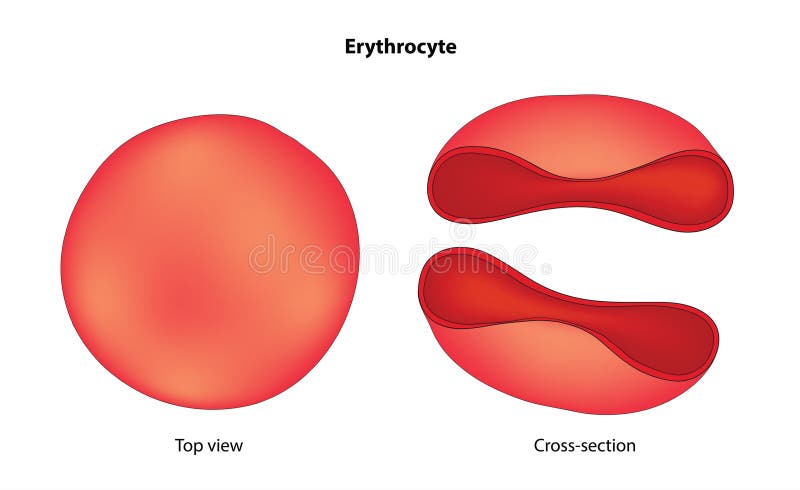
Free with trial The red blood cell, or erythrocyte, is a marvel of biological engineering, boasting a unique shape optimized for its vital role in oxygen transport throughout the body. Its structure is elegantly designed to maximize efficiency in gas exchange while navigating the intricate network of blood vessels. In a top view, the red blood cell presents itself as a disc-like structure, resembling a miniature, slightly deflated beach ball. This circular shape, however, is not uniform rather, it bears a characteristic depression at its center on both sides, giving rise to a biconcave disc shape. This biconcave configuration is not arbitrary it serves a crucial purpose in the erythrocyte's function. The biconcave shape of the red blood cell is instrumental in facilitating gas exchange, particularly the diffusion of oxygen and carbon dioxide across the cell membrane. By maximizing surface area while minimizing volume, this shape enhances the erythrocyte's ability to absorb and release gases efficiently. As blood flows through the narrowest of vessels, such as capillaries, this shape allows the red blood cell to deform and squeeze through tight spaces, ensuring unimpeded circulation and delivery of oxygen to tissues. In a cross-sectional view, the red blood cell reveals its true elegance. Viewed from the side, it appears as a thin disc, its edges slightly thicker than the center. The characteristic dimple or concavity on both sides is readily apparent, contributing to its biconcave morphology. This central depression not only increases the cell's surface area but also imparts flexibility, allowing it to undergo deformations as it traverses the microvasculature. The dimensions of the red blood cell are strikingly precise. With a typical diameter ranging from 6 to 8 micrometers and a thickness of approximately 2 micrometers, its proportions are finely tuned to balance surface area and volume. This delicate equilibrium ensures optimal oxygen-carrying capacity while preserving the cell's ability to navigate the complex labyrinth of blood vessels with ease. Squeeze tight vectors Shapes of Red Blood cell. The red blood cell, or erythrocyte, is a marvel of biological engineering, boasting a unique shape optimized for its vital role in. The red blood cell, or erythrocyte, is a marvel of biological engineering, boasting a unique shape optimized for its vital role in oxygen transport throughout the body. Its structure is elegantly designed to maximize efficiency in gas exchange while navigating the intricate network of blood vessels. In a top view, the red blood cell presents itself as a disc-like structure, resembling a miniature, slightly deflated beach ball. This circular shape, however, is not uniform rather, it bears a characteristic depression at its center on both sides, giving rise to a biconcave disc shape. This biconcave configuration is not arbitrary it serves a crucial purpose in the erythrocyte's function. The biconcave shape of the red blood cell is instrumental in facilitating gas exchange, particularly the diffusion of oxygen and carbon dioxide across the cell membrane. By maximizing surface area while minimizing volume, this shape enhances the erythrocyte's ability to absorb and release gases efficiently. As blood flows through the narrowest of vessels, such as capillaries, this shape allows the red blood cell to deform and squeeze through tight spaces, ensuring unimpeded circulation and delivery of oxygen to tissues. In a cross-sectional view, the red blood cell reveals its true elegance. Viewed from the side, it appears as a thin disc, its edges slightly thicker than the center. The characteristic dimple or concavity on both sides is readily apparent, contributing to its biconcave morphology. This central depression not only increases the cell's surface area but also imparts flexibility, allowing it to undergo deformations as it traverses the microvasculature. The dimensions of the red blood cell are strikingly precise. With a typical diameter ranging from 6 to 8 micrometers and a thickness of approximately 2 micrometers, its proportions are finely tuned to balance surface area and volume. This delicate equilibrium ensures optimal oxygen-carrying capacity while preserving the cell's ability to navigate the complex labyrinth of blood vessels with ease.
Free with trial Cabinetry clamp line icon vector illustration. Cabinetry clamp line icon vector. cabinetry clamp sign. isolated contour symbol black illustration. Squeeze tight vectors Cabinetry clamp line icon vector illustration. Cabinetry clamp line icon vector. cabinetry clamp sign. isolated contour symbol black illustration
Free with trial Initial Letter F with Arrow logo design vector. Investment initial identity logo design template. Growth Up logo design vector. Squeeze tight vectors Initial Letter A with Arrow logo design vector. Investment initial identity logo design template. Growth Up logo vector. Initial Letter F with Arrow logo design. Initial Letter F with Arrow logo design vector. Investment initial identity logo design template. Growth Up logo design vector
Free with trial Initial Letter A with Arrow logo design vector. Investment initial identity logo design template. Growth Up logo design vector. Squeeze tight vectors Initial Letter A with Arrow logo design vector. Investment initial identity logo design template. Growth Up logo vector. Initial Letter A with Arrow logo design. Initial Letter A with Arrow logo design vector. Investment initial identity logo design template. Growth Up logo design vector
 Sign in