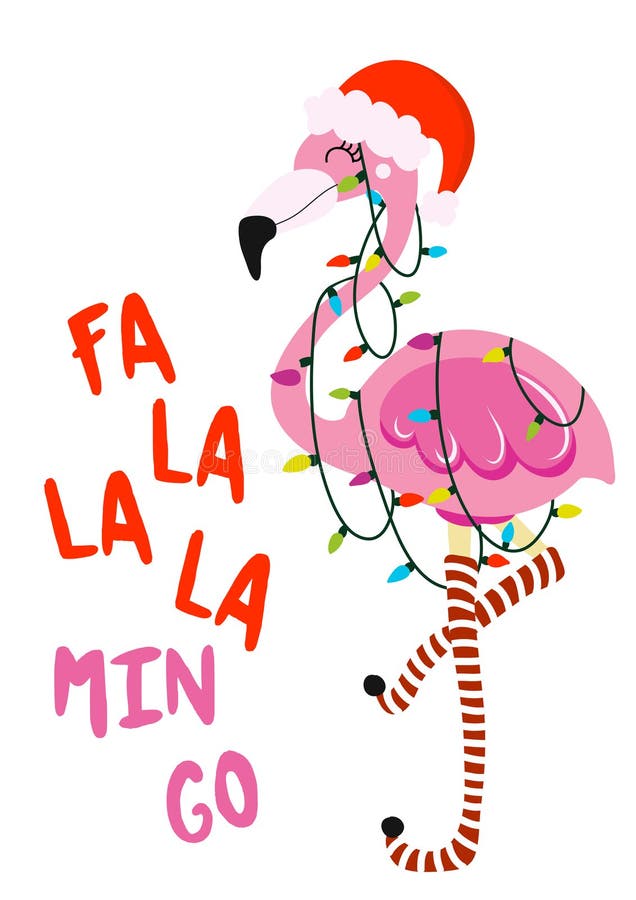
Free with trial Fa la la la min go - Calligraphy phrase for Christmas with cute flamingo girl. Hand drawn lettering for Xmas greetings cards, invitations. Good for t-shirt, mug, scrap booking, gift. T min vectors Fa la la la min go - Calligraphy phrase for Christmas. With cute flamingo girl. Hand drawn lettering for Xmas greetings cards, invitations. Good for t-shirt. Fa la la la min go - Calligraphy phrase for Christmas with cute flamingo girl. Hand drawn lettering for Xmas greetings cards, invitations. Good for t-shirt, mug, scrap booking, gift.
Free with trial Fa la la la min go - Calligraphy phrase for Christmas with cute flamingo girl. Hand drawn lettering for Xmas greetings cards, invitations. Good for t-shirt, mug, scrap booking, gift. T min vectors Fa la la la min go - Calligraphy phrase for Christmas. With cute flamingo girl. Hand drawn lettering for Xmas greetings cards, invitations. Good for t-shirt. Fa la la la min go - Calligraphy phrase for Christmas with cute flamingo girl. Hand drawn lettering for Xmas greetings cards, invitations. Good for t-shirt, mug, scrap booking, gift.
Free with trial A space shuttle launch is a breathtaking event involving multiple stages of engineering and physics. Here's an overview of the key aspects:Phases of a Space Shuttle LaunchCountdown & IgnitionThe shuttle is fueled with liquid hydrogen and liquid oxygen. The solid rocket boosters (SRBs) and main engines ignite simultaneously. Liftoff (T-0)The shuttle overcomes Earth's gravity with 7 million pounds of thrust. The SRBs provide most of the initial thrust. Booster Separation (~2 min after launch)The SRBs burn out and separate, falling into the ocean for recovery and reuse. Main Engine Cutoff (MECO) (~8. 5 min after launch)The external fuel tank detaches and burns up in the atmosphere. The shuttle's onboard Orbital Maneuvering System (OMS) engines adjust its path. Orbit & Mission OperationsThe shuttle reaches orbit (~28,000 km h). Astronauts conduct scientific research, satellite deployments, or space station missions. Reentry & LandingThe shuttle deorbits and reenters Earth's atmosphere. It glides like an aircraft and lands on a runway. Famous Space Shuttle MissionsColumbia (1981–2003): First shuttle to fly in space. Challenger (1983–1986): Tragically lost in 1986. Discovery (1984–2011): Carried the Hubble Telescope. Atlantis (1985–2011): Last shuttle mission (STS-135). Endeavour (1992–2011): Built to replace Challenger. Would you like details on a specific launch or a famous shuttle mission. T min vectors Space shuttle launch. A space shuttle launch is a breathtaking event involving multiple stages of engineering and physics. Here's an overview of the key aspects. A space shuttle launch is a breathtaking event involving multiple stages of engineering and physics. Here's an overview of the key aspects:Phases of a Space Shuttle LaunchCountdown & IgnitionThe shuttle is fueled with liquid hydrogen and liquid oxygen.The solid rocket boosters (SRBs) and main engines ignite simultaneously.Liftoff (T-0)The shuttle overcomes Earth's gravity with 7 million pounds of thrust.The SRBs provide most of the initial thrust.Booster Separation (~2 min after launch)The SRBs burn out and separate, falling into the ocean for recovery and reuse.Main Engine Cutoff (MECO) (~8.5 min after launch)The external fuel tank detaches and burns up in the atmosphere.The shuttle's onboard Orbital Maneuvering System (OMS) engines adjust its path.Orbit & Mission OperationsThe shuttle reaches orbit (~28,000 km h).Astronauts conduct scientific research, satellite deployments, or space station missions.Reentry & LandingThe shuttle deorbits and reenters Earth's atmosphere.It glides like an aircraft and lands on a runway.Famous Space Shuttle MissionsColumbia (1981–2003): First shuttle to fly in space.Challenger (1983–1986): Tragically lost in 1986.Discovery (1984–2011): Carried the Hubble Telescope.Atlantis (1985–2011): Last shuttle mission (STS-135).Endeavour (1992–2011): Built to replace Challenger.Would you like details on a specific launch or a famous shuttle mission
Free with trial Average Colors abstract illustration MIN t - Down/On. Illustration of Averaged Colors abstraction from MIN t - Down/On. T min vectors Average Colors abstract illustration MIN t - Down/On. Illustration of Averaged Colors abstraction from MIN t - Down/On
Free with trial Average Colors abstract illustration MIN t - Down/On. Illustration of Averaged Colors abstraction from MIN t - Down/On. T min vectors Average Colors abstract illustration MIN t - Down/On. Illustration of Averaged Colors abstraction from MIN t - Down/On
Free with trial Average Colors abstract illustration MIN t - Down/On. Illustration of Averaged Colors abstraction from MIN t - Down/On. T min vectors Average Colors abstract illustration MIN t - Down/On. Illustration of Averaged Colors abstraction from MIN t - Down/On
Free with trial Average Colors abstract illustration MIN t - Down/On. Illustration of Averaged Colors abstraction from MIN t - Down/On. T min vectors Average Colors abstract illustration MIN t - Down/On. Illustration of Averaged Colors abstraction from MIN t - Down/On
Free with trial Average Colors abstract illustration MIN t - Down/On. Illustration of Averaged Colors abstraction from MIN t - Down/On. T min vectors Average Colors abstract illustration MIN t - Down/On. Illustration of Averaged Colors abstraction from MIN t - Down/On
Free with trial Average Colors abstract illustration MIN t - Down/On. Illustration of Averaged Colors abstraction from MIN t - Down/On. T min vectors Average Colors abstract illustration MIN t - Down/On. Illustration of Averaged Colors abstraction from MIN t - Down/On
Free with trial Volume icon. Simple style music festival poster background symbol. Volume brand logo design element. Volume t-shirt printing. vector for sticker. T min vectors Volume icon. Simple style music festival poster background symbol. Volume brand logo design element. Volume t-shirt printing. Vector for sticker
Free with trial Work home, Reward and T-shirt design line icons pack. 3d phone mockups with bell alert. Glass smartphone screen. Timer, Deflation, Trade chart web icon. Winner podium, Receive file pictogram. Vector. T min vectors Work home, Reward and T-shirt design line icons pack. For web app. 3d phone mockups. Vector. Work home, Reward and T-shirt design line icons pack. 3d phone. Work home, Reward and T-shirt design line icons pack. 3d phone mockups with bell alert. Glass smartphone screen. Timer, Deflation, Trade chart web icon. Winner podium, Receive file pictogram. Vector
Free with trial Best for company logo, illustrations, sticker and t shirt design. T min vectors Japan small car pick up truck illustration logo vector. Best for company logo, illustrations, sticker and t shirt design. Best for company logo, illustrations, sticker and t shirt design.
Free with trial Max vector outline icon isolated on transparent background, high quality linear Max transparency concept can be used web and mobile. T min vectors Max vector icon isolated on transparent background, linear Max t. Max vector outline icon isolated on transparent background, high quality linear Max. Max vector outline icon isolated on transparent background, high quality linear Max transparency concept can be used web and mobile
Free with trial Implementation, mass, scale, scales, volume Flat Business Logo t. Emplate. Creative Green Brand Name Design. T min vectors Implementation, mass, scale, scales, volume Flat Business Logo t. Emplate. Creative Green Brand Name Design
 Sign in