Free with trial Cortisol Functions. Cortisol is released in response to stress and low blood-glucose concentration. To secrete vectors Cortisol Functions. Cortisol is released in response to stress and low blood-glucose concentration
Free with trial Hormone cortisol and human organs. main functions cortisol in the body. It is hormone Released in response to stress and low blood-glucose concentration. To secrete vectors Hormone cortisol and human organs. Main functions cortisol in the body. It is hormone Released in response to stress and low blood-glucose concentration
Free with trial Cortisol hormone. functions in the body. It is hormone Released in response to stress and low blood-glucose concentration. Human endocrine system. vector diagram for medical, educational and scientific use. To secrete vectors Cortisol hormone. Human endocrine system. Cortisol hormone. functions in the body. It is hormone Released in response to stress and low blood-glucose. Cortisol hormone. functions in the body. It is hormone Released in response to stress and low blood-glucose concentration. Human endocrine system. vector diagram for medical, educational and scientific use
Free with trial Hormones of adrenal gland and human organs that respond to hormones. cortisol, androgen, adrenaline, noradrenaline, and estrogens. Vector illustration for medical, education and science use. To secrete vectors Hormones of adrenal gland and human organs that respond to hormones. Cortisol, androgen, adrenaline, noradrenaline, and estrogens. Vector illustration for
Free with trial Stress response system. fight-or-flight response is a physiological reaction that occurs in response to threat to life. vector diagram for medical, educational and scientific use. To secrete vectors Stress response system. Fight-or-flight response is a physiological reaction that occurs in response to threat to life. vector diagram for medical, educational
Free with trial Illustration explain the origin of exosomes (also called microvesicles, epididimosomes, argosomes, exosome-like vesicles, microparticles, promininosomes, prostasomes, dexosomes, texosomes, dex, tex, archeosomes and oncosomes). To secrete vectors Exosomes. Illustration explain the origin of exosomes (also called microvesicles, epididimosomes, argosomes, exosome-like vesicles, microparticles. Illustration explain the origin of exosomes (also called microvesicles, epididimosomes, argosomes, exosome-like vesicles, microparticles, promininosomes, prostasomes, dexosomes, texosomes, dex, tex, archeosomes and oncosomes)
Free with trial The role of cortisol in the body. It is hormone Released in response to stress and low blood-glucose concentration. Human endocrine system. vector diagram for medical, educational, science use. To secrete vectors Cortisol in the body. The role of cortisol in the body. It is hormone Released in response to stress and low blood-glucose concentration. Human endocrine system. The role of cortisol in the body. It is hormone Released in response to stress and low blood-glucose concentration. Human endocrine system. vector diagram for medical, educational, science use
Free with trial Metaphor function of stomach to secrete acid and enzymes that di. Gest food vector illustration sketch hand drawn with black lines, isolated on white background. To secrete vectors Metaphor function of stomach to secrete acid and enzymes that di. Gest food vector illustration sketch hand drawn with black lines, isolated on white background
Free with trial Insulin resistance infographic. Relationship between leptin resistance, visceral fat expansion, impaired glucose uptake, and hyperinsulinemia. From blood glucose spikes to cellular starvation. Understanding the cycle of insulin and leptin resistance. Vector illustration. Medical diagram. To secrete vectors Insulin resistance infographic. From blood glucose spikes to cellular starvation. Understanding the cycle of insulin and leptin. Insulin resistance infographic. Insulin resistance infographic. Relationship between leptin resistance, visceral fat expansion, impaired glucose uptake, and hyperinsulinemia. From blood glucose spikes to cellular starvation. Understanding the cycle of insulin and leptin resistance. Vector illustration. Medical diagram
Free with trial Adult moths fly well when it is warm, and females lay up to 100 small, translucent eggs in food or on packaging. The eggs hatch into tiny larvae that feed and grow quite quickly. As the larvae grow, they secrete silken webs that can stick to the food. The larvae produce feces in the form of small, grainy pellets called weevils. When fully grown, the larvae are up to 15 mm long. They can pierce paper and cardboard packaging to reach the outside, and then often migrate upwards in search of a place to pupate. Once they find a crack or crevice, they spin a silken cocoon. After one or two weeks, the adult emerges from the cocoon, flies around, and mates to start the cycle over again. To secrete vectors Illustration of Indian meal moth. Adult moths fly well when it is warm, and females lay up to 100 small, translucent eggs in food or on packaging. The eggs hatch. Adult moths fly well when it is warm, and females lay up to 100 small, translucent eggs in food or on packaging. The eggs hatch into tiny larvae that feed and grow quite quickly. As the larvae grow, they secrete silken webs that can stick to the food. The larvae produce feces in the form of small, grainy pellets called weevils. When fully grown, the larvae are up to 15 mm long. They can pierce paper and cardboard packaging to reach the outside, and then often migrate upwards in search of a place to pupate. Once they find a crack or crevice, they spin a silken cocoon. After one or two weeks, the adult emerges from the cocoon, flies around, and mates to start the cycle over again.
Free with trial Gas exchange in the pulmonary alveoli occurs across the thin respiratory membrane, where oxygen diffuses from alveolar air into capillary blood and carbon dioxide moves in the opposite direction down their partial pressure gradients. Type I pneumocytes form most of the alveolar surface and, together with the fused basement membranes and capillary endothelium, create an extremely thin barrier that facilitates rapid diffusion. Type II pneumocytes secrete surfactant to reduce surface tension and prevent alveolar collapse, ensuring efficient gas exchange is maintained. To secrete vectors Gas Exchange in the Pulmonary Alveoli. Gas exchange in the pulmonary alveoli occurs across the thin respiratory membrane, where oxygen diffuses from alveolar. Gas exchange in the pulmonary alveoli occurs across the thin respiratory membrane, where oxygen diffuses from alveolar air into capillary blood and carbon dioxide moves in the opposite direction down their partial pressure gradients. Type I pneumocytes form most of the alveolar surface and, together with the fused basement membranes and capillary endothelium, create an extremely thin barrier that facilitates rapid diffusion. Type II pneumocytes secrete surfactant to reduce surface tension and prevent alveolar collapse, ensuring efficient gas exchange is maintained.
Free with trial Adult moths fly well when it is warm, and females lay up to 100 small, translucent eggs in food or on packaging. The eggs hatch into tiny larvae that feed and grow quite quickly. As the larvae grow, they secrete silken webs that can stick to the food. The larvae produce feces in the form of small, grainy pellets called weevils. When fully grown, the larvae are up to 15 mm long. They can pierce paper and cardboard packaging to reach the outside, and then often migrate upwards in search of a place to pupate. Once they find a crack or crevice, they spin a silken cocoon. After one or two weeks, the adult emerges from the cocoon, flies around, and mates to start the cycle over again. To secrete vectors The Formidable Indian Meal Moth. Adult moths fly well when it is warm, and females lay up to 100 small, translucent eggs in food or on packaging. The eggs hatch. Adult moths fly well when it is warm, and females lay up to 100 small, translucent eggs in food or on packaging. The eggs hatch into tiny larvae that feed and grow quite quickly. As the larvae grow, they secrete silken webs that can stick to the food. The larvae produce feces in the form of small, grainy pellets called weevils. When fully grown, the larvae are up to 15 mm long. They can pierce paper and cardboard packaging to reach the outside, and then often migrate upwards in search of a place to pupate. Once they find a crack or crevice, they spin a silken cocoon. After one or two weeks, the adult emerges from the cocoon, flies around, and mates to start the cycle over again.
Free with trial An educational showing the human pancreas interacting with a blood vessel to secrete hormones directly into the bloodstream. Designed in a modern flat style on a white background, this graphic is ideal for explaining diabetes mechanisms, insulin production, endocrine functions, medical research, biology lessons, and healthcare infographics. To secrete vectors Human Pancreas Secreting Hormones into Bloodstream Vector Illustration. An educational showing the human pancreas interacting with a blood vessel to secrete. An educational showing the human pancreas interacting with a blood vessel to secrete hormones directly into the bloodstream. Designed in a modern flat style on a white background, this graphic is ideal for explaining diabetes mechanisms, insulin production, endocrine functions, medical research, biology lessons, and healthcare infographics.
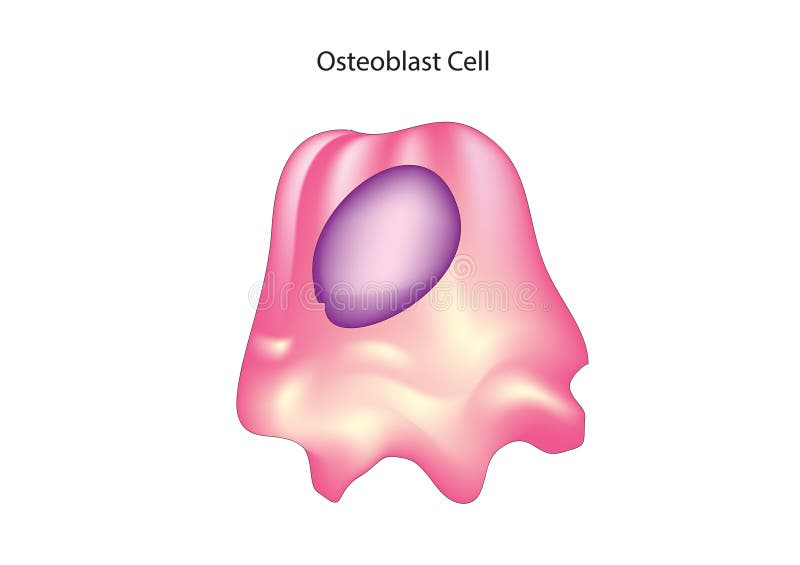
Free with trial Osteoblasts are specialized cells responsible for bone formation. They are derived from precursor cells called osteoprogenitor cells and play a crucial role in bone development, growth, and repair. Osteoblasts produce and secrete proteins, such as collagen, which form the organic matrix of bone, and also regulate the mineralization of bone tissue by depositing calcium and phosphate ions. Additionally, osteoblasts communicate with other cells, such as osteoclasts (which break down bone tissue) and osteocytes (mature bone cells embedded in the bone matrix), to maintain bone homeostasis. To secrete vectors Osteoblast. S are specialized cells responsible for bone formation. They are derived from precursor cells called osteoprogenitor cells and play a crucial role in. Osteoblasts are specialized cells responsible for bone formation. They are derived from precursor cells called osteoprogenitor cells and play a crucial role in bone development, growth, and repair. Osteoblasts produce and secrete proteins, such as collagen, which form the organic matrix of bone, and also regulate the mineralization of bone tissue by depositing calcium and phosphate ions. Additionally, osteoblasts communicate with other cells, such as osteoclasts (which break down bone tissue) and osteocytes (mature bone cells embedded in the bone matrix), to maintain bone homeostasis.
Free with trial Duodenum anatomy. Intestine connecting the stomach to the middle part. Of the small intestine. Human digestive system studying. Flat vector illustration. To secrete vectors Duodenum anatomy. Intestine connecting the stomach to the middle part. Of the small intestine. Human digestive system studying. Flat vector illustration
Free with trial An ependymal cell is a type of glial cell that forms the ependyma, a thin membrane that lines the ventricles of the brain and the central column of the spinal cord. Their main function is to secrete, circulate, and maintain homeostasis of the cerebrospinal fluid that fills the ventricles of the central nervous system. To secrete vectors Ependymal Cells scientific vector illustration background. An ependymal cell is a type of glial cell that forms the ependyma, a thin membrane that lines the. An ependymal cell is a type of glial cell that forms the ependyma, a thin membrane that lines the ventricles of the brain and the central column of the spinal cord. Their main function is to secrete, circulate, and maintain homeostasis of the cerebrospinal fluid that fills the ventricles of the central nervous system
Free with trial Argonauta are also called paper nautiluses referring to the paper thin eggcase that females secrete, vintage line drawing or engraving illustration. To secrete vectors Argonauta, vintage illustration. Argonauta are also called paper nautiluses referring to the paper thin eggcase that females secrete, vintage line drawing or. Argonauta are also called paper nautiluses referring to the paper thin eggcase that females secrete, vintage line drawing or engraving illustration
 Sign in