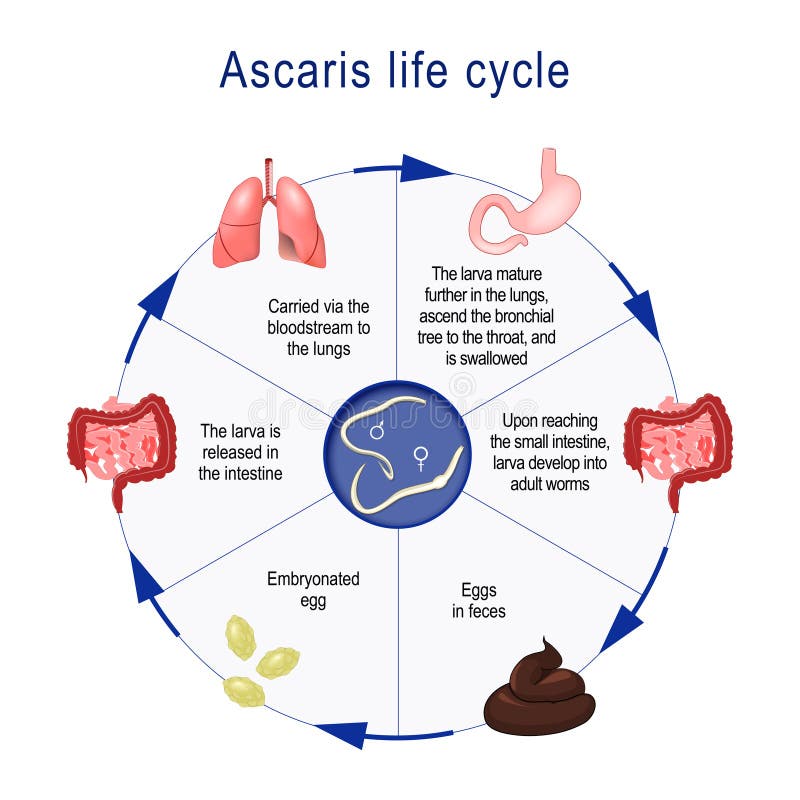
Free with trial Ascaris lumbricoides life cycle. The arrows indicate the direction of worm migration in the human body and environment. Eggs, larva and adult specimens of ascarids. vector illustration for medical, educational and science use. Unfertilized vectors Life cycle of Ascaris. Ascaris lumbricoides life cycle. The arrows indicate the direction of worm migration in the human body and environment. Eggs, larva and. Ascaris lumbricoides life cycle. The arrows indicate the direction of worm migration in the human body and environment. Eggs, larva and adult specimens of ascarids. vector illustration for medical, educational and science use
Free with trial Ascaris lumbricoides life cycle. Silhouette of a man with internal organs. The arrows indicate the direction of worm migration in the human body and environment. Eggs, larva and adult specimens of ascarids. Unfertilized vectors Ascaris life cycle. Ascaris lumbricoides life cycle. Silhouette of a man with internal organs. The arrows indicate the direction of worm migration in the human. Ascaris lumbricoides life cycle. Silhouette of a man with internal organs. The arrows indicate the direction of worm migration in the human body and environment. Eggs, larva and adult specimens of ascarids
Free with trial Ascaris. life cycle. Vector illustration of the most common human nematode infection. Worms grow and reproduction in human body, and production of eggs or larvae which are passed out via the faeces to the environment. Unfertilized vectors Ascaris. life cycle. Vector illustration. Of the most common human nematode infection. Worms grow and reproduction in human body, and production of eggs or. Ascaris. life cycle. Vector illustration of the most common human nematode infection. Worms grow and reproduction in human body, and production of eggs or larvae which are passed out via the faeces to the environment
Free with trial Freezing female eggs, unfertilized female egg line icon in vector, medical illustration. Freezing female eggs, unfertilized female egg line icon in vector. Unfertilized vectors Freezing female eggs, unfertilized female egg line icon in vector, medical illustration. Freezing female eggs, unfertilized female egg line icon in vector
Free with trial Ascaris the structure of an adult. Fertilized and unfertilized egg. The structure of the egg ascarids. Set. Infographics. Vector illustration on isolated background. Unfertilized vectors Ascaris the structure of an adult. Fertilized and unfertilized egg. The structure of the egg ascarids. Set. Infographics. Vector. Illustration on isolated
Free with trial An unfertilized egg. Vector illustration. Science biology medicine. Unfertilized vectors An unfertilized egg. Vector illustration. Science biology medicine
Free with trial Haplodiploidy Infographic Diagram sex determination by diploid or haploid chromosomes number bee drone fertilize egg result male unfertilized result female heredity genetic science education vector. Unfertilized vectors Haplodiploidy Infographic Diagram sex determination. By diploid or haploid chromosomes number bee drone fertilize egg result male unfertilized result female. Haplodiploidy Infographic Diagram sex determination by diploid or haploid chromosomes number bee drone fertilize egg result male unfertilized result female heredity genetic science education vector
Free with trial The egg of the roundworm is fertilized. Structure of Ascaris eggs. infographics. Vector illustration on isolated background. The egg of the roundworm is. Unfertilized vectors The egg of the roundworm is fertilized. Structure of Ascaris eggs. infographics. Vector illustration on isolated background. The egg of the roundworm is
Free with trial Antheraea polyphemus, the Polyphemus moth, is a North American member of the family Saturniidae, the giant silk moths. It is a tan-colored moth, with an average wingspan of 15 cm (6 in). The most noticeable feature of the moth is the large, purplish eyespot on each hindwing its name is from the Greek myth of the cyclops Polyphemus. The species, first described by Pieter Cramer in 1776, is widespread in continental North America, with local populations found throughout subarctic Canada and in all of the United States except Arizona and Nevada. Polyphemus moths inhabit deciduous hardwood forests, orchards, urban areas, and wetlands. The caterpillar can eat a total of 86,000 times its weight in the first eight weeks after it emerges. Polyphemus moths are considered to be very polyphagous, meaning they eat from a wide variety of plants. Polyphemus moths mate the same day that they hatch from their cocoons. The mating process can last from under an hour to many hours. Shortly after mating, the females lay their eggs. In the case that the female cannot secure a male, the female will stop calling after 2–3 days and release her unfertilized eggs. In most regions, females lay up to 5 eggs singly, or in groups of 2 or 3 on the underside of trees. The life cycle of the moth is much like that of any other Saturniidae species. It lays flat, light-brown eggs on the leaves of a number of host trees, preferring Ulmus americana (American elm), Betula (birch), Salix (willow), but also, more rarely, can survive on other trees, including: Quercus (oak), Acer (maple), Carya (hickory), Fagus (beech), Gleditsia triacanthos (honey locust), Juglans (walnut), Pyrus (pear), Prunus (plum, peach, apricot, cherry, etc. ), Sassafras, and Citrus. Unfertilized vectors Camouflage-Colored Polyphemus Moth with NO BACKGROUND - Actias luna. Antheraea polyphemus, the Polyphemus moth, is a North American member of the family. Antheraea polyphemus, the Polyphemus moth, is a North American member of the family Saturniidae, the giant silk moths. It is a tan-colored moth, with an average wingspan of 15 cm (6 in). The most noticeable feature of the moth is the large, purplish eyespot on each hindwing its name is from the Greek myth of the cyclops Polyphemus. The species, first described by Pieter Cramer in 1776, is widespread in continental North America, with local populations found throughout subarctic Canada and in all of the United States except Arizona and Nevada.Polyphemus moths inhabit deciduous hardwood forests, orchards, urban areas, and wetlands. The caterpillar can eat a total of 86,000 times its weight in the first eight weeks after it emerges. Polyphemus moths are considered to be very polyphagous, meaning they eat from a wide variety of plants. Polyphemus moths mate the same day that they hatch from their cocoons. The mating process can last from under an hour to many hours. Shortly after mating, the females lay their eggs. In the case that the female cannot secure a male, the female will stop calling after 2–3 days and release her unfertilized eggs. In most regions, females lay up to 5 eggs singly, or in groups of 2 or 3 on the underside of trees. The life cycle of the moth is much like that of any other Saturniidae species. It lays flat, light-brown eggs on the leaves of a number of host trees, preferring Ulmus americana (American elm), Betula (birch), Salix (willow), but also, more rarely, can survive on other trees, including: Quercus (oak), Acer (maple), Carya (hickory), Fagus (beech), Gleditsia triacanthos (honey locust), Juglans (walnut), Pyrus (pear), Prunus (plum, peach, apricot, cherry, etc.), Sassafras, and Citrus.
Free with trial Speckled bird egg, top view transparent background. AI generated. Unfertilized vectors Speckled bird egg, top view transparent background. AI generated
Free with trial The egg of the roundworm unfertilized. Structure of Ascaris eggs. infographics. Vector illustration on isolated background. The egg of the roundworm. Unfertilized vectors The egg of the roundworm unfertilized. Structure of Ascaris eggs. infographics. Vector illustration on isolated background. The egg of the roundworm
Free with trial The egg of the roundworm unfertilized. Structure of Ascaris eggs. infographics. Vector illustration on isolated background. The egg of the roundworm. Unfertilized vectors The egg of the roundworm unfertilized. Structure of Ascaris eggs. infographics. Vector illustration on isolated background. The egg of the roundworm
Free with trial The egg of the roundworm unfertilized. Structure of Ascaris eggs. infographics. Vector illustration on isolated background. The egg of the roundworm. Unfertilized vectors The egg of the roundworm unfertilized. Structure of Ascaris eggs. infographics. Vector illustration on isolated background. The egg of the roundworm
Free with trial The egg of the roundworm unfertilized. Structure of Ascaris eggs. infographics. Vector illustration on isolated background. The egg of the roundworm. Unfertilized vectors The egg of the roundworm unfertilized. Structure of Ascaris eggs. infographics. Vector illustration on isolated background. The egg of the roundworm
Free with trial The egg of the roundworm unfertilized. Structure of Ascaris eggs. infographics. Vector illustration on isolated background. The egg of the roundworm. Unfertilized vectors The egg of the roundworm unfertilized. Structure of Ascaris eggs. infographics. Vector illustration on isolated background. The egg of the roundworm
Free with trial Picture shows an unfertilized corn in which only few of the seeds has formed yet, vintage line drawing or engraving illustration. Unfertilized vectors Unfertilized corn vintage illustration. Picture shows an unfertilized corn in which only few of the seeds has formed yet, vintage line drawing or engraving. Picture shows an unfertilized corn in which only few of the seeds has formed yet, vintage line drawing or engraving illustration
Free with trial Unfertilized female egg line icon in vector, medical illustration. Unfertilized vectors Unfertilized female egg line icon in vector, medical illustration. Unfertilized female egg line icon in vector, medical illustration
Free with trial The egg is unfertilized and the sperm are an icon line in the vector, artificial insemination illustration. In Vitro. Fertilization, IVF. Unfertilized vectors The egg is unfertilized and the sperm are an icon line in the vector, artificial insemination illustration. In Vitro. Fertilization, IVF
Free with trial Ascaris the structure of an adult. Fertilized and unfertilized egg. The structure of the egg ascarids. Set. Infographics. Vector illustration on isolated background. Unfertilized vectors Ascaris the structure of an adult. Fertilized and unfertilized egg. The structure of the egg ascarids. Set. Infographics. Vector illustration on isolated
Free with trial The egg of the roundworm is fertilized. Structure of Ascaris eggs. infographics. Vector illustration on isolated background. The egg of the roundworm is. Unfertilized vectors The egg of the roundworm is fertilized. Structure of Ascaris eggs. infographics. Vector illustration on isolated background. The egg of the roundworm is
Free with trial The egg of the roundworm is fertilized. Structure of Ascaris eggs. infographics. Vector illustration on isolated background. The egg of the roundworm is. Unfertilized vectors The egg of the roundworm is fertilized. Structure of Ascaris eggs. infographics. Vector illustration on isolated background. The egg of the roundworm is
Free with trial Egg sperm cell fertilization. Vector illustration depicting egg and sperm cells in the process of fertilization. Unfertilized vectors Egg sperm cell fertilization. Vector illustration depicting egg and sperm cells in the process of fertilization
Free with trial The egg of the roundworm is fertilized. Structure of Ascaris eggs. infographics. Vector illustration on isolated background. The egg of the roundworm is. Unfertilized vectors The egg of the roundworm is fertilized. Structure of Ascaris eggs. infographics. Vector illustration on isolated background. The egg of the roundworm is
Free with trial The egg of the roundworm is fertilized. Structure of Ascaris eggs. infographics. Vector illustration on isolated background. The egg of the roundworm is. Unfertilized vectors The egg of the roundworm is fertilized. Structure of Ascaris eggs. infographics. Vector illustration on isolated background. The egg of the roundworm is
Free with trial The inscription In vitro fertilization. Artificial icing. Fertility clinic. Contour neon banner for an in vitro fertilization clinic. Vector isolated illustration of sperm and egg. Unfertilized vectors The inscription In vitro fertilization. Artificial icing. Fertility clinic. Contour neon banner for an in vitro fertilization clinic. Vector isolated
Free with trial Artificial insemination line icon in vector, illustration of flask with sperm and egg. Unfertilized vectors Artificial insemination line icon in vector, illustration of flask with sperm and egg. Artificial insemination line icon in vector, illustration of flask with
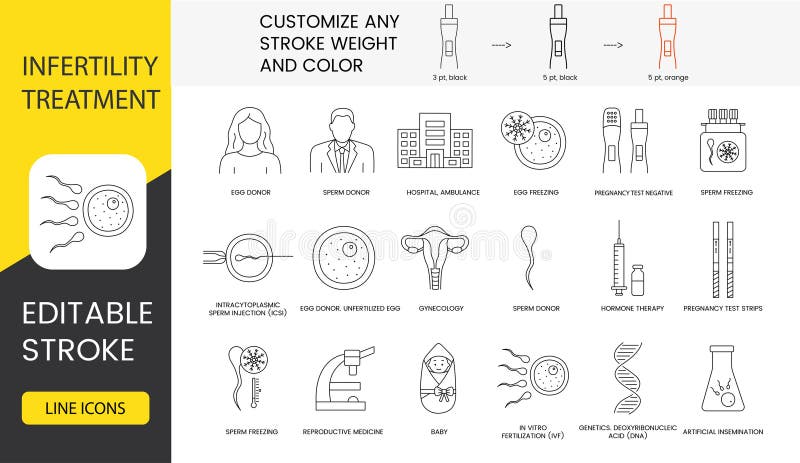
Free with trial Set of line icons clinic for reproductive medicine, infertility, types of treatment, pregnancy test strips, and genetics, deoxyribonucleic acid and dna, reproductive medicine and mammalogy, gynecology. Unfertilized vectors Set of line icons clinic for reproductive medicine, infertility, types of treatment, pregnancy test strips, and genetics. Deoxyribonucleic acid and dna. Set of line icons clinic for reproductive medicine, infertility, types of treatment, pregnancy test strips, and genetics, deoxyribonucleic acid and dna, reproductive medicine and mammalogy, gynecology
Free with trial Infertility treatment and childbirth set of line icons in vector, illustration, general and epidural anesthesia, natural birth and caesarean section, reproductive medicine and childbirth. Unfertilized vectors Infertility treatment and childbirth set of line icons in vector, illustration, general and epidural anesthesia, natural. Birth and caesarean section. Infertility treatment and childbirth set of line icons in vector, illustration, general and epidural anesthesia, natural birth and caesarean section, reproductive medicine and childbirth
Free with trial Reproductive medicine line icon set in vector, illustration of infertility treatment and artificial insemination, egg and sperm freezing, intracytoplasmic sperm injection, icsi. Editable stroke. Unfertilized vectors Reproductive medicine line icon set in vector, illustration of infertility treatment and artificial insemination, egg. And sperm freezing, intracytoplasmic. Reproductive medicine line icon set in vector, illustration of infertility treatment and artificial insemination, egg and sperm freezing, intracytoplasmic sperm injection, icsi. Editable stroke
 Sign in