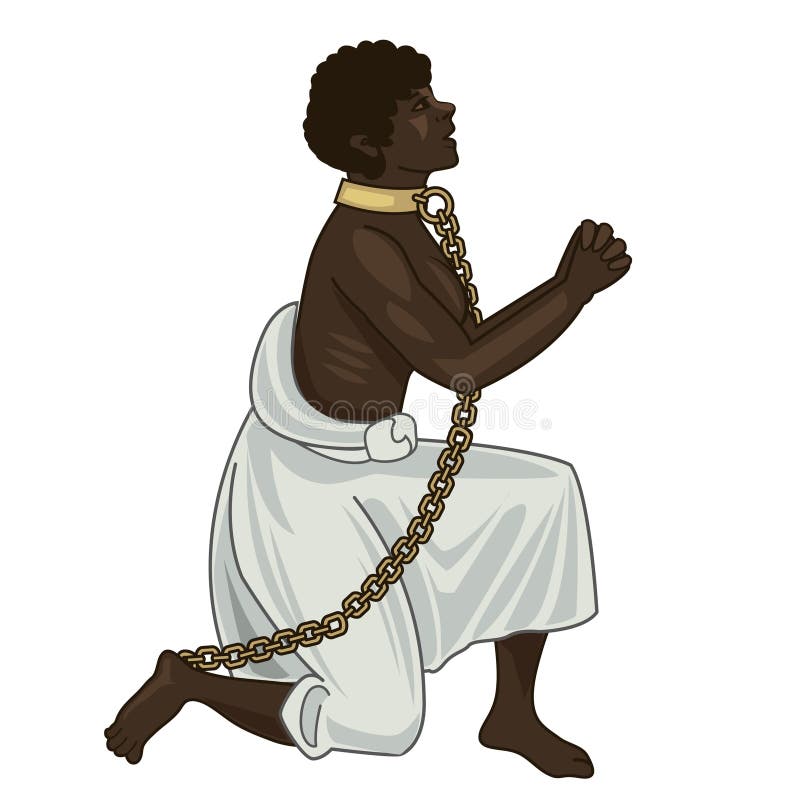
Free with trial Abolition Of Slavery. Freedom. Towards Freedom. Woman In Chains. Slave Owners, Exemption. Will release vectors Abolition Of Slavery. Towards Freedom. Woman In Chains. Abolition Of Slavery. Freedom. Towards Freedom. Woman In Chains. Slave Owners, Exemption. Abolition Of Slavery. Freedom. Towards Freedom. Woman In Chains. Slave Owners, Exemption.
Free with trial Conceptual image of breaking the bonds in a bid for for freedom and liberty with a strong man clenching his hands to snap the handcuffs around his wrists, vector illustration. Will release vectors Breaking the bonds for freedom. Conceptual image of breaking the bonds in a bid for for freedom and liberty with a strong man clenching his hands to snap the. Conceptual image of breaking the bonds in a bid for for freedom and liberty with a strong man clenching his hands to snap the handcuffs around his wrists, vector illustration
Free with trial Mechanism of allergy. Mast cells and allergic reaction. B-cell is exposed to allergen, plasma cells will initiate an overproduction of IgE antibodies. The IgE molecules attach themselves to mast cells. When allergen enters the body for the second time, the IgE antibodies reacts. mast cells release histamine and other allergic mediators, that will cause an allergic reaction. Will release vectors Mechanism of allergy. Mast cells and allergic reaction. B-cell is exposed to allergen, plasma cells will initiate an overproduction of IgE antibodies. The IgE
Free with trial Mechanism of allergy. Mast cells and allergic reaction. B-cell is exposed to allergen, plasma cells will initiate an overproduction of IgE antibodies. The IgE molecules attach themselves to mast cells. When allergen enters the body for the second time, the IgE antibodies reacts. mast cells release histamine and other allergic mediators, that will cause an allergic reaction. Will release vectors Mechanism of allergy. Mast cells and allergic reaction. B-cell is exposed to allergen, plasma cells will initiate an overproduction of IgE antibodies. The IgE
Free with trial Fly of bird to hand. creative idea illustration. creative idea. Will release vectors Fly of bird to hand. creative idea illustration. Fly of bird to hand. creative idea
Free with trial Ethereum wireframe symbol flows into golden ETH symbol on dark blue background. Ethereum ETH will merge with Beacon Chain proof of stake system PoS. Vector illustration. Will release vectors Ethereum wireframe symbol flows into golden ETH symbol on dark blue background. Ethereum ETH will merge with Beacon Chain proof of. Stake system PoS. Vector
Free with trial Someone with dissociative identity disorder (DID). Also known as multi personality disorder (MPD). Will release vectors Multi-personality disorder. Someone with dissociative identity disorder (DID). Also known as multi personality disorder (MPD. Someone with dissociative identity disorder (DID). Also known as multi personality disorder (MPD)
Free with trial Peace - no more guns. Illustration of a bird holding a flower on top of a gun in a grass field. Will release vectors Peace - no more guns. Illustration of a bird holding a flower on top of a gun in a grass field
Free with trial Creative bird with hand creative idea. Creative bird with hand. creative idea. Will release vectors Creative bird with hand creative idea. Creative bird with hand. creative idea
Free with trial Creative idea, hand with bird. Will release vectors Hand with bird. creative idea. Creative idea, hand with bird. Creative idea, hand with bird.
Free with trial Fly of bird to hand. creative idea. Will release vectors Fly of bird to hand. creative idea
Free with trial Fly of bird to hand. creative idea. Vector. Will release vectors Fly of bird to hand. creative idea. Vector
Free with trial Fly of bird to hand. creative idea,. Will release vectors Fly of bird to hand. creative idea.
Free with trial Fly of bird to hand. creative idea. Fly of bird to hand creative idea. Will release vectors Fly of bird to hand. creative idea. Fly of bird to hand creative idea
Free with trial Vote for peace. Vector colorful typography Illustration with raised human hands. Lettering background. Vote for Peace Concept. Useful for poster, print and web. Will release vectors Vote for peace. Vector colorful typography Illustration with raised human hands. Lettering background. Vote for Peace Concept. Useful for poster, print and web
Free with trial Sale sign in the shape of a red badge with holes p. Sale sign in the form of coins in red. Will release vectors Sale sign in the shape of a red badge with holes p. Sale sign in the form of coins in red
Free with trial Scrum team project development method process with sprint time and product release flat vector illustration. Will be use for banner, poster, web design. Will release vectors Flexible methodologies in business of software development. Scrum team project development method process with sprint time and product release flat vector. Scrum team project development method process with sprint time and product release flat vector illustration. Will be use for banner, poster, web design
Free with trial Scrum team project development method process with sprint time and product release flat vector illustration. Will be use for banner, poster, web design. Will release vectors Flexible methodologies in business of software development. Scrum team project development method process with sprint time and product release flat vector. Scrum team project development method process with sprint time and product release flat vector illustration. Will be use for banner, poster, web design
Free with trial Scrum team project development method process with sprint time and product release flat vector illustration. Will be use for banner, poster, web design. Will release vectors Flexible methodologies in business of software development. Scrum team project development method process with sprint time and product release flat vector. Scrum team project development method process with sprint time and product release flat vector illustration. Will be use for banner, poster, web design
Free with trial Creative Idea - Hand make a bird icon. Stock vector. Will release vectors Creative Idea - Hand make a bird icon. Stock vector
Free with trial Design of portable youtube tv or youtube player portable is intentionally made round so that adds to the sense of cute and funny. could be this image of a youtube party will release the hardware. fingers crossed so. Will release vectors Youtube player portable. Design of portable youtube tv or youtube player portable is intentionally made round so that adds to the sense of cute and funny. could. Design of portable youtube tv or youtube player portable is intentionally made round so that adds to the sense of cute and funny. could be this image of a youtube party will release the hardware. fingers crossed so
Free with trial Vector dove in hand logo or icon. Vector logo or icon design element for companies. Will release vectors Vector dove in hand logo or icon. Vector logo or icon design element for companies
Free with trial Thoughts fly out of the man head like birds from box. Engraving vector illustration. Sketch scratch board imitation. Will release vectors Thoughts fly out of the man head like birds from box. Engraving vector illustration. Sketch scratch board imitation
Free with trial Team discussing business growth with graphs. Depicting the launch of a product campaign that will go global. A team enthusiastically launching a new product. Set flat vector illustration. Will release vectors Marketing Campaign Management. Round the Rocket Launch Campaign. Concept New application launch. Team discussing business growth with graphs. Depicting the. Team discussing business growth with graphs. Depicting the launch of a product campaign that will go global. A team enthusiastically launching a new product. Set flat vector illustration
Free with trial Antheraea polyphemus, the Polyphemus moth, is a North American member of the family Saturniidae, the giant silk moths. It is a tan-colored moth, with an average wingspan of 15 cm (6 in). The most noticeable feature of the moth is the large, purplish eyespot on each hindwing its name is from the Greek myth of the cyclops Polyphemus. The species, first described by Pieter Cramer in 1776, is widespread in continental North America, with local populations found throughout subarctic Canada and in all of the United States except Arizona and Nevada. Polyphemus moths inhabit deciduous hardwood forests, orchards, urban areas, and wetlands. The caterpillar can eat a total of 86,000 times its weight in the first eight weeks after it emerges. Polyphemus moths are considered to be very polyphagous, meaning they eat from a wide variety of plants. Polyphemus moths mate the same day that they hatch from their cocoons. The mating process can last from under an hour to many hours. Shortly after mating, the females lay their eggs. In the case that the female cannot secure a male, the female will stop calling after 2–3 days and release her unfertilized eggs. In most regions, females lay up to 5 eggs singly, or in groups of 2 or 3 on the underside of trees. The life cycle of the moth is much like that of any other Saturniidae species. It lays flat, light-brown eggs on the leaves of a number of host trees, preferring Ulmus americana (American elm), Betula (birch), Salix (willow), but also, more rarely, can survive on other trees, including: Quercus (oak), Acer (maple), Carya (hickory), Fagus (beech), Gleditsia triacanthos (honey locust), Juglans (walnut), Pyrus (pear), Prunus (plum, peach, apricot, cherry, etc. ), Sassafras, and Citrus. Will release vectors Camouflage-Colored Polyphemus Moth with NO BACKGROUND - Actias luna. Antheraea polyphemus, the Polyphemus moth, is a North American member of the family. Antheraea polyphemus, the Polyphemus moth, is a North American member of the family Saturniidae, the giant silk moths. It is a tan-colored moth, with an average wingspan of 15 cm (6 in). The most noticeable feature of the moth is the large, purplish eyespot on each hindwing its name is from the Greek myth of the cyclops Polyphemus. The species, first described by Pieter Cramer in 1776, is widespread in continental North America, with local populations found throughout subarctic Canada and in all of the United States except Arizona and Nevada.Polyphemus moths inhabit deciduous hardwood forests, orchards, urban areas, and wetlands. The caterpillar can eat a total of 86,000 times its weight in the first eight weeks after it emerges. Polyphemus moths are considered to be very polyphagous, meaning they eat from a wide variety of plants. Polyphemus moths mate the same day that they hatch from their cocoons. The mating process can last from under an hour to many hours. Shortly after mating, the females lay their eggs. In the case that the female cannot secure a male, the female will stop calling after 2–3 days and release her unfertilized eggs. In most regions, females lay up to 5 eggs singly, or in groups of 2 or 3 on the underside of trees. The life cycle of the moth is much like that of any other Saturniidae species. It lays flat, light-brown eggs on the leaves of a number of host trees, preferring Ulmus americana (American elm), Betula (birch), Salix (willow), but also, more rarely, can survive on other trees, including: Quercus (oak), Acer (maple), Carya (hickory), Fagus (beech), Gleditsia triacanthos (honey locust), Juglans (walnut), Pyrus (pear), Prunus (plum, peach, apricot, cherry, etc.), Sassafras, and Citrus.
Free with trial Coming soon stay tuned, we will arrive. Vector. Will release vectors Coming soon stay tuned, we will arrive. Vector
Free with trial The perfect duo for ultimate skin health our sauna and skin exfoliation treatment will leave your skin feeling hydrated. And rejuvenated.. AI generated. Will release vectors The perfect duo for ultimate skin health our sauna and skin exfoliation treatment will leave your skin feeling hydrated. And rejuvenated.. AI generated
Free with trial Indulge in the ultimate selfcare ritual with a hot sauna session followed by a blissful massage that will leave you. Feeling completely pampered.. AI generated. Will release vectors Indulge in the ultimate selfcare ritual with a hot sauna session followed by a blissful massage that will leave you. Feeling completely pampered.. AI generated
Free with trial Unwind and escape from daily stresses at this upscale spa where the infrared sauna sessions will leave you feeling. Relaxed and refreshed.. AI generated. Will release vectors Unwind and escape from daily stresses at this upscale spa where the infrared sauna sessions will leave you feeling. Relaxed and refreshed.. AI generated
Free with trial Coming soon stay tuned, we will arrive. Vector. Will release vectors Coming soon stay tuned, we will arrive. Vector
Free with trial Coming soon stay tuned, we will arrive. Vector. Will release vectors Coming soon stay tuned, we will arrive. Vector
Free with trial Coming soon stay tuned, we will arrive. Vector. Will release vectors Coming soon stay tuned, we will arrive. Vector
Free with trial A dynamic illustration of a woman blowing air, depicted as vigorous, powerful swirling patterns. This image conveys concepts of forceful breath, strong will, or an energetic release. Ideal for themes related to power, natural elements, or impactful actions, adding visual intensity, vector design Generative AI. Will release vectors Woman blowing strong swirls, symbolizing impactful breath and dynamic energy, vector design Generative AI. A dynamic illustration of a woman blowing air. A dynamic illustration of a woman blowing air, depicted as vigorous, powerful swirling patterns. This image conveys concepts of forceful breath, strong will, or an energetic release. Ideal for themes related to power, natural elements, or impactful actions, adding visual intensity, vector design Generative AI
Free with trial A man sprinkles a pinch of salt into his water bottle knowing it will help replenish electrolytes lost during his sauna. Session.. AI generated. Will release vectors A man sprinkles a pinch of salt into his water bottle knowing it will help replenish electrolytes lost during his sauna. Session.. AI generated
Free with trial The perfect combination of heat and exfoliation our sauna and skin treatment will leave you feeling refreshed from head. To toe.. AI generated. Will release vectors The perfect combination of heat and exfoliation our sauna and skin treatment will leave you feeling refreshed from head. To toe.. AI generated
Free with trial A customer at a spa enjoys an infrared sauna session knowing it will help improve the elasticity and firmness of their. Skin.. AI generated. Will release vectors A customer at a spa enjoys an infrared sauna session knowing it will help improve the elasticity and firmness of their. Skin.. AI generated
Free with trial Open Hand vs Fist, choice and freedom concept, illustration. Will release vectors Open Hand vs Fist, choice and freedom concept. Illustration
Free with trial Unwind and destress in this lavish home spa featuring a tranquil infrared sauna plush seating and a serene atmosphere. That will leave you feeling. AI generated. Will release vectors Unwind and destress in this lavish home spa featuring a tranquil infrared sauna plush seating and a serene atmosphere. That will leave you feeling. AI generated
Free with trial Indulge in some welldeserved pampering at this exclusive spa where the tranquil ambiance and rejuvenating infrared sauna. Treatments will leave you. AI. Will release vectors Indulge in some welldeserved pampering at this exclusive spa where the tranquil ambiance and rejuvenating infrared sauna. Treatments will leave you. AI
Free with trial Powerful grip crushing metal chains and shackles, representing freedom, empowerment, and defiance against oppression. Will release vectors Strong clenched fists breaking metal chains and shackles, symbolizing freedom, liberty, power, and resistance. Powerful grip crushing metal chains and shackles. Powerful grip crushing metal chains and shackles, representing freedom, empowerment, and defiance against oppression
Free with trial Anticipation builds as a fresh offering is about to be unveiled soon. Stay tuned for details on a remarkable addition that will enhance your experience and spark interest. Will release vectors Exciting announcement coming soon for a new and innovative product launch. Anticipation builds as a fresh offering is about to be unveiled soon. Stay tuned for. Anticipation builds as a fresh offering is about to be unveiled soon. Stay tuned for details on a remarkable addition that will enhance your experience and spark interest
Free with trial Legal documents outline icons collection. Contract, Agreement, Deed, License, Patent, Trademark, Will vector and. Will release vectors Legal documents line icons collection. Contract, Agreement, Deed, License, Patent, Trademark, Will vector and linear. Legal documents outline icons collection. Legal documents outline icons collection. Contract, Agreement, Deed, License, Patent, Trademark, Will vector and
Free with trial Cute human soul walks along road, light bulbs light up. Text If you radiate light, your path will always be bright. Spiritual knowledge, motivation, awakening. Colorful vector illustration hand drawn. Will release vectors Soul walks along road, light bulbs light up. Vector. Cute human soul walks along road, light bulbs light up. Text If you radiate light, your path will always be. Cute human soul walks along road, light bulbs light up. Text If you radiate light, your path will always be bright. Spiritual knowledge, motivation, awakening. Colorful vector illustration hand drawn
Free with trial Ethereum The Merge system ETH golden symbol on dark red background. Ethereum ETH will merge with Beacon Chain proof of stake. System PoS. Vector illustration. Will release vectors Ethereum The Merge system ETH golden symbol on dark red background. Ethereum ETH will merge with Beacon Chain proof of stake. System PoS. Vector illustration
Free with trial Bird in hand. save wildlife. Vector. Will release vectors Bird in hand. save wildlife. Vector
Free with trial Creative bird sketch with hand. Icon. Will release vectors Creative bird sketch with hand. Icon
Free with trial Fly of bird to hand. creative idea. Vector. Will release vectors Fly of bird to hand. creative idea. Vector
Free with trial Creative bird with hand creative idea. Creative bird with hand. creative idea. Will release vectors Creative bird with hand creative idea. Creative bird with hand. creative idea
Free with trial Creative bird with hand creative idea. Creative bird with hand. creative idea. Will release vectors Creative bird with hand creative idea. Creative bird with hand. creative idea
Free with trial Concept of freedom and happiness with multicolored hands that are superimposed to symbolize fraternity between men. Will release vectors Concept of friendship symbolized by mixing a multitude of hands of different colors. Concept of freedom and happiness with multicolored hands that are. Concept of freedom and happiness with multicolored hands that are superimposed to symbolize fraternity between men.
Free with trial Fly of bird to hand. creative idea. Vector. Will release vectors Fly of bird to hand. creative idea. Vector
Free with trial Fly of bird to hand. creative idea. Will release vectors Fly of bird to hand. creative idea. Fly of bird to hand.a creative idea
Free with trial Fly of bird to hand. creative idea,. Will release vectors Fly of bird to hand. creative idea.
Free with trial Fly of bird to hand. creative idea,. Will release vectors Fly of bird to hand. creative idea.
Free with trial Fly of bird to hand. creative idea,. Will release vectors Fly of bird to hand. creative idea.
Free with trial Fly of bird to hand. creative idea,. Will release vectors Fly of bird to hand. creative idea.
Free with trial Fly of bird to hand. creative idea,. Will release vectors Fly of bird to hand. creative idea.
Free with trial Fly of bird to hand. creative idea,. Will release vectors Fly of bird to hand. creative idea.
Free with trial Fly of bird to hand. creative idea. Will release vectors Fly of bird to hand. creative idea
Free with trial Fly of bird to hand. creative idea,. Will release vectors Fly of bird to hand. creative idea.
Free with trial Fly of bird to hand. creative idea,. Will release vectors Fly of bird to hand. creative idea.
Free with trial The word FREE concept written in colorful abstract typography. Vector EPS 10 available. Will release vectors Free Concept Word Art Illustration. The word FREE concept written in colorful abstract typography. Vector EPS 10 available. The word FREE concept written in colorful abstract typography. Vector EPS 10 available.
Free with trial The word FREE concept written in colorful abstract typography. Vector EPS 10 available. Will release vectors Free Concept Word Art Illustration. The word FREE concept written in colorful abstract typography. Vector EPS 10 available. The word FREE concept written in colorful abstract typography. Vector EPS 10 available.
Free with trial Vector colorful typography Illustration with raised painted hands. Lettering watercolor hand drawn background. Vote for Peace Creative Concept. Useful for poster, print and web design. Will release vectors Vote for peace. Vector colorful typography Illustration with raised painted hands. Lettering watercolor hand drawn background. Vote for Peace Creative Concept. Vector colorful typography Illustration with raised painted hands. Lettering watercolor hand drawn background. Vote for Peace Creative Concept. Useful for poster, print and web design.
Free with trial The word FREE concept written in colorful abstract typography. Vector EPS 10 available. Will release vectors Free Concept Word Art Illustration. The word FREE concept written in colorful abstract typography. Vector EPS 10 available. The word FREE concept written in colorful abstract typography. Vector EPS 10 available.
Free with trial Woman releases pigeons to freedom for concept hope and faith in happy future. Happy girl ornithologist escorts pigeons flying into sky after naturalization and breeding of wild birds. Will release vectors Woman releases pigeons birds to freedom for concept hope and faith in happy future. Woman releases pigeons to freedom for concept hope and faith in happy future. Woman releases pigeons to freedom for concept hope and faith in happy future. Happy girl ornithologist escorts pigeons flying into sky after naturalization and breeding of wild birds
Free with trial Free Concept Retro Colorful Word Art Illustration. The word FREE concept written in colorful retro shapes and colors illustration. Will release vectors Free Concept Retro Colorful Word Art Illustration. The word FREE concept written in colorful retro shapes and colors illustration
Free with trial Creative hand yellow bird design. Stock. Will release vectors Creative hand yellow bird design. Stock
Free with trial Scrum team project development method process with sprint time and product release flat vector illustration. Will be use for banner, poster, web design. Will release vectors Flexible methodologies in business of software development. Scrum team project development method process with sprint time and product release flat vector. Scrum team project development method process with sprint time and product release flat vector illustration. Will be use for banner, poster, web design
Free with trial Hands making fly of bird. Dove of peace sign creative idea. Vector illustration. Will release vectors Hands making fly of bird. Dove of peace sign creative idea. Vector illustration. Hands making fly of bird. Vector illustration. Dove of peace sign creative idea
Free with trial Scrum team project development method process with sprint time and product release flat vector illustration. Will be use for banner, poster, web design. Will release vectors Flexible methodologies in business of software development. Scrum team project development method process with sprint time and product release flat vector. Scrum team project development method process with sprint time and product release flat vector illustration. Will be use for banner, poster, web design
Free with trial Girl and pigeons. Girl releasing pigeon for freedom- fly white birds on bright sunny day with shining sunshine rays. Will release vectors Girl and pigeons. Girl releasing pigeon for freedom- fly white birds on bright sunny day with shining sunshine rays
Free with trial Scrum team project development method process with sprint time and product release flat vector illustration. Will be use for banner, poster, web design. Will release vectors Flexible methodologies in business of software development. Scrum team project development method process with sprint time and product release flat vector. Scrum team project development method process with sprint time and product release flat vector illustration. Will be use for banner, poster, web design
Free with trial Take care it will provide a good growth. Will release vectors Investment is like planting trees. Take care it will provide a good growth. Take care it will provide a good growth.
Free with trial Continuous line drawing. pigeon in hands. simple vector illustration. pigeon in hands concept hand drawing sketch line. Will release vectors Continuous line drawing. pigeon in hands. simple vector illustration. pigeon in hands concept hand drawing sketch line. Continuous line drawing. pigeon in hands
Free with trial Running girl and pigeons. Pigeons and running girl - white birds fly into the bright sunlight. Will release vectors Running girl and pigeons. Pigeons and running girl - white birds fly into the bright sunlight
Free with trial Free human icon in filled, thin line, outline and stroke style. Vector illustration of two colored and black free human vector icons designs can be used for mobile, ui, web. Will release vectors Free human icon in filled, thin line, outline and stroke style. Vector illustration of two colored and black free human vector. Icons designs can be used for
Free with trial Free human outline vector icon. Thin line black free human icon, flat vector simple element illustration from editable feelings concept isolated on white background. Will release vectors Free human outline vector icon. Thin line black free human icon, flat vector simple element illustration from editable feelings. Concept isolated on white
Free with trial Cute bird giving message a happy woman mother day card. Vector illustration. Will release vectors Cute bird giving message a happy woman mother day card. Vector illustration
Free with trial Group of hands and dove silhouette, flat illustration. Will release vectors Dove and Hands. Group of hands and dove silhouette, flat illustration. Group of hands and dove silhouette, flat illustration.
 Sign in