Free with trial An illustration of an American football field layout. Zone vectors NFL Football Field EPS. An illustration of an American football field layout. An illustration of an American football field layout.
Free with trial World map. In silhouette version, created in vector format. Zone vectors World map. In silhouette version, created in vector format
Free with trial Generic city map with streets, railway, important buildings, green belts, industrial zone and a river. Symbols of churches, synagogues, historic buildings, monuments, post offices, cinemas, theatres, harbours, lots, taxi-cabs, hospital and youth hostels. Zone vectors City Map. Generic city map with streets, railway, important buildings, green belts, industrial zone and a river. Symbols of churches, synagogues, historic. Generic city map with streets, railway, important buildings, green belts, industrial zone and a river. Symbols of churches, synagogues, historic buildings, monuments, post offices, cinemas, theatres, harbours, lots, taxi-cabs, hospital and youth hostels.
Free with trial Tow away zone sign. Warning tow away zone sign on blue illustration. Zone vectors Tow away zone sign. Warning tow away zone sign on blue illustration
Free with trial Super Banner for kids zone in cartoon style with burst background. Place for fun and play. Poster for children`s playroom decoration. Vector illustration. Zone vectors Super Banner for kids zone. Super Banner for kids zone in cartoon style with burst background. Place for fun and play. Poster for children`s playroom decoration. Super Banner for kids zone in cartoon style with burst background. Place for fun and play. Poster for children`s playroom decoration. Vector illustration.
Free with trial Vector Illustration Cool Kids Party Graphic Design Template. Banner For Children Playroom Or Game Zone. Zone vectors Vector Illustration Kids Party Graphic Design Template. Banner For Children Playroom Or Game Zone. Vector Illustration Cool Kids Party Graphic Design Template. Vector Illustration Cool Kids Party Graphic Design Template. Banner For Children Playroom Or Game Zone
Free with trial Kids letters and numbers set. Bold, colorful vector latin alphabet. Fonts for kids zone, promotions, logos, banner, kindergarten decoration. Typography design. Zone vectors Kids letters and numbers set. Bold, colorful vector latin alphabet. Fonts for kids zone, promotions, logos, banner. Kindergarten decoration. Typography design
Free with trial Flat 3d isometric airport departments concept web infographics vector illustration. Departure arrival passport control check in VIP internet zone cafe taxi duty free. Creative people collection. Zone vectors Airport departments interior departure flat 3d isometric vector. Flat 3d isometric airport departments concept web infographics vector illustration. Departure. Flat 3d isometric airport departments concept web infographics vector illustration. Departure arrival passport control check in VIP internet zone cafe taxi duty free. Creative people collection.
Free with trial U. S. Speed Limit Signs from 15-75 MPH. Includes 2 School Zone variations. Zone vectors U.S. Speed Limit Signs. From 15-75 MPH. Includes 2 School Zone variations
Free with trial Skin cancer. Basal-cell carcinoma or basal cell cancer (BCC). Schematic representation of skin. The separation between epidermis and dermis occurs at the basement membrane zone. Zone vectors Basal-cell carcinoma or basal cell cancer. Skin cancer. Basal-cell carcinoma or basal cell cancer (BCC). Schematic representation of skin. The separation between. Skin cancer. Basal-cell carcinoma or basal cell cancer (BCC). Schematic representation of skin. The separation between epidermis and dermis occurs at the basement membrane zone.
Free with trial Vector illustration of Tectonic Plates - Subduction zone - oceanic trench. Full compatible. Created with gradients. Zone vectors Tectonic Plates - Subduction zone. Vector illustration of Tectonic Plates - Subduction zone - oceanic trench. Full compatible. Created with gradients. Vector illustration of Tectonic Plates - Subduction zone - oceanic trench. Full compatible. Created with gradients.
Free with trial Tongue taste areas. Sweet, bitter and salty tastes. Umami and sour taste receptors diagram. Five gusto tongue tastes, tasteful gustation zone map. Medicine cartoon vector illustration. Zone vectors Tongue taste areas. Sweet, bitter and salty tastes. Umami and sour taste receptors diagram cartoon vector illustration. Tongue taste areas. Sweet, bitter and. Tongue taste areas. Sweet, bitter and salty tastes. Umami and sour taste receptors diagram. Five gusto tongue tastes, tasteful gustation zone map. Medicine cartoon vector illustration
Free with trial Children playing in playground. Kids zone. Place for games. Funny cartoon characters. Children slide down on a rainbow. Amusement park rides. Vector illustration. Seamless panorama. Zone vectors Kids zone. Amusement park rides. Children playing in playground. Children playing in playground. Kids zone. Place for games. Funny cartoon characters. Children. Children playing in playground. Kids zone. Place for games. Funny cartoon characters. Children slide down on a rainbow. Amusement park rides. Vector illustration. Seamless panorama
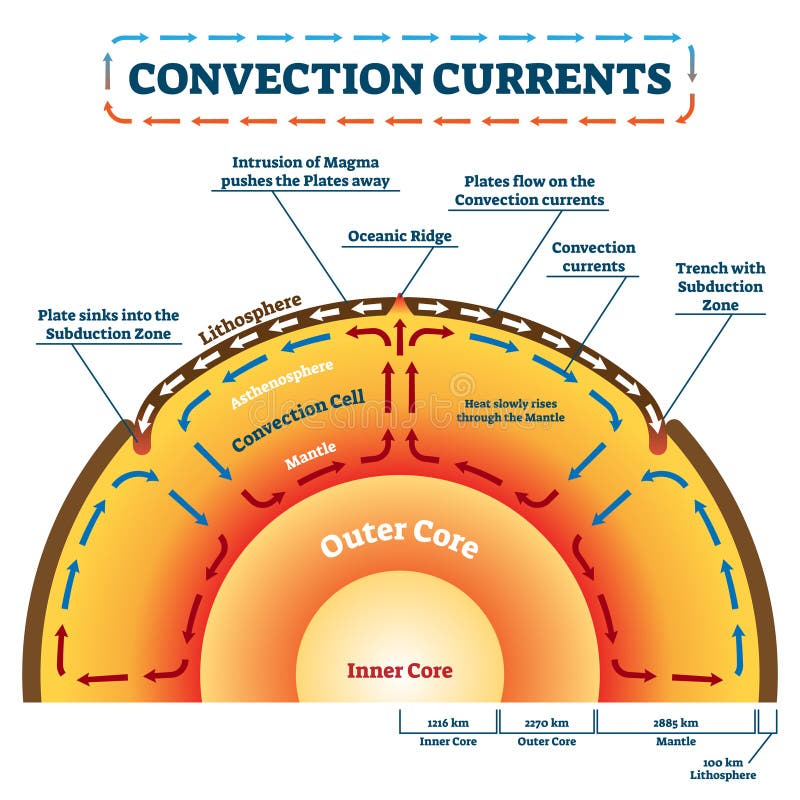
Free with trial Convection Currents vector illustration. Labeled educational process scheme. Geology land movement and heat transfer by mass motion as molten rock. Lithosphere, ocean ridge and subduction zone example. Zone vectors Convection Currents vector illustration. Labeled educational process scheme. Geology land movement and heat transfer by mass motion as molten rock. Lithosphere
Free with trial Wireless and wifi icon or sign for remote internet access. Podcast vector symbol. Wifi zone symbol. Zone vectors Wifi technology symbol. Wireless and wifi icon. Sign for remote internet access. Podcast vector symbol. Simple vector. Wireless and wifi icon or sign for remote. Wireless and wifi icon or sign for remote internet access. Podcast vector symbol. Wifi zone symbol
Free with trial Kids alphabet, colorful cartoon font, kid letters set, play room funny design element, kids zone vector illustration. Kids alphabet, colorful cartoon font, kid. Zone vectors Kids alphabet, colorful cartoon font, kid letters set, play room funny design element, kids zone vector illustration. Kids alphabet, colorful cartoon font, kid
Free with trial An illustration of an American football field layout with red and blue touch downs. Zone vectors American Football Field NFL EPS. An illustration of an American football field layout with red and blue touch downs. An illustration of an American football field layout with red and blue touch downs.
Free with trial No parking sign. Illustration of no parking sign on white background. Zone vectors No parking sign. Illustration of no parking sign on white background
Free with trial Prohibition symbols set. Nine most popular signs: no smoking, no alcohol, no icecream, no phone calls, no photos, no dogs, no biking, no roller skating, do not walk. Vector illustration. Black forbidden symbols in the a crossed red circle on white background. Zone vectors Prohibition symbols set. Nine most popular signs: no smoking, no alcohol, no icecream, no phone calls, no photos, no dogs, no biking, no roller skating, do not
Free with trial Parking sign. Illustration of parking sign blue color icons with two design on white background. Zone vectors Parking sign. Illustration of parking sign blue color icons with two design on white background
Free with trial Detailed vector World map with colorful continents, political boundaries, country names and 3D globes. Zone vectors Detailed vector World map with colorful continents. Political boundaries, country names and 3D globes
Free with trial Abstract retro vector dots halftone wave. Halftone design elements for your design. Zone vectors Abstract retro vector dots halftone wave. Halftone design elements for your design
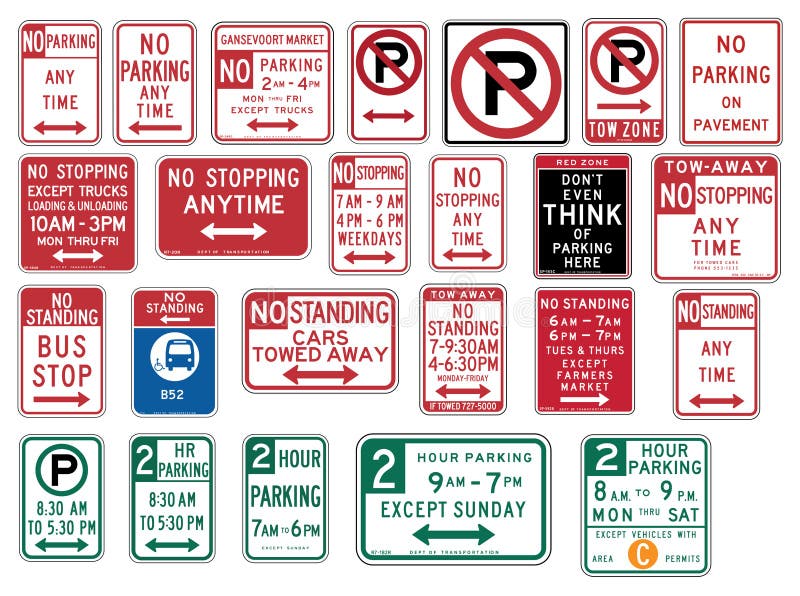
Free with trial Vector Illustration collection of the select Traffic Signs in the United States, isolated on white background. You can find other road signs in my portfolio. EPS file available. rnrnIn the United States, road signs are, for the most part, standardized by federal regulations, most notably in the Manual on Uniform Traffic Control Devices (MUTCD) and its companion volume the Standard Highway Signs (SHS). There currently are no plans for adopting the Vienna Convention on Road Signs and Signals standards. rnTwenty-three states along with the District of Columbia and Puerto Rico use the manual without any alterations, 20 states have adopted it in conjunction with a supplemental volume, and seven states have a state version in substantial conformance to the MUTCD. There are also localized versions that are used in large cities such as New York City which use a naming system compatible with the MUTCD and/or state supplement. The MUTCD and SHS establish seven general categories of signs for road and highway use. rnrnIncluded illustrations are select examples of the following MUTCD categories:rn-- R7 Series: Parkingrnrn. Zone vectors Traffic Signs in the United States - No Parking. Vector Illustration collection of the select Traffic Signs in the United States, isolated on white background. Vector Illustration collection of the select Traffic Signs in the United States, isolated on white background. You can find other road signs in my portfolio. EPS file available.rnrnIn the United States, road signs are, for the most part, standardized by federal regulations, most notably in the Manual on Uniform Traffic Control Devices (MUTCD) and its companion volume the Standard Highway Signs (SHS). There currently are no plans for adopting the Vienna Convention on Road Signs and Signals standards.rnTwenty-three states along with the District of Columbia and Puerto Rico use the manual without any alterations, 20 states have adopted it in conjunction with a supplemental volume, and seven states have a state version in substantial conformance to the MUTCD. There are also localized versions that are used in large cities such as New York City which use a naming system compatible with the MUTCD and/or state supplement. The MUTCD and SHS establish seven general categories of signs for road and highway use.rnrnIncluded illustrations are select examples of the following MUTCD categories:rn-- R7 Series: Parkingrnrn
Free with trial A map of the African continent with each country on the continent colored in bright colors. Names of the countries and their capital are shown on a map too. Continent isolated on a white background. Zone vectors Map of Africa. A map of the African continent with each country on the continent colored in bright colors. Names of the countries and their capital are shown on. A map of the African continent with each country on the continent colored in bright colors. Names of the countries and their capital are shown on a map too. Continent isolated on a white background.
Free with trial Africa blind map. Blind map of Africa with country borders. Names of the countries and their capital are in an additional format (. AI) in the latent layer. Zone vectors Africa blind map. Blind map of Africa with country borders. Names of the countries and their capital are in an additional format (.AI) in the latent layer
Free with trial Glossy Street Signs. Set of glossy street signs. Zone vectors Glossy Street Signs. Set of glossy street signs
Free with trial Dots. Sample Text Here - dots background. Zone vectors Dots. Sample Text Here - dots background
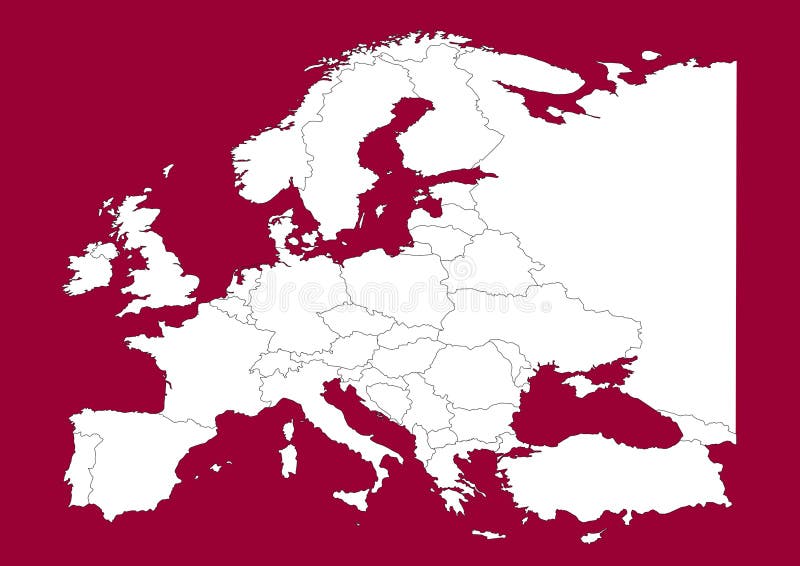
Free with trial This is a Europe map, Vector map - size and color can be changed for additional format! Great for your editorial article, news repport and other media!. Zone vectors Europe vectorial map on red. This is a Europe map, Vector map - size and color can be changed for additional format! Great for your editorial article, news. This is a Europe map, Vector map - size and color can be changed for additional format! Great for your editorial article, news repport and other media!
Free with trial Abstract halftone background. With copy space. Zone vectors Abstract halftone background. With copy space
Free with trial Vector male and female signs. Woman and man silhouettes for wc or toilette. Zone vectors Vector male and female signs. Woman and man silhouettes for wc or toilette
Free with trial Road Signs. Road Sign Set #3 - Warning. Zone vectors Road Signs. Road Sign Set #3 - Warning
Free with trial Sign No smoking. Vector sign No smoking on white. Zone vectors Sign No smoking. Vector sign No smoking on white
Free with trial Cars parking sign. Isolated on white. Zone vectors Cars parking sign. Isolated on white
Free with trial Surveillance camera. Video surveillance sign. CCTV Camera. Black vector isolated. Zone vectors Surveillance camera. Video surveillance sign. CCTV Camera. Black vector isolated
Free with trial Danger and Restricted Area Signs Set. Danger and Restricted Area Workplace Signs Set. Zone vectors Danger and Restricted Area Signs Set. Danger and Restricted Area Workplace Signs Set
Free with trial Vector wifi icons set: computer and smartphone, tablet pc, pointer, hotspot, signboard, laptop, speech bubble. Zone vectors Vector wifi icons set. Computer and smartphone, tablet pc, pointer, hotspot, signboard, laptop, speech bubble
Free with trial Caution tape set of yellow warning ribbons. Abstract warning lines for police, accident, under construction. Vector danger tape collection. Zone vectors Caution tape set of yellow warning ribbons. Abstract warning lines for police, accident, under construction. Vector danger tape collection
Free with trial Abstract dots background. Halftone dots for backgrounds and design. Zone vectors Abstract dots background. Halftone dots for backgrounds and design
Free with trial Construction site safety. Equipment symbols hat hats, gloves, boots. Zone vectors Construction site safety. Equipment symbols hat hats, gloves, boots
Free with trial No cell phone vector sign. Isolated on white background. Zone vectors No cell phone vector sign. Isolated on white background
Free with trial Regional world map. All countries, vector regional world map, done in illustrator. idea for developing regional experience. Zone vectors Regional world map. All countries, vector regional world map, done in illustrator. idea for developing regional experience
Free with trial An icon or logo that represents community and wellbeing (available as vector). Zone vectors The heart of the community. An icon or logo that represents community and wellbeing (available as vector. An icon or logo that represents community and wellbeing (available as vector)
Free with trial American football player silhouettes. A set of highly detailed high quality American football player silhouettes. Zone vectors American football player silhouettes. A set of highly detailed high quality American football player silhouettes
Free with trial Volleyball logo set, creative labels for players competing in sport game, athletes and coaches motto, t-shirt badge for fan zone or volunteers, vector illustration. Zone vectors Volleyball logo set, vector illustration. Volleyball logo set, creative labels for players competing in sport game, athletes and coaches motto, t-shirt badge for. Volleyball logo set, creative labels for players competing in sport game, athletes and coaches motto, t-shirt badge for fan zone or volunteers, vector illustration
Free with trial The sign to warn you to beware the kangaroo. Zone vectors Kangaroo. The sign to warn you to beware the kangaroo. The sign to warn you to beware the kangaroo.
Free with trial Dog stop. Sign which forbids dog defecation. Zone vectors Dog stop. Sign which forbids dog defecation
Free with trial Abstract halftone background. With copy space. Zone vectors Abstract halftone background. With copy space
Free with trial Basketball is a team sport in which two teams of five active players each try to score points against one another by propelling a ball through a 10 foot high hoop. Zone vectors Basketball. Is a team sport in which two teams of five active players each try to score points against one another by propelling a ball through a 10 foot high
Free with trial Parking sign. Car parking sign illustration over white. Zone vectors Parking sign. Car parking sign illustration over white
Free with trial Dot texture III. Blue dots grounge texture with transparency. Zone vectors Dot texture III. Blue dots grounge texture with transparency
Free with trial Wifi web button - computer generated image. Zone vectors Wifi web button. Computer generated image
Free with trial Airport City Map. A city map with an airport with signs. Zone vectors Airport City Map. A city map with an airport with signs
Free with trial American football. Detailed silhouettes set - vector. Zone vectors American football. Detailed silhouettes set - vector
Free with trial Vip vector symbol. Vip golden vector symbol over white. Zone vectors Vip vector symbol. Vip golden vector symbol over white
Free with trial No phone sign banner. No mobile phone sign banner. Zone vectors No phone sign banner. No mobile phone sign banner
Free with trial Internet cafe poster. Design, vector illustration. Zone vectors Internet cafe poster. Design, vector illustration
Free with trial South Korea travel map. Adorable South Korea travel map with colorful attractions. Zone vectors South Korea travel map. Adorable South Korea travel map with colorful attractions
Free with trial Pedestrians road signs. Vector illustration of different Pedestrians road signs. Zone vectors Pedestrians road signs. Vector illustration of different Pedestrians road signs
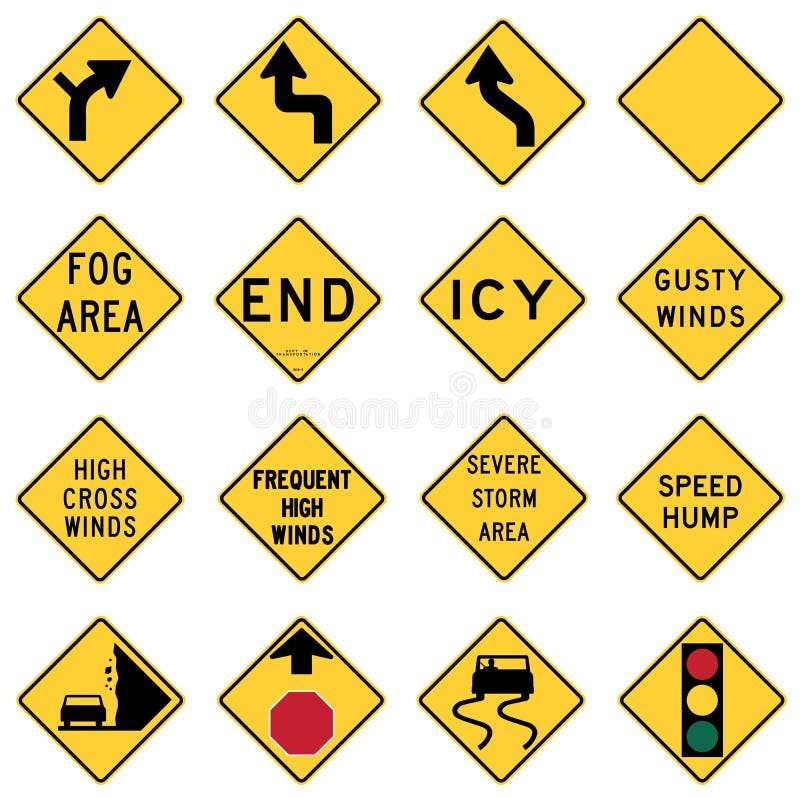
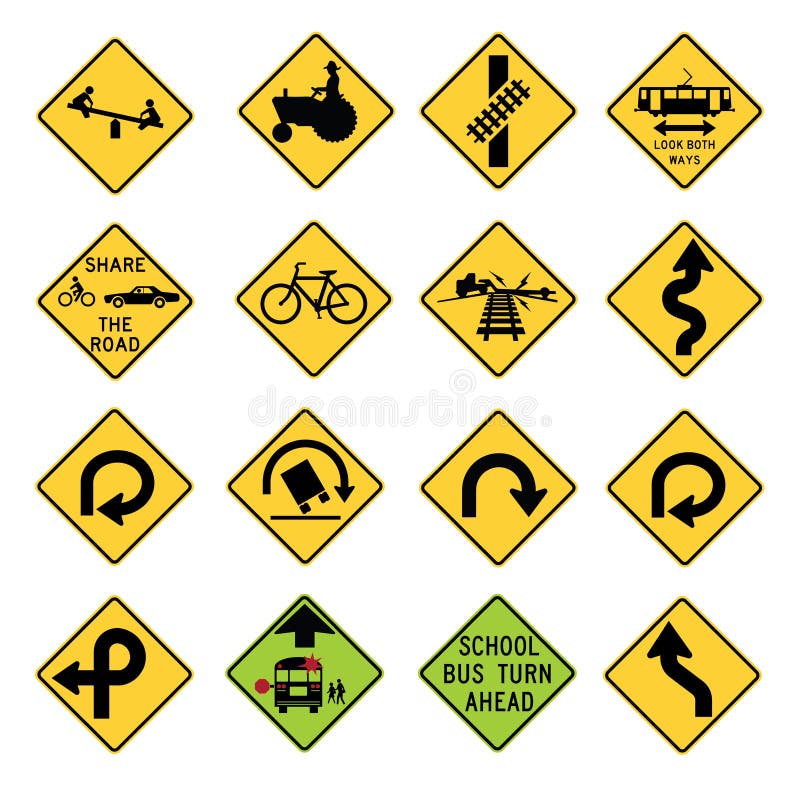
Free with trial Vector Illustration collection of the select Traffic Signs in the United States, isolated on white background. You can find other road signs in my portfolio. EPS file available. Warning signs are found in the W series of the national MUTCD. They highlight existing conditions, such as a curve, school, dead end street, or traffic signal. They can also warn possible danger such as bumps, bicycles, low flying aircraft or emergency vehicles. These signs are either yellow or fluorescent yellow in color and with the exception of a few signs are usually diamond shaped and sometimes have square or rectangular smaller signs or plaques associated with them. Most W series signs can also be found in with orange backgrounds, for temporary use in situations such as construction zones. Some of the temporary use signs are only for use in temporary situations. In the United States, road signs are, for the most part, standardized by federal regulations, most notably in the Manual on Uniform Traffic Control Devices (MUTCD) and its companion volume the Standard Highway Signs (SHS). There currently are no plans for adopting the Vienna Convention on Road Signs and Signals standards. Twenty-three states along with the District of Columbia and Puerto Rico use the manual without any alterations, 20 states have adopted it in conjunction with a supplemental volume, and seven states have a state version in substantial conformance to the MUTCD. There are also localized versions that are used in large cities such as New York City which use a naming system compatible with the MUTCD and/or state supplement. The MUTCD and SHS establish seven general categories of signs for road and highway use. Included illustrations are select examples of the MUTCD Warning Signs categories. Zone vectors Traffic Warning Signs in the United States. Vector Illustration collection of the select Traffic Signs in the United States, isolated on white background. You. Vector Illustration collection of the select Traffic Signs in the United States, isolated on white background. You can find other road signs in my portfolio. EPS file available. Warning signs are found in the W series of the national MUTCD. They highlight existing conditions, such as a curve, school, dead end street, or traffic signal. They can also warn possible danger such as bumps, bicycles, low flying aircraft or emergency vehicles. These signs are either yellow or fluorescent yellow in color and with the exception of a few signs are usually diamond shaped and sometimes have square or rectangular smaller signs or plaques associated with them. Most W series signs can also be found in with orange backgrounds, for temporary use in situations such as construction zones. Some of the temporary use signs are only for use in temporary situations. In the United States, road signs are, for the most part, standardized by federal regulations, most notably in the Manual on Uniform Traffic Control Devices (MUTCD) and its companion volume the Standard Highway Signs (SHS). There currently are no plans for adopting the Vienna Convention on Road Signs and Signals standards. Twenty-three states along with the District of Columbia and Puerto Rico use the manual without any alterations, 20 states have adopted it in conjunction with a supplemental volume, and seven states have a state version in substantial conformance to the MUTCD. There are also localized versions that are used in large cities such as New York City which use a naming system compatible with the MUTCD and/or state supplement. The MUTCD and SHS establish seven general categories of signs for road and highway use. Included illustrations are select examples of the MUTCD Warning Signs categories.
Free with trial Vector Illustration collection of the select Traffic Signs in the United States, isolated on white background. You can find other road signs in my portfolio. EPS file available. Warning signs are found in the W series of the national MUTCD. They highlight existing conditions, such as a curve, school, dead end street, or traffic signal. They can also warn possible danger such as bumps, bicycles, low flying aircraft or emergency vehicles. These signs are either yellow or fluorescent yellow in color and with the exception of a few signs are usually diamond shaped and sometimes have square or rectangular smaller signs or plaques associated with them. Most W series signs can also be found in with orange backgrounds, for temporary use in situations such as construction zones. Some of the temporary use signs are only for use in temporary situations. In the United States, road signs are, for the most part, standardized by federal regulations, most notably in the Manual on Uniform Traffic Control Devices (MUTCD) and its companion volume the Standard Highway Signs (SHS). There currently are no plans for adopting the Vienna Convention on Road Signs and Signals standards. Twenty-three states along with the District of Columbia and Puerto Rico use the manual without any alterations, 20 states have adopted it in conjunction with a supplemental volume, and seven states have a state version in substantial conformance to the MUTCD. There are also localized versions that are used in large cities such as New York City which use a naming system compatible with the MUTCD and/or state supplement. The MUTCD and SHS establish seven general categories of signs for road and highway use. Included illustrations are select examples of the MUTCD Warning Signs categories. Zone vectors Traffic Warning Signs in the United States. Vector Illustration collection of the select Traffic Signs in the United States, isolated on white background. You. Vector Illustration collection of the select Traffic Signs in the United States, isolated on white background. You can find other road signs in my portfolio. EPS file available. Warning signs are found in the W series of the national MUTCD. They highlight existing conditions, such as a curve, school, dead end street, or traffic signal. They can also warn possible danger such as bumps, bicycles, low flying aircraft or emergency vehicles. These signs are either yellow or fluorescent yellow in color and with the exception of a few signs are usually diamond shaped and sometimes have square or rectangular smaller signs or plaques associated with them. Most W series signs can also be found in with orange backgrounds, for temporary use in situations such as construction zones. Some of the temporary use signs are only for use in temporary situations. In the United States, road signs are, for the most part, standardized by federal regulations, most notably in the Manual on Uniform Traffic Control Devices (MUTCD) and its companion volume the Standard Highway Signs (SHS). There currently are no plans for adopting the Vienna Convention on Road Signs and Signals standards. Twenty-three states along with the District of Columbia and Puerto Rico use the manual without any alterations, 20 states have adopted it in conjunction with a supplemental volume, and seven states have a state version in substantial conformance to the MUTCD. There are also localized versions that are used in large cities such as New York City which use a naming system compatible with the MUTCD and/or state supplement. The MUTCD and SHS establish seven general categories of signs for road and highway use. Included illustrations are select examples of the MUTCD Warning Signs categories.
Free with trial Road Sign Warning - School. School warning sign on white. EPS file available. Zone vectors Road Sign Warning - School. School warning sign on white. EPS file available
Free with trial Barbed wire frame vector. Vector barbed wire frame pattern isolated on white. Zone vectors Barbed wire frame vector. Vector barbed wire frame pattern isolated on white
Free with trial Simple Set of Global Business Related Color Vector Line Icons. Contains such Icons as Global Strategy, Outsourcing, Agreements and more. Editable Stroke. 64x64 Pixel Perfect. Zone vectors Line Global Business Icons. Simple Set of Global Business Related Color Vector Line Icons. Contains such Icons as Global Strategy, Outsourcing, Agreements and. Simple Set of Global Business Related Color Vector Line Icons. Contains such Icons as Global Strategy, Outsourcing, Agreements and more. Editable Stroke. 64x64 Pixel Perfect.
Free with trial Human tongue. Taste receptors of the tongue are present in papillae, and are the receptors of taste. basic tastes sweet, sour, bitter and salty. Zone vectors Human tongue. Taste receptors of the tongue are present in papillae, and are the receptors of taste. basic tastes sweet, sour, bitter and salty
Free with trial Reflexology foot massage points. Reflexology zones, massage signs and colored points. Zone vectors Reflexology foot massage points. Reflexology zones, massage signs and colored points
Free with trial Vector abstract dots background. Vector halftone dots for backgrounds and design. Zone vectors Vector abstract dots background. Vector halftone dots for backgrounds and design
Free with trial World standard time zones vector map. World standard time zones vector high detailed map. Zone vectors World standard time zones vector map. World standard time zones vector high detailed map
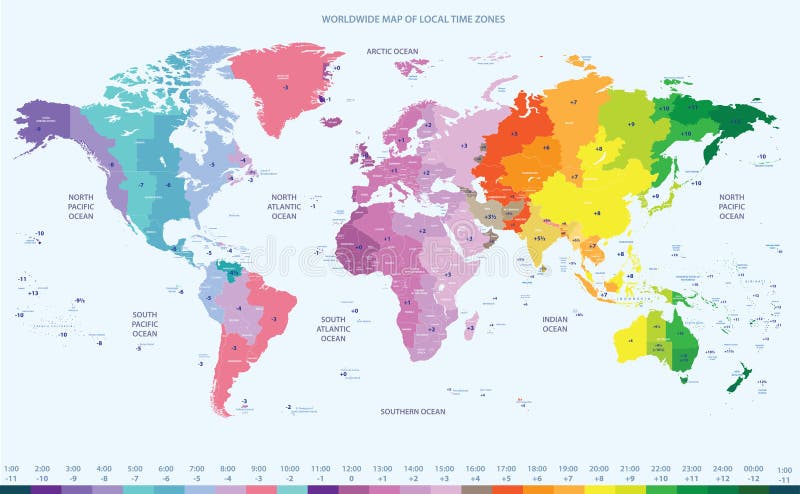
Free with trial Color worldwide map of local time zones. Vector color worldwide map of local time zones. Zone vectors Color worldwide map of local time zones. Vector color worldwide map of local time zones
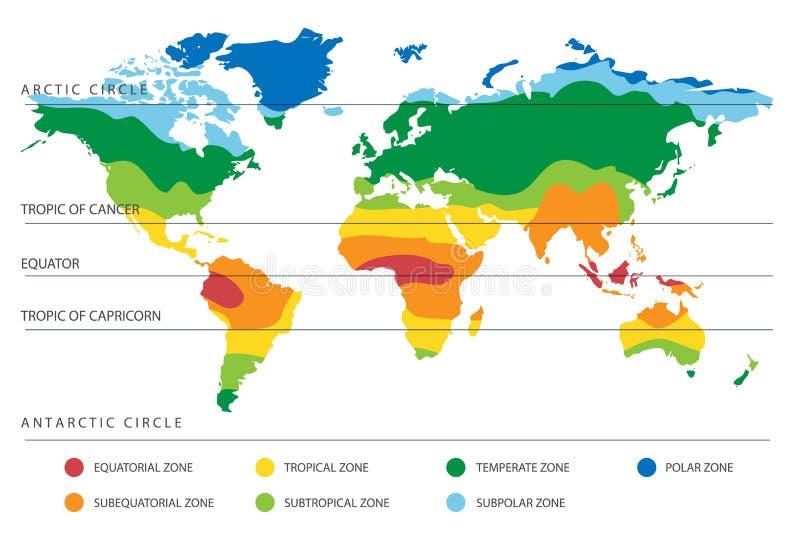
Free with trial World Climate Map with Temperature Zones. World climate zones map with equator and tropic lines. Vector illustration. Zone vectors World Climate Map with Temperature Zones. World climate zones map with equator and tropic lines. Vector illustration
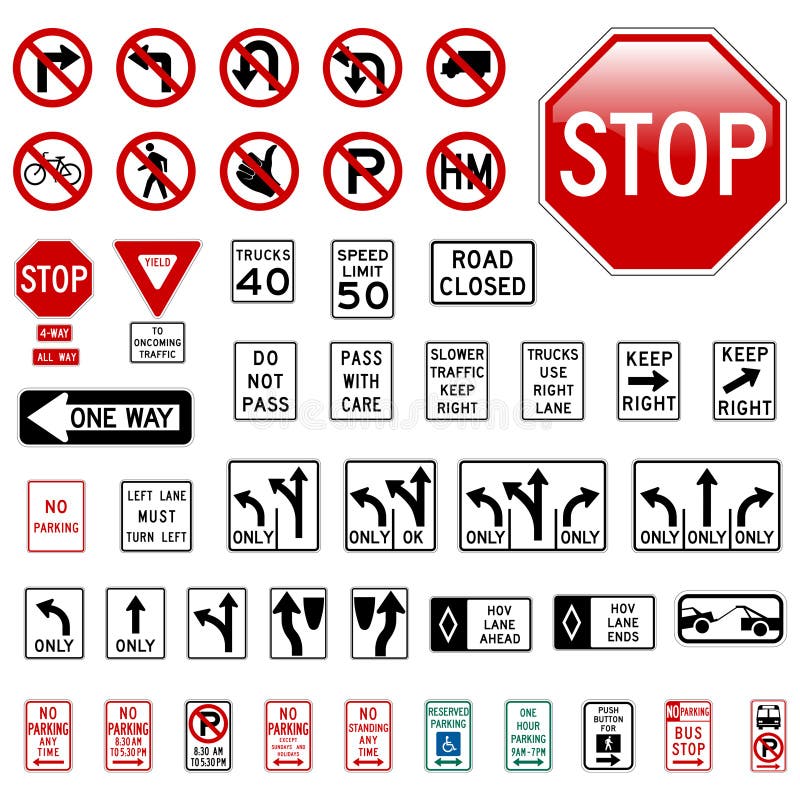
Free with trial Road Signs. Road Sign Set #1 - Regulatory. Zone vectors Road Signs. Road Sign Set #1 - Regulatory
Free with trial Happy cute little kid girl playing with toys. Zone vectors Happy cute little kid girl playing with toys
Free with trial Speeding Car. Ignoring signs and signals. Zone vectors Speeding Car. Ignoring signs and signals
Free with trial The basic types of tsunami. Zone vectors Tsunami waves. The basic types of tsunami. The basic types of tsunami.
Free with trial Attention UFO. Wanring Sign: Attention UFO - including clipping path. Zone vectors Attention UFO. Wanring Sign: Attention UFO - including clipping path
Free with trial Wifi cup icon. Internet icon: hot cup with wifi wireless signal. Zone vectors Wifi cup icon. Internet icon: hot cup with wifi wireless signal
Free with trial Flat 3d isometric shopping mall concept vector. City shopping center, boutique gallery indoor interior floors with walking shoppers. Sale, entertainment, multi-use, retail store business concept. Zone vectors Flat 3d isometric shopping mall concept vector. City shopping center, boutique gallery indoor interior floors with walking shoppers. Sale, entertainment, multi
 Sign in