Free with trial AI web crawler workflow showing automated website collection, HTML parsing and cleaning, entity extraction, duplicate detection, and transformation of unstructured web content into structured searchable knowledge. Generated by AI. Data preprocessing illustrations AI Web Crawler Agent for Data Extraction HTML Parsing Entity Recognition Duplicate Detection and Knowledge Base Creation. AI web crawler workflow showing. AI web crawler workflow showing automated website collection, HTML parsing and cleaning, entity extraction, duplicate detection, and transformation of unstructured web content into structured searchable knowledge. Generated by AI.
Free with trial This illustration captures the core principles of unsupervised learning, a crucial branch of artificial intelligence. Unsupervised learning algorithms excel at identifying patterns and structures within datasets without predefined labels or categories. Unlike supervised learning, where algorithms are trained on labeled data, unsupervised methods discover hidden relationships and insights. Data preprocessing illustrations Unveiling Unsupervised Learning A Deep Dive into AI Algorithm Design and Modern Applications. This illustration captures the core principles of unsupervised. This illustration captures the core principles of unsupervised learning, a crucial branch of artificial intelligence. Unsupervised learning algorithms excel at identifying patterns and structures within datasets without predefined labels or categories. Unlike supervised learning, where algorithms are trained on labeled data, unsupervised methods discover hidden relationships and insights
Free with trial Analyzing time series data in low-light conditions presents unique challenges, but also reveals hidden opportunities for forecasting future trends. This analysis leverages sophisticated algorithms to extract meaningful information from historical data, even in dimly lit environments. By meticulously tracking and interpreting patterns within these time series, we can identify subtle shifts and. Data preprocessing illustrations Uncovering Future Trends Through LowLight Time Series Analysis Illuminating Patterns in Historical Data for Predictive. Analyzing time series data in low-light. Analyzing time series data in low-light conditions presents unique challenges, but also reveals hidden opportunities for forecasting future trends. This analysis leverages sophisticated algorithms to extract meaningful information from historical data, even in dimly lit environments. By meticulously tracking and interpreting patterns within these time series, we can identify subtle shifts and
Free with trial An abstract diagram illustrating machine learning model optimization processes like data preprocessing, hyperparameter tuning, feature engineering, model engineering, model evaluation, and deployment strategy, displayed on a digital interface with a cityscape background. Data preprocessing illustrations Machine learning model optimization diagram displayed on a futuristic screen in an office. An abstract diagram illustrating machine learning model optimization. An abstract diagram illustrating machine learning model optimization processes like data preprocessing, hyperparameter tuning, feature engineering, model engineering, model evaluation, and deployment strategy, displayed on a digital interface with a cityscape background
Free with trial Unsupervised learning, a fascinating branch of machine learning, is a powerful technique for extracting knowledge from unlabeled data. Unlike supervised learning, which relies on labeled datasets, unsupervised learning algorithms discover hidden patterns, structures, and relationships within the data without explicit guidance. This thin line illustration captures the essence of this abstract. Data preprocessing illustrations Unveiling Unsupervised Learning A Deep Dive into the Abstract World of Machine Learning with a Thin Line Illustration. Unsupervised learning, a fascinating. Unsupervised learning, a fascinating branch of machine learning, is a powerful technique for extracting knowledge from unlabeled data. Unlike supervised learning, which relies on labeled datasets, unsupervised learning algorithms discover hidden patterns, structures, and relationships within the data without explicit guidance. This thin line illustration captures the essence of this abstract
Free with trial Deep learning stamp on white. Background. Data preprocessing illustrations Deep learning stamp on white. Background
Free with trial Machine learning on blue. Background. Data preprocessing illustrations Machine learning on blue. Background
Free with trial Principal component analysis on white paper. Background. Data preprocessing illustrations Principal component analysis on white paper. Background
Free with trial Cubes form the expressions DL (deep learning) and ML (machine learning). Data preprocessing illustrations Cubes form the expressions DL (deep learning) and ML (machine learning). Cubes form the expressions DL (deep learning) and ML (machine learning
Free with trial Scikit Learn Vector Icon. Scikit Learn Modern Outline Style Icon Design. Data preprocessing vectors Scikit Learn Vector Icon. Scikit Learn Modern Outline Style Icon Design
Free with trial Feature Engineering Vector Icon. Feature Engineering Modern Outline Style Icon Design. Data preprocessing vectors Feature Engineering Vector Icon. Feature Engineering Modern Outline Style Icon Design
Free with trial Nlp infographic template with text video audio input output diagram, flat style. Vector. Data preprocessing illustrations Nlp infographic template with text video audio input output diagram, flat style. Vector
Free with trial This diagram illustrates the process of lemmatization and stemming in natural language processing, showing how words are reduced to their base or root forms through different linguistic techniques. The diagram highlights the transformation of the word 'humation' to its root form 'belaas' and further to 'root', demonstrating the steps involved in text normalization. Data preprocessing illustrations Lemmatization and Stemming Process in Natural Language Processing. This diagram illustrates the process of lemmatization and stemming in natural language. This diagram illustrates the process of lemmatization and stemming in natural language processing, showing how words are reduced to their base or root forms through different linguistic techniques. The diagram highlights the transformation of the word 'humation' to its root form 'belaas' and further to 'root', demonstrating the steps involved in text normalization
Free with trial Nlp project lifecycle framework infographic template with eight step hub diagram, flat style. Vector. Data preprocessing illustrations Nlp project lifecycle framework infographic template with eight step hub diagram, flat style. Vector
Free with trial Nlp infographic template with lightbulb introduction topic modeling entity diagram, flat style. Vector. Data preprocessing illustrations Nlp infographic template with lightbulb introduction topic modeling entity diagram, flat style. Vector
Free with trial Deep learning traffic sign on blue sky. Background. Data preprocessing illustrations Deep learning traffic sign on blue sky. Background
Free with trial The image illustrates the deep learning image classification process. It consists of four steps: preprocess image, run model, predict label, and store results. The infographic uses a white background with blue and teal graphics and text. The image classification process begins with preprocessing the image, then running a model, predicting a label, and finally storing the results. Data preprocessing illustrations Deep learning image classification process. The image illustrates the deep learning image classification process. It consists of four steps: preprocess image. The image illustrates the deep learning image classification process. It consists of four steps: preprocess image, run model, predict label, and store results. The infographic uses a white background with blue and teal graphics and text. The image classification process begins with preprocessing the image, then running a model, predicting a label, and finally storing the results.
Free with trial Machine learning process flowchart diagram. A circular flowchart illustrating the machine learning process and its various stages. Data preprocessing illustrations Machine learning process flowchart diagram. A circular flowchart illustrating the machine learning process and its various stages
Free with trial This infographic illustrates four strategies for handling imbalanced datasets in machine learning: oversampling the minority class, undersampling the majority class, adjusting class weights, and training isolated models. These techniques aim to mitigate the impact of class imbalance on model performance, ensuring more accurate predictions and better representation of underrepresented groups. Data preprocessing illustrations Addressing Imbalanced Datasets: Strategies for Machine Learning. This infographic illustrates four strategies for handling imbalanced datasets in machine. This infographic illustrates four strategies for handling imbalanced datasets in machine learning: oversampling the minority class, undersampling the majority class, adjusting class weights, and training isolated models. These techniques aim to mitigate the impact of class imbalance on model performance, ensuring more accurate predictions and better representation of underrepresented groups.
Free with trial Training scanning machine learning model illustration prediction classification, neural network, feature extraction training scanning machine learning model. Data preprocessing illustrations Training scanning machine learning model. Illustration prediction classification, neural network, feature extraction AI generated. training scanning machine learning model illustration prediction classification, neural network, feature extraction training scanning machine learning model
Free with trial Analysis metal backgrounds illustration patterns trends, algorithms insights, clustering classification analysis metal backgrounds. Data preprocessing illustrations Analysis metal backgrounds. Illustration patterns trends, algorithms insights, clustering classification AI generated. analysis metal backgrounds illustration patterns trends, algorithms insights, clustering classification analysis metal backgrounds
Free with trial Challenge of code-switching in natural language processing and presents a modern AI-driven solution using language-agnostic embeddings and trained multilingual corpora. Data preprocessing illustrations Code-Switching NLP Solution Enhances Multilingual Text Processing – AI Data Visualization Illustration. Challenge of code-switching in natural language. challenge of code-switching in natural language processing and presents a modern AI-driven solution using language-agnostic embeddings and trained multilingual corpora.
Free with trial This modern icon pack presents 21 well-defined visuals covering the core aspects of artificial intelligence and machine learning. From supervised and unsupervised learning to AI ethics, model evaluation, and neural networks, each icon is crafted to simplify complex concepts. The grid-based structure and minimal design ensure quick comprehension and integration for web platforms, apps, or educational tools related to AI systems, edge devices, and smart automation. Data preprocessing vectors Decoded Intelligence – AI Systems & Learning Mechanisms Icon Collection. This modern icon pack presents 21 well-defined visuals covering the core aspects of. This modern icon pack presents 21 well-defined visuals covering the core aspects of artificial intelligence and machine learning. From supervised and unsupervised learning to AI ethics, model evaluation, and neural networks, each icon is crafted to simplify complex concepts. The grid-based structure and minimal design ensure quick comprehension and integration for web platforms, apps, or educational tools related to AI systems, edge devices, and smart automation.
Free with trial Natural language processing on blue. Background. Data preprocessing illustrations Natural language processing on blue. Background
Free with trial Dimensionality Reduction Vector Icon. Dimensionality Reduction Modern Outline Style Icon Design. Data preprocessing vectors Dimensionality Reduction Vector Icon. Dimensionality Reduction Modern Outline Style Icon Design
Free with trial This icon represents prompt engineering, showing how unstructured human intent is refined into a structured instruction for a large language model. The geometry shows a person paired with input lines feeding downward into a bordered panel containing an evaluation stage (radial and bar-chart marks) and a selection stage (a row of circle and triangle marks with one filled node), which resolves into a single output line below. It suits AI workflow diagrams, prompt design documentation, and LLM tooling interfaces. Single path, scalable vector, production ready for print and screen use. Data preprocessing vectors Prompt Engineering Icon-Human Intent Evaluated and Selected Into Structured LLM Instruction, AI Workflow Vector Symbol. This icon represents prompt engineering. This icon represents prompt engineering, showing how unstructured human intent is refined into a structured instruction for a large language model. The geometry shows a person paired with input lines feeding downward into a bordered panel containing an evaluation stage (radial and bar-chart marks) and a selection stage (a row of circle and triangle marks with one filled node), which resolves into a single output line below. It suits AI workflow diagrams, prompt design documentation, and LLM tooling interfaces. Single path, scalable vector, production ready for print and screen use.
Free with trial Machine learning process flowchart icons set. Collection of icons illustrating key stages in machine learning workflows and model development processes. Data preprocessing illustrations Machine learning process flowchart icons set. Collection of icons illustrating key stages in machine learning workflows and model development processes
Free with trial Artificial Intelligence (AI) in pharmaceutical management may include the use of algorithms and feedback loop. Data preprocessing illustrations Artificial Intelligence (AI) in pharmaceutical management. May include the use of algorithms and feedback loop
Free with trial Natural Language Processing concept. NLP poster. AI and linguistics technology analyze and interpret human language. Microphone and waveform. Chatbots, voice assistants, and sentiment analysis vector. Data preprocessing vectors Natural language processing. Concept. NLP poster. AI and linguistics technology analyze and interpret human language. Microphone and waveform. Chatbots, voice. Natural Language Processing concept. NLP poster. AI and linguistics technology analyze and interpret human language. Microphone and waveform. Chatbots, voice assistants, and sentiment analysis vector
Free with trial Natural Language Processing concept. NLP poster. AI and linguistics technology analyze and interpret human language. Microphone and waveform. Chatbots, voice assistants, and sentiment analysis vector. Data preprocessing vectors Natural language processing. Concept. NLP poster. AI and linguistics technology analyze and interpret human language. Microphone and waveform. Chatbots, voice. Natural Language Processing concept. NLP poster. AI and linguistics technology analyze and interpret human language. Microphone and waveform. Chatbots, voice assistants, and sentiment analysis vector
Free with trial Set of icons representing computer vision and image processing techniques like enhancement, filtering, edge detection, and more. Data preprocessing illustrations Computer vision and image processing concept icons set. Set of icons representing computer vision and image processing techniques like enhancement, filtering. Set of icons representing computer vision and image processing techniques like enhancement, filtering, edge detection, and more
Free with trial A tech specialist interacts directly with a futuristic holographic touchscreen interface to manage neural network models inside server room. Data preprocessing illustrations Engineer Interacting With Interactive Holographic Machine Learning Interface Display. A tech specialist interacts directly with a futuristic holographic. A tech specialist interacts directly with a futuristic holographic touchscreen interface to manage neural network models inside server room.
Free with trial This infographic visually breaks down the core concepts of TinyML (Tiny Machine Learning) and embedded machine learning. It illustrates key stages and components including sensor input, data acquisition, ADC & preprocessing, feature extraction, TinyML models, training & optimization, quantization, network pruning, model compression, TFLite Micro, deployment, embedded processors (ARM), memory constraints, power efficiency, edge computing, real-time inference, keyword spotting, hardware acceleration (DSP NPU), anomaly detection, gesture recognition, and image classification. This graphic is ideal for educational materials, presentations, and technical documentation related to IoT, edge AI, and embedded systems. Data preprocessing vectors TinyML Fundamentals Embedded Machine Learning Concepts Icons Set Sensor Input, ADC, Feature. This infographic visually breaks down the core concepts of TinyML (. This infographic visually breaks down the core concepts of TinyML (Tiny Machine Learning) and embedded machine learning. It illustrates key stages and components including sensor input, data acquisition, ADC & preprocessing, feature extraction, TinyML models, training & optimization, quantization, network pruning, model compression, TFLite Micro, deployment, embedded processors (ARM), memory constraints, power efficiency, edge computing, real-time inference, keyword spotting, hardware acceleration (DSP NPU), anomaly detection, gesture recognition, and image classification. This graphic is ideal for educational materials, presentations, and technical documentation related to IoT, edge AI, and embedded systems.
Free with trial Detail the responsibilities of an artificial intelligence engineer, emphasizing tasks such as developing AI algorithms, programming AI systems, and testing AI applications. Data preprocessing illustrations Artificial Intelligence Engineer. Detail the responsibilities of an artificial intelligence engineer, emphasizing tasks such as developing AI algorithms. Detail the responsibilities of an artificial intelligence engineer, emphasizing tasks such as developing AI algorithms, programming AI systems, and testing AI applications
Free with trial The image shows two side-by-side 3D renderings of a medical scan, likely an MRI or CT, with segmented anatomical structures highlighted in different colors. The top image displays a rough or initial segmentation with less defined boundaries and gaps in the structure. The bottom image shows an improved segmentation with more refined and continuous boundaries, indicating enhanced accuracy and detail. Data preprocessing illustrations Comparison of a 3d medical image segmentation before and after refinement isolated on transparent background, isolated on white. The image shows two side-by-side. The image shows two side-by-side 3D renderings of a medical scan, likely an MRI or CT, with segmented anatomical structures highlighted in different colors. The top image displays a rough or initial segmentation with less defined boundaries and gaps in the structure. The bottom image shows an improved segmentation with more refined and continuous boundaries, indicating enhanced accuracy and detail
Free with trial Distilled biomedical datasets. Healthcare professional showing a digital tablet. Artificial intelligence and medicine concept. Data preprocessing illustrations Distilled biomedical datasets. Healthcare professional showing a digital tablet. Artificial intelligence and medicine concept.
Free with trial Gain a comprehensive overview of supervised machine learning principles in contemporary data science. This aerial perspective illuminates the intricate interplay between model training, evaluation, and inference within modern technological environments. See how these crucial components work together to analyze data, build predictive models, and derive actionable insights. The image showcases the. Data preprocessing illustrations Understanding Supervised Machine Learning An Aerial Perspective on Model Training Evaluation and Inference in Modern. Gain a comprehensive overview of supervised. Gain a comprehensive overview of supervised machine learning principles in contemporary data science. This aerial perspective illuminates the intricate interplay between model training, evaluation, and inference within modern technological environments. See how these crucial components work together to analyze data, build predictive models, and derive actionable insights. The image showcases the
Free with trial Data Collection: Gather a large dataset of images featuring pink lily flowers. This dataset would ideally cover a wide range of angles, lighting conditions, and variations in the appearance of the flowers. Data Preprocessing: Preprocess the images to standardize their size, color spaces, and remove any irrelevant background noise. This step ensures consistency in the dataset and helps the AI model focus on the relevant features. Model Training: Train a generative AI model, such as a Generative Adversarial Network (GAN) or a Variation al Auto encoder (AVE), using the preprocessed image dataset. The model learns the underlying patterns and features of pink lily flowers during this training process. Data preprocessing illustrations Pink Lily Flowers Generative AI. Data Collection: Gather a large dataset of images featuring pink lily flowers. This dataset would ideally cover a wide range of. Data Collection: Gather a large dataset of images featuring pink lily flowers. This dataset would ideally cover a wide range of angles, lighting conditions, and variations in the appearance of the flowers. Data Preprocessing: Preprocess the images to standardize their size, color spaces, and remove any irrelevant background noise. This step ensures consistency in the dataset and helps the AI model focus on the relevant features. Model Training: Train a generative AI model, such as a Generative Adversarial Network (GAN) or a Variation al Auto encoder (AVE), using the preprocessed image dataset. The model learns the underlying patterns and features of pink lily flowers during this training process.
Free with trial Data Collection: Gather a large dataset of images featuring pink lily flowers. This dataset would ideally cover a wide range of angles, lighting conditions, and variations in the appearance of the flowers. Data Preprocessing: Preprocess the images to standardize their size, color spaces, and remove any irrelevant background noise. This step ensures consistency in the dataset and helps the AI model focus on the relevant features. Model Training: Train a generative AI model, such as a Generative Adversarial Network (GAN) or a Variation al Auto encoder (VAR), using the preprocessed image dataset. The model learns the underlying patterns and features of pink lily flowers during this training process. Data preprocessing illustrations Pink Lily Flowers Generative AI. Data Collection: Gather a large dataset of images featuring pink lily flowers. This dataset would ideally cover a wide range of. Data Collection: Gather a large dataset of images featuring pink lily flowers. This dataset would ideally cover a wide range of angles, lighting conditions, and variations in the appearance of the flowers.Data Preprocessing: Preprocess the images to standardize their size, color spaces, and remove any irrelevant background noise. This step ensures consistency in the dataset and helps the AI model focus on the relevant features.Model Training: Train a generative AI model, such as a Generative Adversarial Network (GAN) or a Variation al Auto encoder (VAR), using the preprocessed image dataset. The model learns the underlying patterns and features of pink lily flowers during this training process.
Free with trial Data Collection: Gather a large dataset of images featuring pink lily flowers. This dataset would ideally cover a wide range of angles, lighting conditions, and variations in the appearance of the flowers. Data Preprocessing: Preprocess the images to standardize their size, color spaces, and remove any irrelevant background noise. This step ensures consistency in the dataset and helps the AI model focus on the relevant features. Model Training: Train a generative AI model, such as a Generative Adversarial Network (GAN) or a Variation al Auto encoder (AVE), using the preprocessed image dataset. The model learns the underlying patterns and features of pink lily flowers during this training process. Data preprocessing illustrations Pink Lily Flowers Generative AI. Data Collection: Gather a large dataset of images featuring pink lily flowers. This dataset would ideally cover a wide range of. Data Collection: Gather a large dataset of images featuring pink lily flowers. This dataset would ideally cover a wide range of angles, lighting conditions, and variations in the appearance of the flowers.Data Preprocessing: Preprocess the images to standardize their size, color spaces, and remove any irrelevant background noise. This step ensures consistency in the dataset and helps the AI model focus on the relevant features.Model Training: Train a generative AI model, such as a Generative Adversarial Network (GAN) or a Variation al Auto encoder (AVE), using the preprocessed image dataset. The model learns the underlying patterns and features of pink lily flowers during this training process.
Free with trial Navigating Neural Network Creation - A Five-Step Journey to Success. Five Essential Steps to Building a Neural Network - Your Guide to Mastery. Data preprocessing vectors Navigating Neural Network Creation - A Five-Step Journey to Success. Five Essential Steps to Building a Neural Network - Your Guide to Mastery
Free with trial Generating a cicada image on a white background using Generative AI involves training a model to understand the characteristics of cicadas and then generating images with a specified white background. One popular approach is to use a Generative Adversarial Network (GAN) for this purpose. Here's a general outline of the steps: Data Collection: Gather a dataset of cicada images. Ensure that the images have transparent backgrounds or remove the existing backgrounds and replace them with white. Data Preprocessing: Resize the images to a uniform size and preprocess them as necessary. Normalize the pixel values if required. Model Selection: Choose a GAN architecture suitable for generating cicada images. You may use existing architectures like UGANDAN, Style's, etc. Model Training: Train the selected GAN architecture on the cicada dataset. The generator will learn to generate images resembling cicadas, and the discriminator will learn to distinguish between real and fake cicada images. Generating Images: Once the model is trained, use the generator network to generate cicada images. Specify a white background during the generation process. Data preprocessing illustrations Cicada on white background Generative AI. Generating a cicada image on a white background using Generative AI involves training a model to understand the. Generating a cicada image on a white background using Generative AI involves training a model to understand the characteristics of cicadas and then generating images with a specified white background. One popular approach is to use a Generative Adversarial Network (GAN) for this purpose. Here's a general outline of the steps: Data Collection: Gather a dataset of cicada images. Ensure that the images have transparent backgrounds or remove the existing backgrounds and replace them with white. Data Preprocessing: Resize the images to a uniform size and preprocess them as necessary. Normalize the pixel values if required. Model Selection: Choose a GAN architecture suitable for generating cicada images. You may use existing architectures like UGANDAN, Style's, etc. Model Training: Train the selected GAN architecture on the cicada dataset. The generator will learn to generate images resembling cicadas, and the discriminator will learn to distinguish between real and fake cicada images. Generating Images: Once the model is trained, use the generator network to generate cicada images. Specify a white background during the generation process.
Free with trial Generating a cicada image on a white background using Generative AI involves training a model to understand the characteristics of cicadas and then generating images with a specified white background. One popular approach is to use a Generative Adversarial Network (GAN) for this purpose. Here's a general outline of the steps: Data Collection: Gather a dataset of cicada images. Ensure that the images have transparent backgrounds or remove the existing backgrounds and replace them with white. Data Preprocessing: Resize the images to a uniform size and preprocess them as necessary. Normalize the pixel values if required. Model Selection: Choose a GAN architecture suitable for generating cicada images. You may use existing architectures like DCGAN, StyleGAN, etc. Model Training: Train the selected GAN architecture on the cicada dataset. The generator will learn to generate images resembling cicadas, and the discriminator will learn to distinguish between real and fake cicada images. Generating Images: Once the model is trained, use the generator network to generate cicada images. Specify a white background during the generation process. Data preprocessing illustrations Cicada on white background Generative AI. Generating a cicada image on a white background using Generative AI involves training a model to understand the. Generating a cicada image on a white background using Generative AI involves training a model to understand the characteristics of cicadas and then generating images with a specified white background. One popular approach is to use a Generative Adversarial Network (GAN) for this purpose. Here's a general outline of the steps: Data Collection: Gather a dataset of cicada images. Ensure that the images have transparent backgrounds or remove the existing backgrounds and replace them with white. Data Preprocessing: Resize the images to a uniform size and preprocess them as necessary. Normalize the pixel values if required. Model Selection: Choose a GAN architecture suitable for generating cicada images. You may use existing architectures like DCGAN, StyleGAN, etc. Model Training: Train the selected GAN architecture on the cicada dataset. The generator will learn to generate images resembling cicadas, and the discriminator will learn to distinguish between real and fake cicada images. Generating Images: Once the model is trained, use the generator network to generate cicada images. Specify a white background during the generation process.
Free with trial Generating a cicada image on a white background using Generative AI involves training a model to understand the characteristics of cicadas and then generating images with a specified white background. One popular approach is to use a Generative Adversarial Network (GAN) for this purpose. Here's a general outline of the steps: Data Collection: Gather a dataset of cicada images. Ensure that the images have transparent backgrounds or remove the existing backgrounds and replace them with white. Data Preprocessing: Resize the images to a uniform size and preprocess them as necessary. Normalize the pixel values if required. Model Selection: Choose a GAN architecture suitable for generating cicada images. You may use existing architectures like DCGAN, StyleGAN, etc. Model Training: Train the selected GAN architecture on the cicada dataset. The generator will learn to generate images resembling cicadas, and the discriminator will learn to distinguish between real and fake cicada images. Generating Images: Once the model is trained, use the generator network to generate cicada images. Specify a white background during the generation process. Data preprocessing illustrations Cicada on white background Generative AI. Generating a cicada image on a white background using Generative AI involves training a model to understand the. Generating a cicada image on a white background using Generative AI involves training a model to understand the characteristics of cicadas and then generating images with a specified white background. One popular approach is to use a Generative Adversarial Network (GAN) for this purpose. Here's a general outline of the steps: Data Collection: Gather a dataset of cicada images. Ensure that the images have transparent backgrounds or remove the existing backgrounds and replace them with white. Data Preprocessing: Resize the images to a uniform size and preprocess them as necessary. Normalize the pixel values if required. Model Selection: Choose a GAN architecture suitable for generating cicada images. You may use existing architectures like DCGAN, StyleGAN, etc. Model Training: Train the selected GAN architecture on the cicada dataset. The generator will learn to generate images resembling cicadas, and the discriminator will learn to distinguish between real and fake cicada images. Generating Images: Once the model is trained, use the generator network to generate cicada images. Specify a white background during the generation process.
Free with trial Detailed examination of a neural network diagnostic test setup evaluation and preparation processes, Generated by AI. Data preprocessing illustrations Detailed examination of a neural network diagnostic test setup evaluation and preparation processes. Generated by AI
Free with trial This cutting-edge approach to machine learning leverages TensorFlow's powerful framework for developing sophisticated algorithms. From fundamental concepts like supervised and unsupervised learning to advanced techniques such as reinforcement learning, this methodology provides a comprehensive understanding of building intelligent systems. The process begins with defining the problem, selecting. Data preprocessing illustrations Intelligent Algorithm Development for Machine Learning using TensorFlow A Comprehensive Approach to Pattern Recognition. This cutting-edge approach to machine. This cutting-edge approach to machine learning leverages TensorFlow's powerful framework for developing sophisticated algorithms. From fundamental concepts like supervised and unsupervised learning to advanced techniques such as reinforcement learning, this methodology provides a comprehensive understanding of building intelligent systems. The process begins with defining the problem, selecting
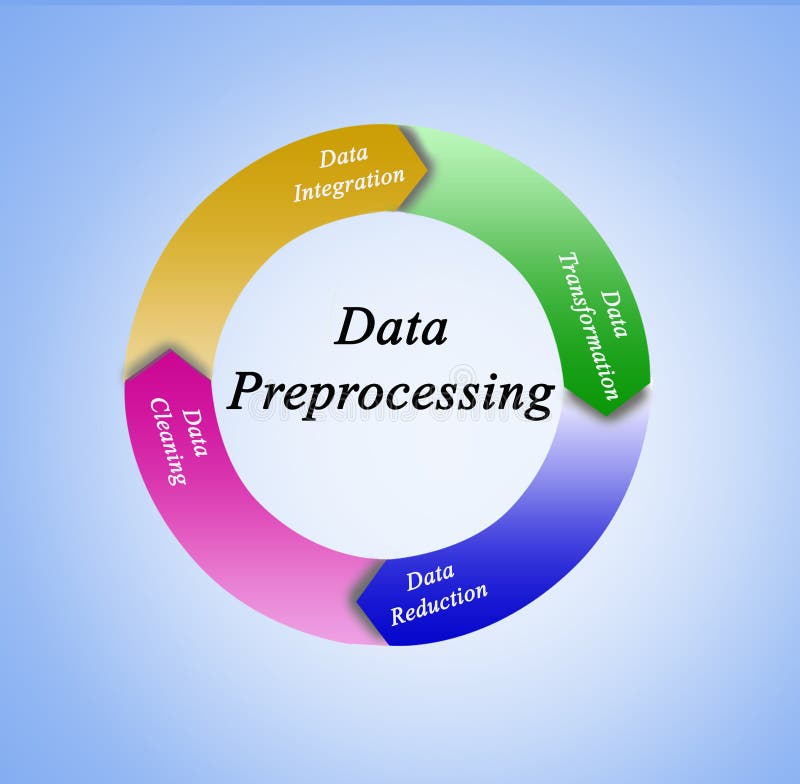
Free with trial Components of Data Preprocessing. Data preprocessing illustrations Components of Data Preprocessing. Four Components of Data Preprocessing
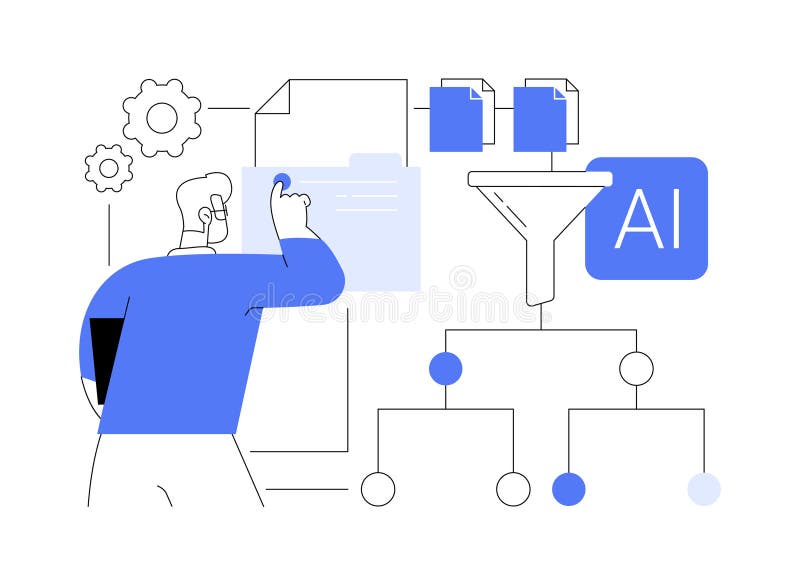
Free with trial AI-Automated Data Preprocessing abstract concept vector illustration. Data Analysis. Automate data cleansing, transformation, and normalization tasks with AI Technology. abstract metaphor. Data preprocessing vectors AI-Automated Data Preprocessing abstract concept vector illustration. Data Analysis. Automate data cleansing, transformation, and normalization tasks with AI
Free with trial Data Wrangling Icon. Data preprocessing icon, Data transformation symbol, Data integration icon, Data formatting symbol, Data reshaping symbol, Data aggregation icon, and Data merging symbol. Data preprocessing vectors Data Wrangling Icon. Data preprocessing icon, Data transformation symbol, Data integration icon, Data formatting symbol. Data Wrangling Icon. Data preprocessing. Data Wrangling Icon. Data preprocessing icon, Data transformation symbol, Data integration icon, Data formatting symbol, Data reshaping symbol, Data aggregation icon, and Data merging symbol.
Free with trial Data Wrangling Icon. Data preprocessing icon, Data transformation symbol, Data integration icon, and Data formatting symbol. Vector Icon. Data preprocessing vectors Data Wrangling Icon. Data preprocessing icon, Data transformation symbol, Data integration icon, Data formatting symbol, Data. Data Wrangling Icon. Data. Data Wrangling Icon. Data preprocessing icon, Data transformation symbol, Data integration icon, and Data formatting symbol. Vector Icon.
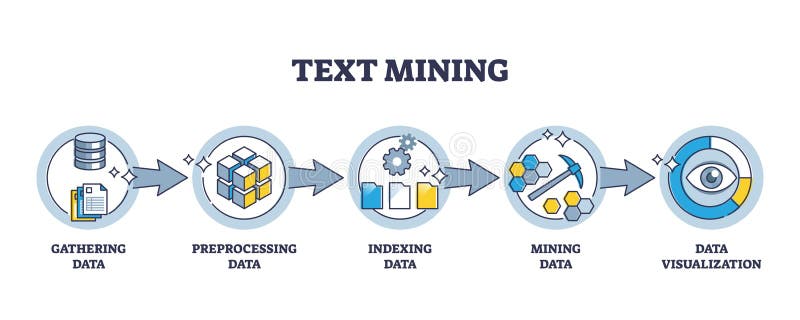
Free with trial Text mining as online written data gathering process steps outline diagram. Labeled educational scheme with information gathering, preprocessing, file indexing and visualization vector illustration. Data preprocessing vectors Text mining as online written data gathering process steps outline diagram. Labeled educational scheme with information gathering, preprocessing, file indexing
Free with trial AI automation in data analysis abstract concept vector illustration set. Text Data Analysis, AI-Automated Data Preprocessing, AI-Anomaly Detection, Natural Language Processing abstract metaphor. Data preprocessing vectors AI automation in data analysis abstract concept vector illustrations. AI automation in data analysis abstract concept vector illustration set. Text Data. AI automation in data analysis abstract concept vector illustration set. Text Data Analysis, AI-Automated Data Preprocessing, AI-Anomaly Detection, Natural Language Processing abstract metaphor.
Free with trial AI automation in data analysis abstract concept vector illustration set. Text Data Analysis, AI-Automated Data Preprocessing, AI-Anomaly Detection, Natural Language Processing abstract metaphor. Data preprocessing vectors AI automation in data analysis abstract concept vector illustrations. AI automation in data analysis abstract concept vector illustration set. Text Data. AI automation in data analysis abstract concept vector illustration set. Text Data Analysis, AI-Automated Data Preprocessing, AI-Anomaly Detection, Natural Language Processing abstract metaphor.
Free with trial Data mining is the process of discovering patterns in large data sets - icon with vector icons and keywords. Data preprocessing illustrations Data mining analysis vector icon illustration. Data mining is the process of discovering patterns in large data sets - icon with vector icons and keywords. Data mining is the process of discovering patterns in large data sets - icon with vector icons and keywords
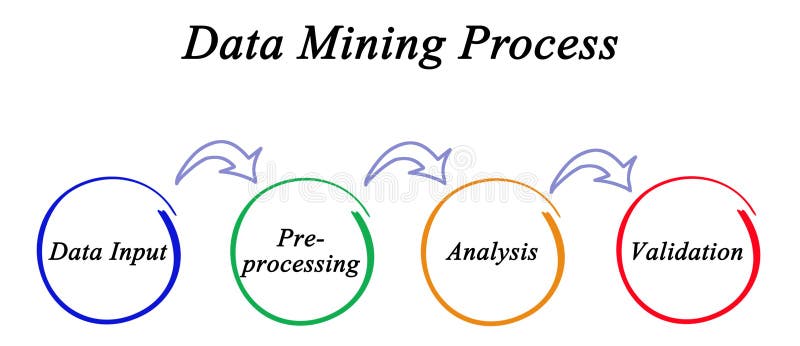
Free with trial Stages of Data Mining Process. Data preprocessing illustrations Stages of Data Mining Process. Four Stages of Data Mining Process
Free with trial Data analysis with magnifier glass on white. Background. Data preprocessing illustrations Data analysis with magnifier glass on white. Background
Free with trial Data science skills button on white. Background. Data preprocessing illustrations Data science skills button on white. Background
Free with trial Data mining traffic sign on blue sky. Background. Data preprocessing illustrations Data mining traffic sign on blue sky. Background
Free with trial Concept Neonatal Development, Statistical Analysis, Microchip Data, Research Methods Analyzing Microchip Data in Neonatal Development Through Statistical Methods. Data preprocessing illustrations Analyzing Microchip Data in Neonatal Development Through Statistical Methods. Concept Neonatal. Concept Neonatal Development, Statistical Analysis, Microchip. Concept Neonatal Development, Statistical Analysis, Microchip Data, Research Methods Analyzing Microchip Data in Neonatal Development Through Statistical Methods
Free with trial Data mining concept on the gearwheels, 3D rendering. Data mining concept on the gearwheels, 3D. Data preprocessing illustrations Data mining concept on the gearwheels, 3D rendering. Data mining concept on the gearwheels, 3D
Free with trial Concept Edge Computing, Data Processing, Network Edge, Cloud Computing, Data Transfer Processing Data at the Network Edge Before Transferring to the Cloud. Data preprocessing illustrations Processing Data at the Network Edge Before Transferring to the Cloud. Concept Edge Computing, Data. Concept Edge Computing, Data Processing, Network Edge, Cloud. Concept Edge Computing, Data Processing, Network Edge, Cloud Computing, Data Transfer Processing Data at the Network Edge Before Transferring to the Cloud
Free with trial Word writing text Data Processing. Business photo showcasing collection and manipulation of items of data to produce Colored memo reminder empty board blank space attach background rectangle. Data preprocessing illustrations Word writing text Data Processing. Business concept for collection and manipulation of items of data to produce Colored memo. Word writing text Data Processing. Word writing text Data Processing. Business photo showcasing collection and manipulation of items of data to produce Colored memo reminder empty board blank space attach background rectangle
Free with trial Filtering data illustration concept vector. Data preprocessing illustrations Filtering data illustration concept vector. Filtering data flat illustration concept vector
Free with trial Concept Edge Computing, Cloud Technology, Data Processing, Network Infrastructure, Data Transfer Processing Data at the Network Edge Before Cloud Transfer An Illustration. Data preprocessing illustrations Processing Data at the Network Edge Before Cloud Transfer - An Illustration. Concept Edge. Concept Edge Computing, Cloud Technology, Data Processing, Network. Concept Edge Computing, Cloud Technology, Data Processing, Network Infrastructure, Data Transfer Processing Data at the Network Edge Before Cloud Transfer An Illustration
Free with trial Concept Data Processing, Network Edge, Cloud Transfer, Illustration, Technology Processing Data at the Network Edge Before Cloud Transfer An Illustration. Data preprocessing illustrations Processing Data at the Network Edge Before Cloud Transfer: An Illustration. Concept Data. Concept Data Processing, Network Edge, Cloud Transfer, Illustration. Concept Data Processing, Network Edge, Cloud Transfer, Illustration, Technology Processing Data at the Network Edge Before Cloud Transfer An Illustration
Free with trial Data mining concept with icon set with big word or text on center. Vector illustration. Data preprocessing vectors Data mining concept with icon set with big word or text on center. Vector illustration
Free with trial Data mining concept with icon concept with round or circle shape for badge. Vector illustration. Data preprocessing vectors Data mining concept with icon concept with round or circle shape for badge. Vector illustration
Free with trial Data mining concept with icon set template banner and circle round shape. Vector illustration. Data preprocessing illustrations Data mining concept with icon set template banner and circle round shape. Vector illustration
Free with trial Data mining concept with icon set template banner with modern blue color style. Vector illustration. Data preprocessing vectors Data mining concept with icon set template banner with modern blue color style. Vector illustration
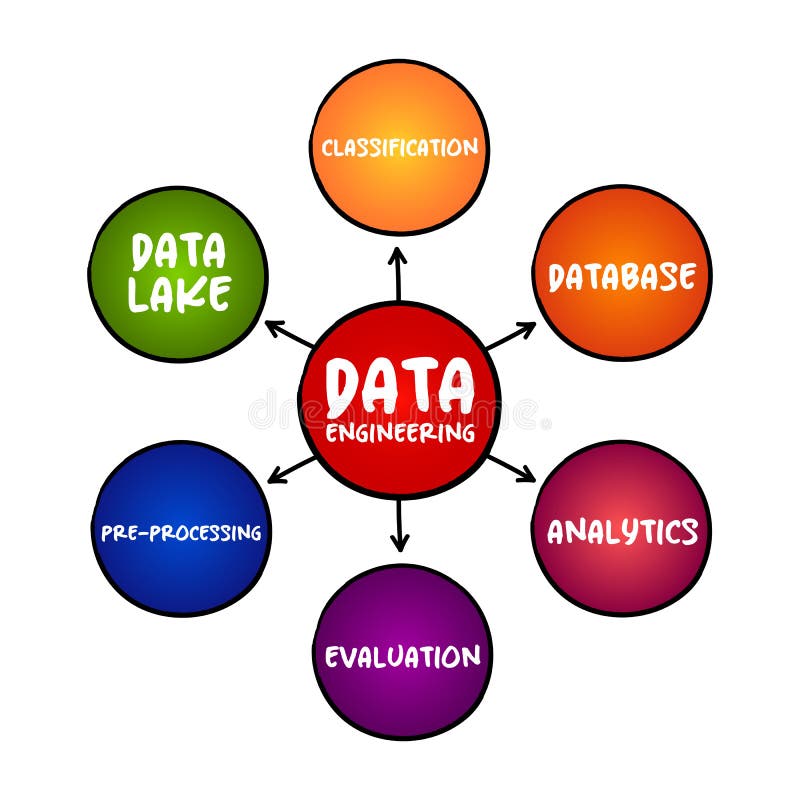
Free with trial Data engineering - software engineering approach to designing and developing information systems, text quote concept message bubble. Data preprocessing illustrations Data engineering - software engineering approach to designing and developing information systems, text quote concept message. Bubble
Free with trial Data mining concept with circle icon for website template or landing page homepage. Vector illustration. Data preprocessing illustrations Data mining concept with circle icon for website template or landing page homepage. Vector illustration
Free with trial Predictive Analytics Stocks Data Science Insight Generative AI. Data Driven Stock Analysis: Predictive Modeling Investment Trends Generative AI. Data preprocessing illustrations Predictive Analytics Stocks Data Science Insight Generative AI. Data Driven Stock Analysis: Predictive Modeling Investment Trends Generative AI
Free with trial Data mining concept for infographic template banner with four point list information. Vector illustration. Data preprocessing illustrations Data mining concept for infographic template banner with four point list information. Vector illustration
Free with trial Data Mining outline icons collection. Extraction, Analysis, Machine learning, Big data, Clustering, Classification. Data preprocessing vectors Data Mining line icons collection. Extraction, Analysis, Machine learning, Big data, Clustering, Classification. Data Mining outline icons collection. Extraction. Data Mining outline icons collection. Extraction, Analysis, Machine learning, Big data, Clustering, Classification
Free with trial Hand writing sign Data Processing, Business overview collection and manipulation of items of data to produce. Data preprocessing illustrations Handwriting text Data Processing. Conceptual photo collection and manipulation of items of data to produce. Hand writing sign Data Processing, Business overview. Hand writing sign Data Processing, Business overview collection and manipulation of items of data to produce
Free with trial Data engineering - software engineering approach to designing and developing information systems, text concept on notepad. Data preprocessing illustrations Data engineering - software engineering approach to designing and developing information systems, text concept on notepad.
Free with trial Data engineering - software engineering approach to designing and developing information systems, text concept on notepad. Data preprocessing illustrations Data engineering - software engineering approach to designing and developing information systems, text concept on notepad
Free with trial Data engineering - software engineering approach to designing and developing information systems. Data preprocessing illustrations Data engineering - software engineering approach to designing and developing information systems.
Free with trial Text sign showing Data Processing, Business idea collection and manipulation of items of data to produce. Data preprocessing illustrations Inspiration showing sign Data Processing. Conceptual photo collection and manipulation of items of data to produce. Text sign showing Data Processing, Business. Text sign showing Data Processing, Business idea collection and manipulation of items of data to produce
Free with trial Data engineering - software engineering approach to designing and developing information systems. Data preprocessing illustrations Data engineering - software engineering approach to designing and developing information systems
 Sign in