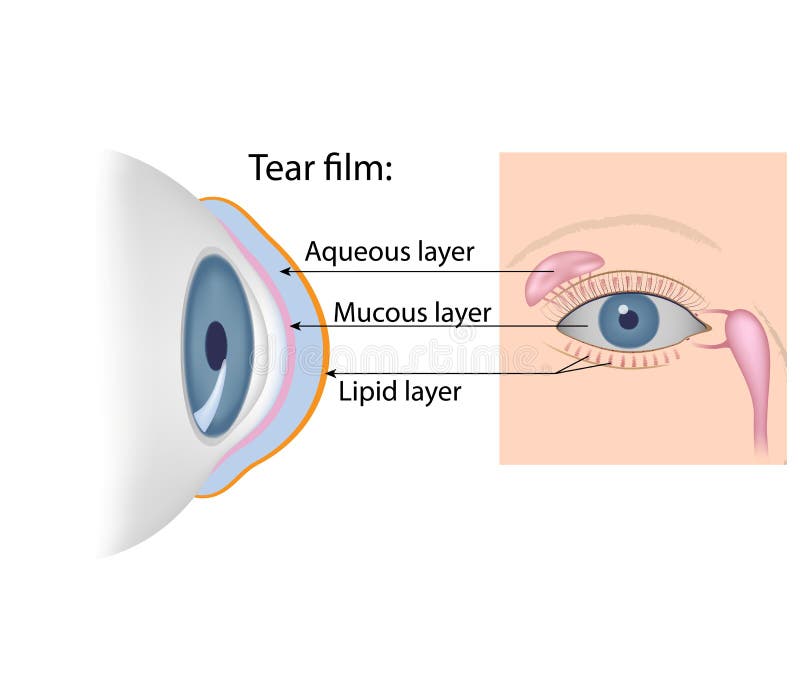
Free with trial The lacrimal gland, meibomian glands and conjunctival goblet cells secretion. Eyes syndrome vectors Tear film formation. The lacrimal gland, meibomian glands and conjunctival goblet cells secretion
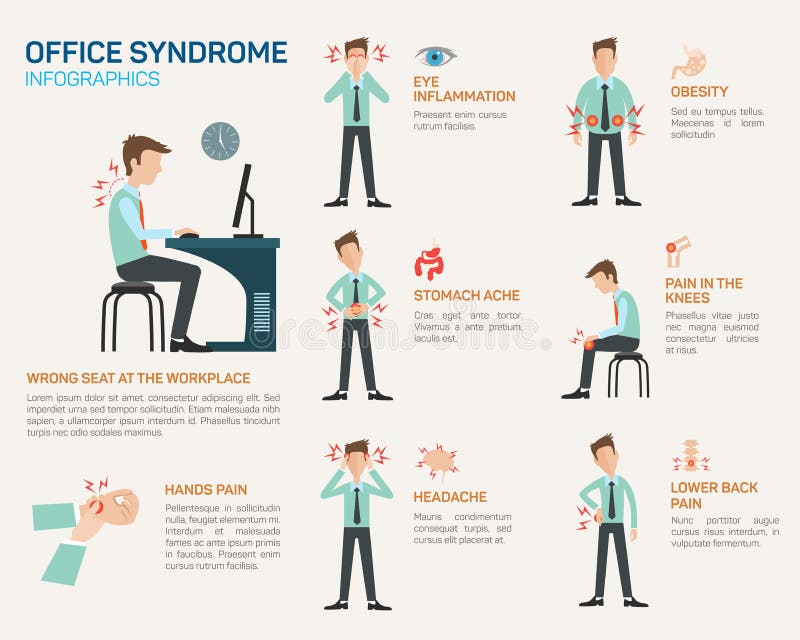
Free with trial Vector flat illustration for office syndrome. Wrong sitting in the workplace. Eyes inflammation, obesity, stomach ache, knees pain, headache, hands pain, lower back pain. Eyes syndrome vectors Vector flat illustration for office syndrome
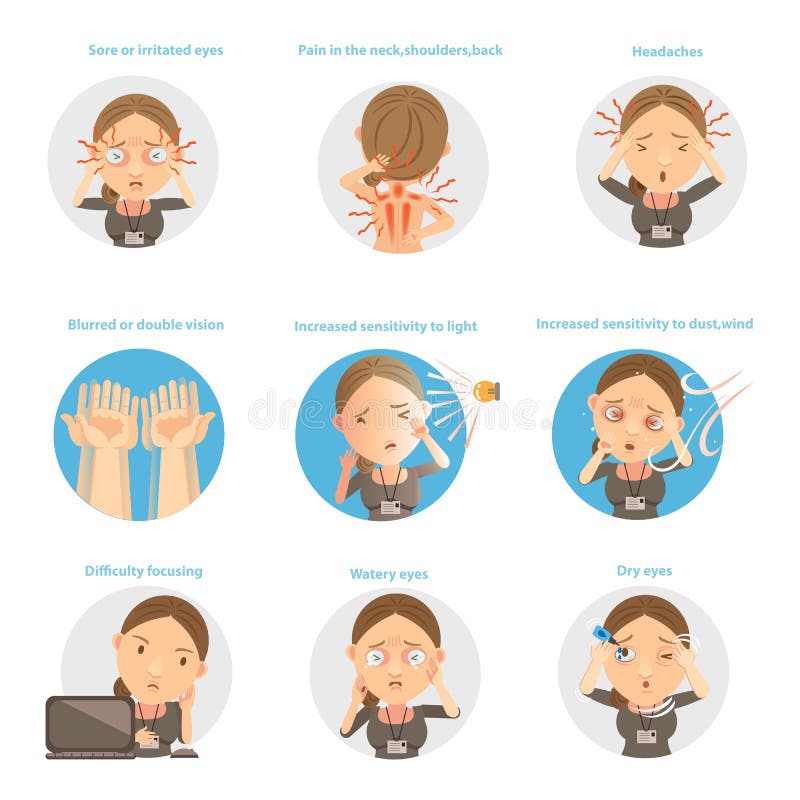
Free with trial Healthcare infographic cartoon character about eyestrain prevention. Eyes syndrome vectors Healthcare infographic cartoon character about eyestrain preven
Free with trial The lacrimal gland, meibomian glands and conjunctival goblet cells secretion, anterior and lateral view. Eyes syndrome vectors Tears chemical composition. The lacrimal gland, meibomian glands and conjunctival goblet cells secretion, anterior and lateral view
Free with trial The lacrimal gland and other structure of tear producing organ, eps10. Eyes syndrome vectors The lacrimal apparatus. The lacrimal gland and other structure of tear producing organ, eps10
Free with trial Sjogrens syndrome vector illustration. Dry body autoimmune disease. Labeled medical explanation with moisture producing glands. Symptoms, diagnosis and consequences. Eyes syndrome vectors Sjogrens syndrome vector illustration. Dry body autoimmune disease.
Free with trial Vector flat illustration for office syndrome. Eyes inflammation, obesity, stomach ache, knees pain, headache, hands pain, lower back pain. Wrong sitting in the workplace. Eyes syndrome vectors Vector flat illustration for office syndrome.
Free with trial The inner layer of the eye, or retina, is similar to film in a camera. It receives light from an image we are looking at, and converts that light into electrical impulses which are sent through the fibers of the optic nerve to the brain. Eyes syndrome illustrations Eye layers. The inner layer of the eye, or retina, is similar to film in a camera. It receives light from an image we are looking at, and converts that light into electrical impulses which are sent through the fibers of the optic nerve to the brain.
Free with trial Head Of David In Medical Mask. Concept Of Coronavirus Quarantine. 3D Illustration. Eyes syndrome illustrations Head Of David In Medical Mask. Concept Of Coronavirus Quarantine
Free with trial The woman who is troubled with the trouble of eyes. Eyes syndrome vectors Woman whom eyes are tired from. The woman who is troubled with the trouble of eyes
Free with trial Working women Prevention of Eye Fatigue. illustrations ,cartoon,. Eyes syndrome vectors Eyes Care. Working women Prevention of Eye Fatigue.illustrations ,cartoon,
Free with trial Icons illustrations depict the symptoms, causes, effects, and home remedies for dry eye health problem. Eyes syndrome vectors Dry Eye Syndrome. Icons illustrations depict the symptoms, causes, effects, and home remedies for dry eye health problem.
Free with trial Sarcoidosis vector illustration. Lungs, heart, eyes autoimmune disease. Infographic with granulomas and scar tissues in bronchi and trachea. Possible symptoms of illness. Eyes syndrome vectors Sarcoidosis vector illustration. Lungs, heart, eyes autoimmune disease
Free with trial The eye is composed of three layers, each of which has one or more very important components. Eyes syndrome illustrations Eye layers. The eye is composed of three layers, each of which has one or more very important components.
Free with trial The human eye is an organ that reacts to light and has several purposes. As a sense organ, the mammalian eye allows vision. Rod and cone cells in the retina allow conscious light perception and vision including color differentiation and the perception of depth. Eyes syndrome illustrations Human Eye
Free with trial The human eye is an organ that reacts to light and has several purposes. As a sense organ, the mammalian eye allows vision. Rod and cone cells in the retina allow conscious light perception and vision including color differentiation and the perception of depth. Eyes syndrome illustrations Human eye
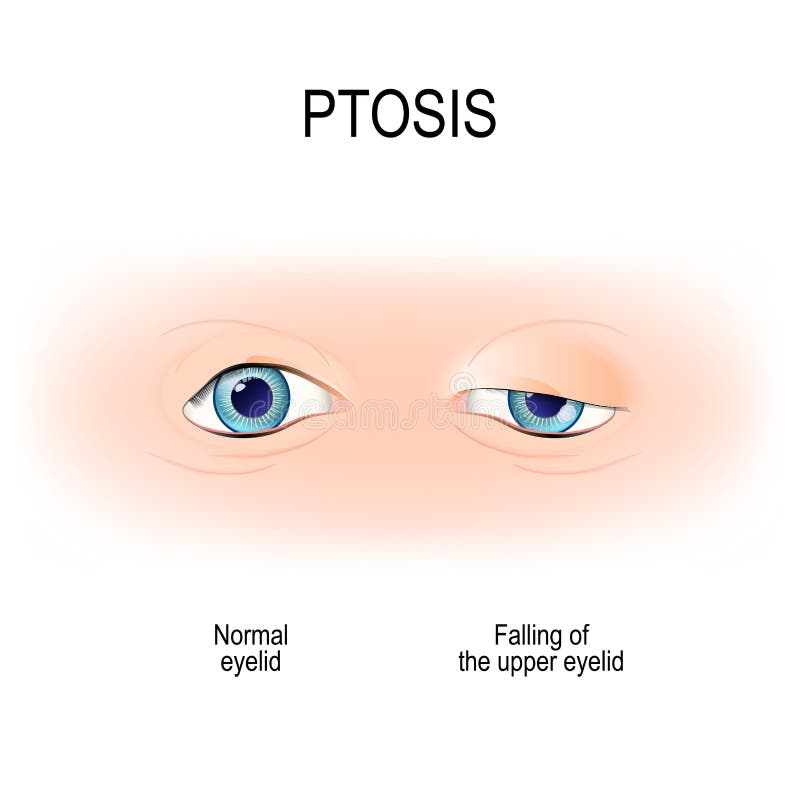
Free with trial Ptosis is a drooping of the upper eyelid. lazy eye. this disorder is the result of allergies or muscle weakness, it can also be a symptom of thyroid or eye disease. Vector diagram for medical use. Eyes syndrome vectors Ptosis is a drooping of the upper eyelid. lazy eye
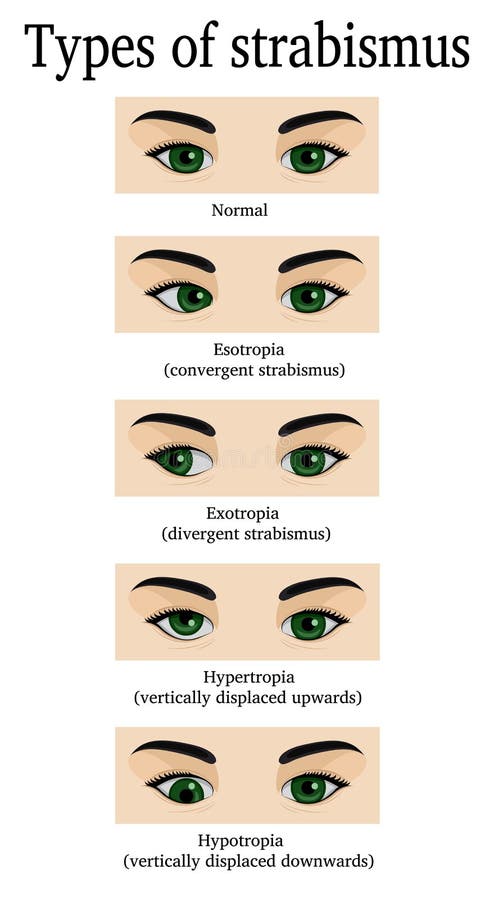
Free with trial Four types of strabismus: esotropia, exotropia, hydrotropia and hypertropia. Eyes syndrome vectors Types of strabismus
Free with trial Ergonomic workspace: sitting at desk with proper posture and office equipment. Eyes syndrome vectors Ergonomic workspace and correct posture. Ergonomic workspace: sitting at desk with proper posture and office equipment
Free with trial Eye disease. Most common eye problems - conjunctivitis, glaucoma, dry eye syndrome, barley eyes. Ophthalmology flat health vector illustration. Eyes syndrome vectors Most common eye problems - conjunctivitis, glaucoma, dry eye syndrome, barley eyes.
Free with trial Tired eyes from computer. Strain eye sad clerk, blurry vision exhausted office worker eyestrain trouble presbyopia syndrome dry minuscule pain eyesight vector illustration. Eyes tired from computer. Eyes syndrome vectors Tired eyes from computer. Strain eye sad clerk, blurry vision exhausted office worker eyestrain trouble presbyopia
Free with trial 8 steps for healthy eyes. Medical, healthcare and dietary concept. Eyes syndrome vectors 8 steps for healthy eyes
Free with trial Flashcard illustration detailing clinical features of DiGeorge Syndrome. A central diagram of an infant shows key anatomical areas: brain, lungs, thymus, heart, and kidneys. Associated symptoms are categorized: neurodevelopmental (anxiety, ADHD, autism), facial (wide-set eyes), ENT (hearing loss, palatal defects), endocrine (hypoparathyroidism), cardiac (Tetralogy of Fallot), immunology (immune dysfunction), and other anomalies (musculoskeletal). Visual aids highlight critical areas linked to the syndrome. Eyes syndrome vectors DiGeorge syndrome clinical feature flashcard illustration. Flashcard illustration detailing clinical features of DiGeorge Syndrome. A central diagram of an infant shows key anatomical areas: brain, lungs, thymus, heart, and kidneys. Associated symptoms are categorized: neurodevelopmental (anxiety, ADHD, autism), facial (wide-set eyes), ENT (hearing loss, palatal defects), endocrine (hypoparathyroidism), cardiac (Tetralogy of Fallot), immunology (immune dysfunction), and other anomalies (musculoskeletal). Visual aids highlight critical areas linked to the syndrome.
Free with trial A mild, inherited liver condition in which the liver doesn't process bilirubin properly, leading to occasional yellowing of the skin and eyes (jaundice). Eyes syndrome vectors Gilbert\'s Syndrome (Jaundice) Flashcard Illustration. A mild, inherited liver condition in which the liver doesn't process bilirubin properly, leading to. A mild, inherited liver condition in which the liver doesn't process bilirubin properly, leading to occasional yellowing of the skin and eyes (jaundice).
Free with trial Bad sitting posture as the reason for office syndrome. Hand drawn EPS10 vector illustration. Eyes syndrome vectors Bad sitting posture as the reason for office syndrome
Free with trial Office syndrome infographic elements. Man works on computer, working day, pain in back, headache, sick and health. Sick spine treatment in humans. Eyes syndrome vectors Office syndrome infographic elements. Man works on computer, working day, pain in back, headache, sick and health.
Free with trial Bad sitting posture as the reason for office syndrome. Hand drawn EPS10 vector illustration. Eyes syndrome vectors Bad sitting posture as the reason for office syndrome
Free with trial Set of vector illustrations of various types of office pain syndrome in humans and man sits evenly and properly for the work space, table, chair, eyes, brush, suffering, disease. Eyes syndrome vectors Concept of office syndrome. Male illustrates various body aches. Set of vector illustrations of various types of office pain syndrome in humans and man sits evenly and properly for the work space, table, chair, eyes, brush, suffering, disease
Free with trial Do your eyes hurt. A woman sits at a table, rubs her eyes, works at a computer monitor. Her eyes hurt and watery. Vector stock flat illustration. Eyes syndrome vectors Do your eyes hurt. A woman sits at a table, rubs her eyes, works at a computer monitor. Her eyes hurt and watery. Vector
Free with trial Woman tired eyes, computer irritated eye. Office manager, young girl work or study. Tired student, working at home and fatigue, snugly vector cartoon character tired eye from screen illustration. Eyes syndrome vectors Woman tired eyes, computer irritated eye. Office manager, young girl work or study. Tired student, working at home and fatigue
Free with trial Vector illustration of Mikulicz syndrome. Enlargement of the lacrimal and salivary glands. Eyes syndrome vectors Mikulicz syndrome. Enlargement of the lacrimal and salivary glands
Free with trial Sad woman with dry reddened eyes due to irritation or allergic reaction caused by food or lack of sleep and rest. Sick girl with allergy symptoms needs to take medicines or use cosmetics. Eyes syndrome vectors Sad woman with dry reddened eyes due to irritation or allergic reaction caused by food
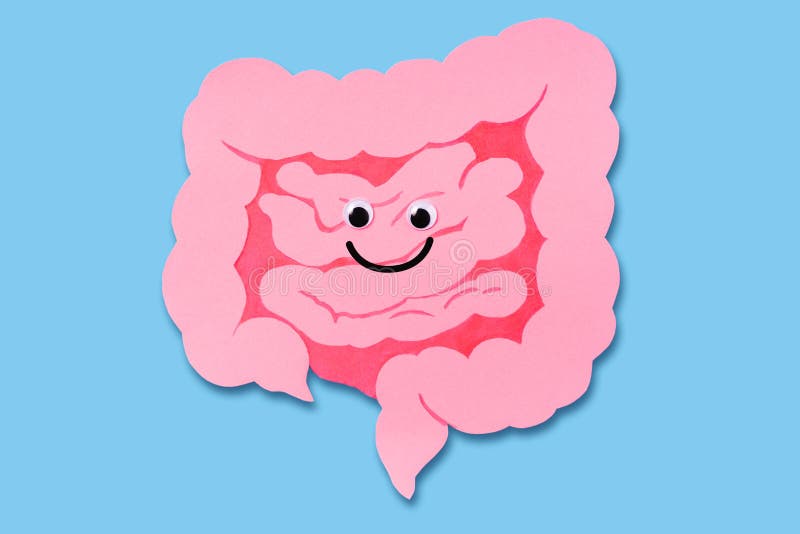
Free with trial Healthy gut. Cute cartoon intestine with eyes and smile. Healthy intestinal digestion concept, colon cancer screening, intestinal disease treatment, biology and organs study for kids. Eyes syndrome illustrations Healthy gut. Cute cartoon intestine with eyes and smile. Healthy intestinal digestion concept, colon cancer screening, intestinal
Free with trial Composite photo collage of frown girl cutout pieces surgery eyes scream mouth teeth tongue hysterics bubble isolated on painted background. Eyes syndrome illustrations Composite photo collage of frown girl cutout pieces surgery eyes scream mouth teeth tongue hysterics bubble isolated on
Free with trial Eye disease. Most common eye problemc - conjunctivitis, glaucoma, dry eye syndrome, barley eyes. Ophthalmology flat health vector illustration. Eyes syndrome vectors Most common eye problems. Eye disease. Most common eye problemc - conjunctivitis, glaucoma, dry eye syndrome, barley eyes. Ophthalmology flat health vector illustration.
Free with trial Eye disease. Most common eye problemc - conjunctivitis, glaucoma, dry eye syndrome, barley eyes. Ophthalmology flat health vector illustration. Eyes syndrome vectors Most common eye problems. Eye disease. Most common eye problemc - conjunctivitis, glaucoma, dry eye syndrome, barley eyes. Ophthalmology flat health vector illustration.
Free with trial Eye disease. Most common eye problemc - conjunctivitis, glaucoma, dry eye syndrome, barley eyes. Ophthalmology flat health vector illustration. Eyes syndrome vectors Most common eye problems. Eye disease. Most common eye problemc - conjunctivitis, glaucoma, dry eye syndrome, barley eyes. Ophthalmology flat health vector illustration.
Free with trial Computer tired eyes. Office worker fatigue, pc vision problems. Eye illness, health care and technology. Strain student in snugly vector scene. Illustration of office computer for work. Eyes syndrome vectors Computer tired eyes. Office worker fatigue, pc vision problems. Eye illness, health care and technology. Strain student in snugly
Free with trial Сoronavirus precautions Infographics, washing hand, avoid touching eyes, wear face mask and avoid crowded places. Vectors illustration in flat design. Eyes syndrome vectors Сoronavirus precautions Infographics, washing hand, avoid touching eyes, wear face mask and avoid crowded places. Vectors
Free with trial Coronavirus precautions Infographics, washing hand, avoid touching eyes, wear face mask and avoid crowded places. Vectors illustration in flat design. Eyes syndrome vectors Coronavirus precautions Infographics, washing hand, avoid touching eyes, wear face mask and avoid crowded places. Vectors
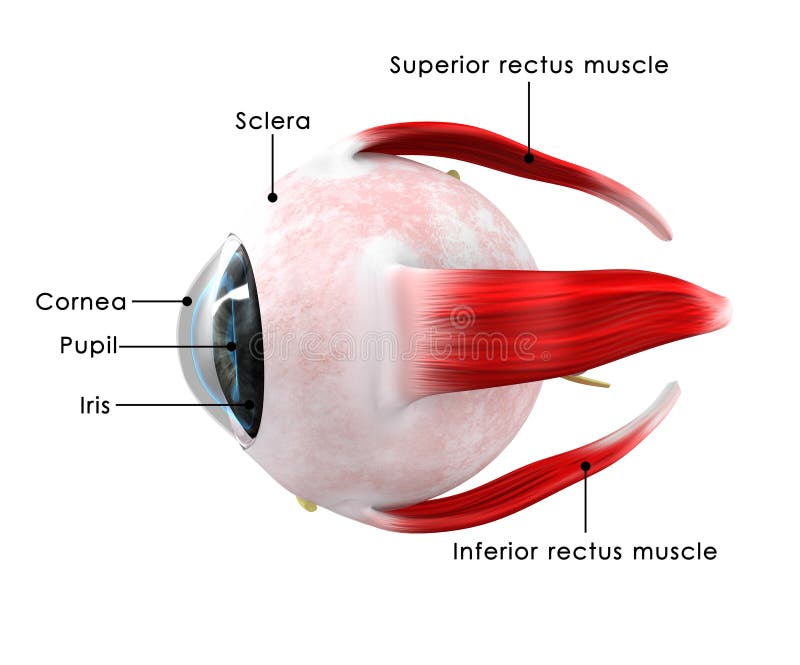
Free with trial The outer layer contains the sclera (the white of the eye) and the cornea (the clear dome at the front of the eye). The cornea is like a window into the eye. It lies in front of the iris, the colored part of the eye. Eyes syndrome illustrations Eye layers. The outer layer contains the sclera (the white of the eye) and the cornea (the clear dome at the front of the eye). The cornea is like a window into the eye. It lies in front of the iris, the colored part of the eye.
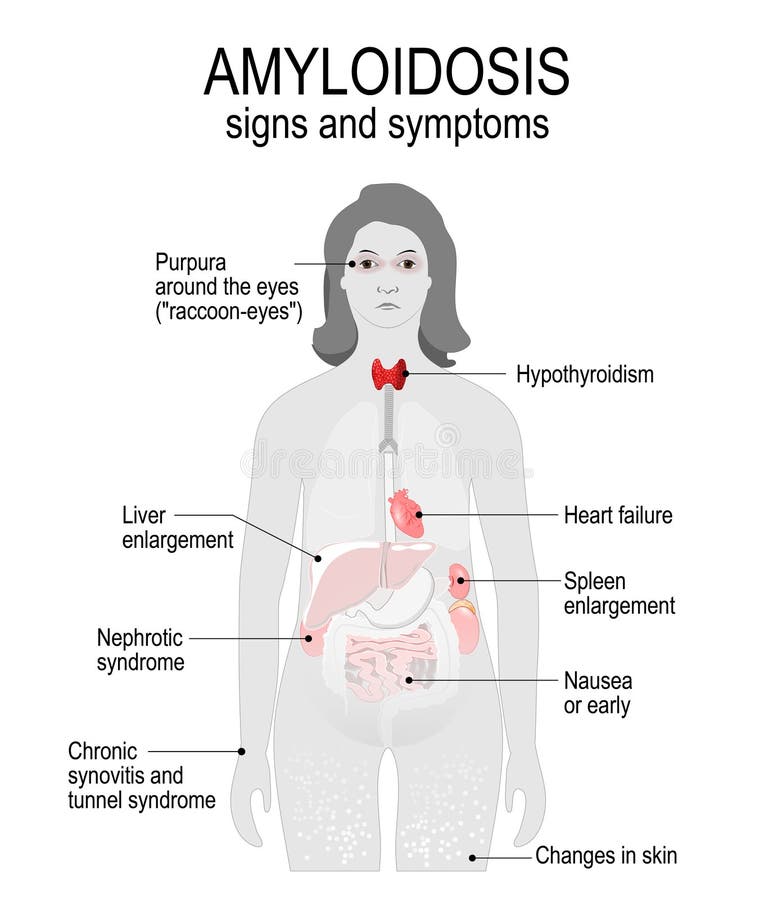
Free with trial Amyloidosis is a disease by accumulation of proteins amyloid fibrils. Signs and symptoms. woman silhouette with highlighted internal organs. Eyes syndrome vectors Amyloidosis. Signs and symptoms. Amyloidosis is a disease by accumulation of proteins amyloid fibrils. Signs and symptoms. woman silhouette with highlighted internal organs.
Free with trial A hollow structure, the bulbus oculi is composed of a wall enclosing a cavity filled with fluid with three coats: the Sclera, Choroid, and the Retina. Eyes syndrome illustrations Eye layers. A hollow structure, the bulbus oculi is composed of a wall enclosing a cavity filled with fluid with three coats: the Sclera, Choroid, and the Retina.
Free with trial Human eye diseases and disorders. Medical Infographic set with icons and other elements. medical symbols for design. Eyes syndrome vectors Human eye diseases and disorders. Infographic. Human eye diseases and disorders. Medical Infographic set with icons and other elements. medical symbols for design
Free with trial Comparing a normal eye with a blind eye. Eyes syndrome vectors Blindness. Comparing a normal eye with a blind eye.
Free with trial Head Of David In Medical Mask On Pink Background. Concept Of Coronavirus Quarantine. 3D Illustration. Eyes syndrome illustrations Head Of David In Medical Mask On Pink Background. Concept Of Coronavirus Quarantine.
Free with trial Abstract drawing of a Human Eye. Eyes syndrome illustrations Facet Eye. Abstract drawing of a Human Eye
Free with trial Concept of getting eye trouble through staring at a computer monitor for hours and days. Eyes syndrome illustrations Beware of Computer Vision Syndrom. Concept of getting eye trouble through staring at a computer monitor for hours and days
Free with trial Crossed eye and strabismus - sight and vision health dysfunction. Eyeglasses frame and poor eyes. Vector illustration isolated on white. Eyes syndrome vectors Crossed eye and strabismus
Free with trial Ophthalmological Medical Banner with Close Up View of Contact Lenses Eye Drops Flask for Eye Lubricating. Moisturizing Aqua Bottle. Vector Realistic Illustration, Blue Gradient Background, Copy Space. Eyes syndrome vectors Ophthalmological Banner with Lens Eye Drops Flask. Ophthalmological Medical Banner with Close Up View of Contact Lenses Eye Drops Flask for Eye Lubricating. Moisturizing Aqua Bottle. Vector Realistic Illustration, Blue Gradient Background, Copy Space.
Free with trial Man with smartphone , hard to play social network , confuse man. Eyes syndrome vectors Brain Stolen. Man with smartphone , hard to play social network , confuse man
Free with trial Don`t touch your face to prevent infection. Virus prevention flat illustration. Hygiene icon. Eyes syndrome vectors Don`t touch your face to prevent infection. Virus prevention flat illustration. Hygiene icon
Free with trial Don`t touch face nose mouth eyes Protect lungs of globe children people from Virus Corona virus COVID-19 not allowed and prohibited infection lung icon health care illustration logo on white background. Eyes syndrome vectors Don`t touch face Protect lungs of globe people from Virus Corona virus COVID-19 not allowed and prohibited infection icon. Don`t touch face nose mouth eyes Protect lungs of globe children people from Virus Corona virus COVID-19 not allowed and prohibited infection lung icon health care illustration logo on white background
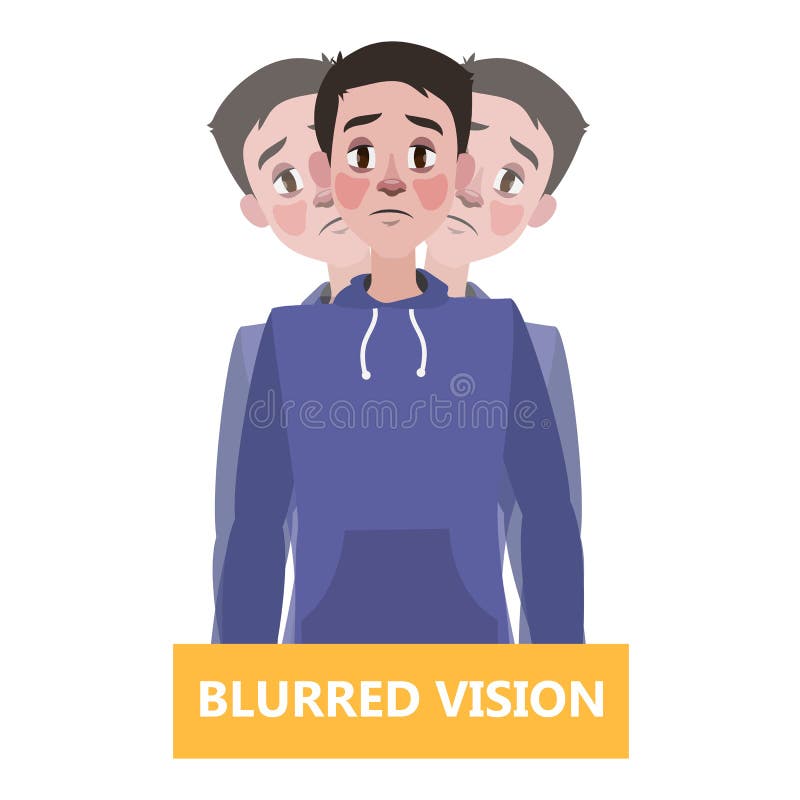
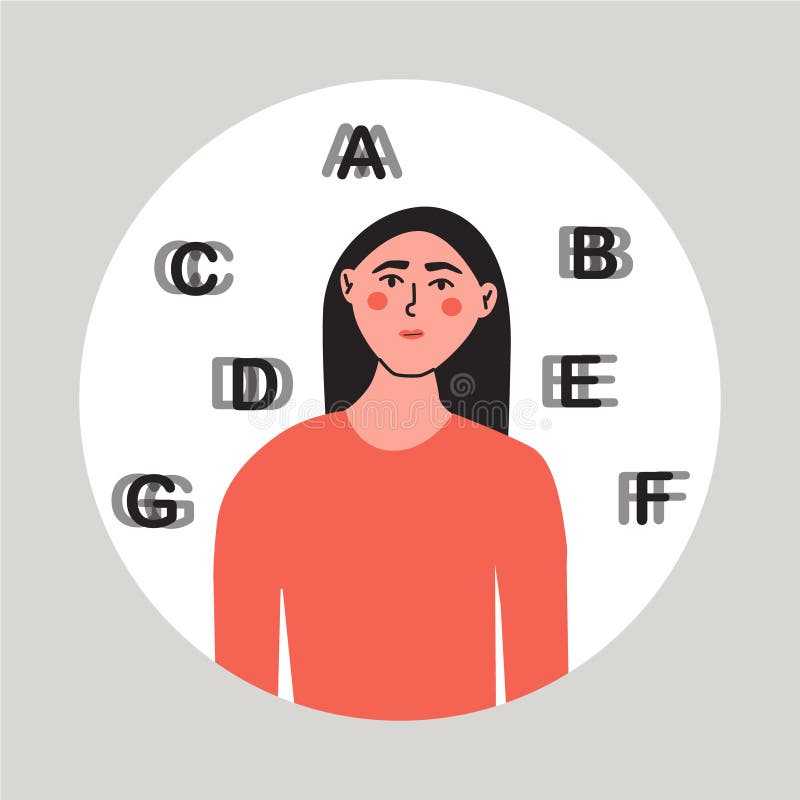
Free with trial Blurred vision as a symptom of disease. Eye problem. Difficulty on focusing. Isolated flat vector illustration. Eyes syndrome vectors Blurred vision as a symptom of disease
Free with trial Albino Eye - Red eye of a human or an animal. This is an eye anomaly. Eyes syndrome vectors Albino Eye
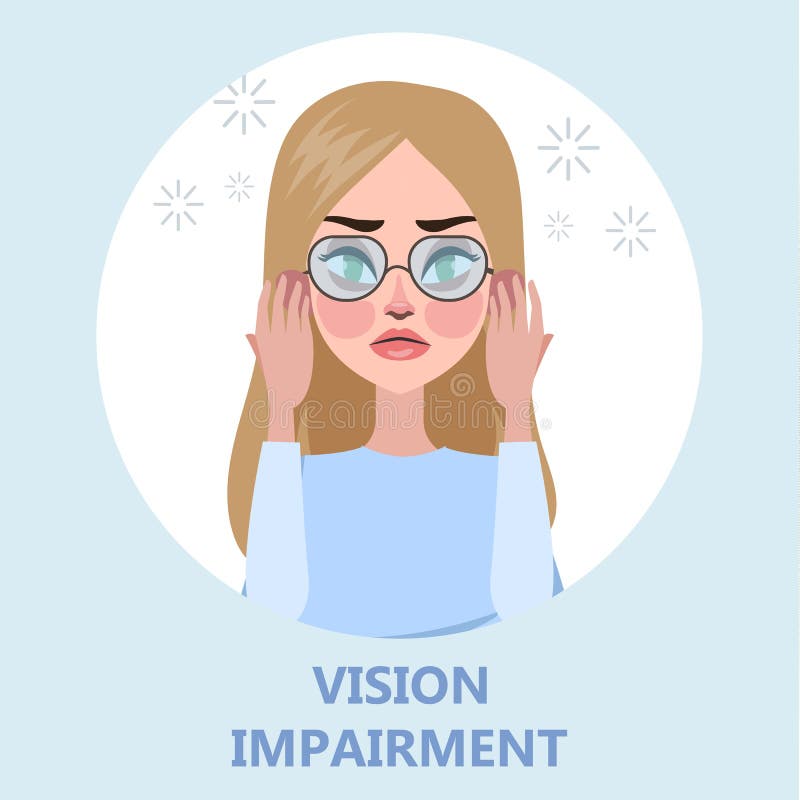
Free with trial Visual impairment as a symptom of disease. Eye vision problem. Difficulty on focusing. Isolated flat vector illustration. Eyes syndrome vectors Visual impairment as a symptom of disease
Free with trial Hurt Ne No More series. Artistic expression of physical and emotional abuse in grunge textured portrait of a young woman. Eyes syndrome illustrations Battered Woman Syndrome abstraction. Hurt Ne No More series. Artistic expression of physical and emotional abuse in grunge textured portrait of a young woman
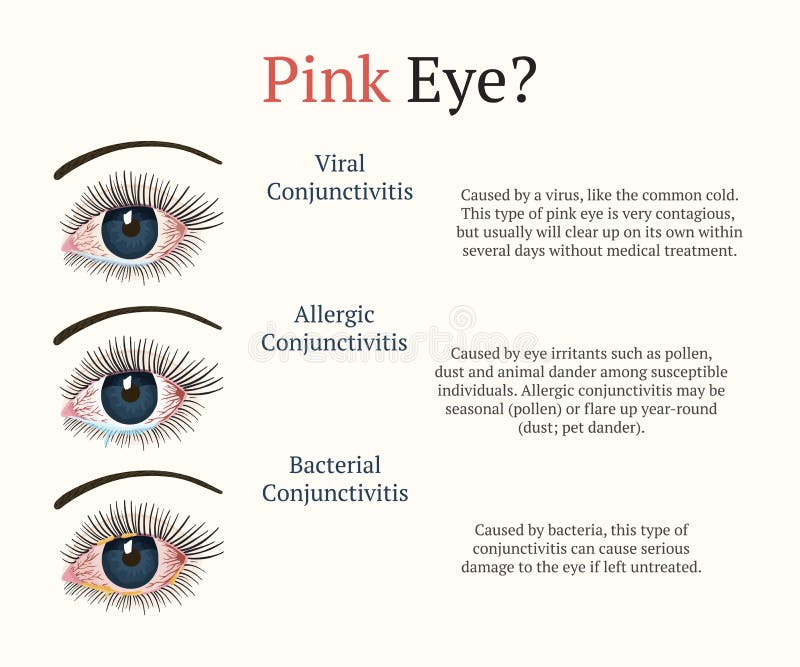
Free with trial Conjunctivitis, pink eyes. Eye disease. Ophthalmology flat health illustration. Most common conjunctivitis types. Vector. Eyes syndrome vectors Eye disease. Ophthalmology health illustration. Conjunctivitis, pink eyes. Eye disease. Ophthalmology flat health illustration. Most common conjunctivitis types. Vector.
Free with trial Blurred vision as a symptom of disease. Eye problem. Difficulty on focusing. Isolated flat vector illustration. Eyes syndrome vectors Blurred vision as a symptom of disease
Free with trial Blurred vision as a symptom of disease or migraine. Eye problem. Difficulty on focusing. Vector illustration in cartoon style. Eyes syndrome vectors Blurred vision as a symptom of the disease. Blurred vision as a symptom of disease or migraine. Eye problem. Difficulty on focusing. Vector illustration in cartoon style
Free with trial Visual impairment as a symptom of disease. Eye vision problem. Difficulty on focusing. Isolated flat vector illustration. Eyes syndrome vectors Visual impairment as a symptom of disease
Free with trial Blurred vision as a symptom of disease or migraine. Eye problem. Difficulty on focusing. Vector illustration in cartoon style. Eyes syndrome vectors Blurred vision as a symptom of the disease. Blurred vision as a symptom of disease or migraine. Eye problem. Difficulty on focusing. Vector illustration in cartoon style
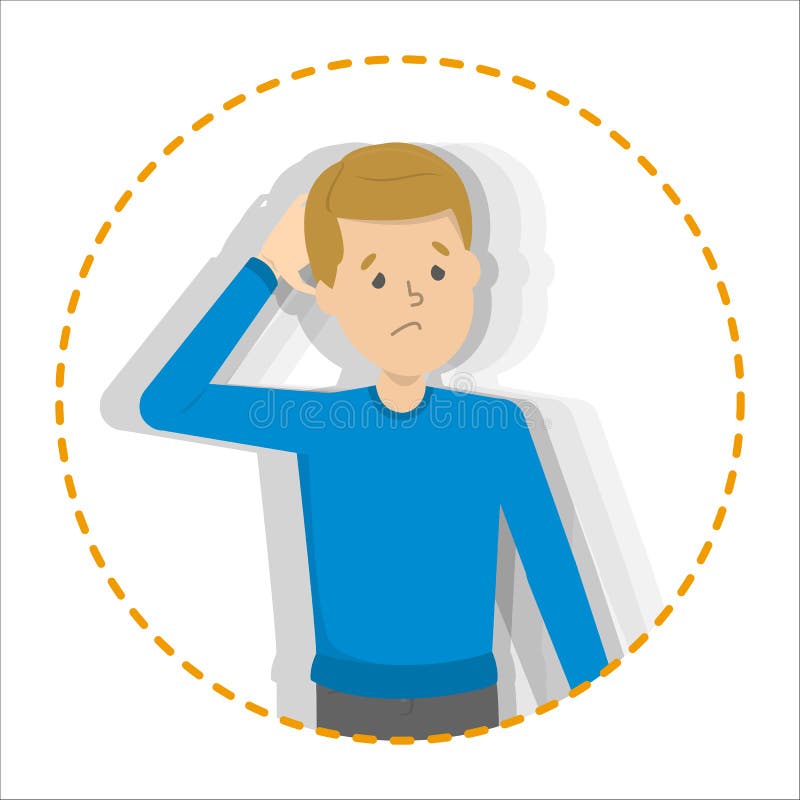
Free with trial Blurred vision as a symptom of disease. Eye problem. Difficulty on focusing. Vector illustration in cartoon style. Eyes syndrome vectors Blurred vision as a symptom of disease. Eye problem.
Free with trial Coronavirus disease COVID-19 is an infectious disease caused by a new virus. The disease causes respiratory illness like the flu with symptoms such as a cough, fever, and in more severe cases, difficulty breathing. You can protect yourself by washing your hands frequently, avoiding touching your face, and avoiding close contact 1 meter or 3 feet with people who are unwell. Coronavirus disease spreads primarily through contact with an infected person when they cough or sneeze. It also spreads when a person touches a surface or object that has the virus on it, then touches their eyes, nose, or mouth. You can protect yourself and help prevent spreading the virus to others if you: Do Wash your hands regularly for 20 seconds, with soap and water or alcohol-based hand rub Cover your nose and mouth with a disposable tissue or flexed elbow when you cough or sneeze Avoid close contact 1 meter or 3 feet with people who are unwell Stay home and self-isolate from others in the household if you feel unwell Don`t Touch your eyes, nose, or mouth if your hands are not clean. Eyes syndrome illustrations Stop Corona virus. coronavirus. COVID-19. Bacteria, virus. Coronavirus disease COVID-19 is an infectious disease caused by a new virus. The disease causes respiratory illness like the flu with symptoms such as a cough, fever, and in more severe cases, difficulty breathing. You can protect yourself by washing your hands frequently, avoiding touching your face, and avoiding close contact 1 meter or 3 feet with people who are unwell.Coronavirus disease spreads primarily through contact with an infected person when they cough or sneeze. It also spreads when a person touches a surface or object that has the virus on it, then touches their eyes, nose, or mouth.You can protect yourself and help prevent spreading the virus to others if you: Do Wash your hands regularly for 20 seconds, with soap and water or alcohol-based hand rub Cover your nose and mouth with a disposable tissue or flexed elbow when you cough or sneeze Avoid close contact 1 meter or 3 feet with people who are unwell Stay home and self-isolate from others in the household if you feel unwell Don`t Touch your eyes, nose, or mouth if your hands are not clean
Free with trial Coronavirus disease COVID-19 is an infectious disease caused by a new virus. The disease causes respiratory illness like the flu with symptoms such as a cough, fever, and in more severe cases, difficulty breathing. You can protect yourself by washing your hands frequently, avoiding touching your face, and avoiding close contact 1 meter or 3 feet with people who are unwell. Coronavirus disease spreads primarily through contact with an infected person when they cough or sneeze. It also spreads when a person touches a surface or object that has the virus on it, then touches their eyes, nose, or mouth. You can protect yourself and help prevent spreading the virus to others if you: Do Wash your hands regularly for 20 seconds, with soap and water or alcohol-based hand rub Cover your nose and mouth with a disposable tissue or flexed elbow when you cough or sneeze Avoid close contact 1 meter or 3 feet with people who are unwell Stay home and self-isolate from others in the household if you feel unwell Don`t Touch your eyes, nose, or mouth if your hands are not clean. Eyes syndrome illustrations Corona virus. coronavirus. COVID-19. Bacteria, virus. Coronavirus disease COVID-19 is an infectious disease caused by a new virus. The disease causes respiratory illness like the flu with symptoms such as a cough, fever, and in more severe cases, difficulty breathing. You can protect yourself by washing your hands frequently, avoiding touching your face, and avoiding close contact 1 meter or 3 feet with people who are unwell.Coronavirus disease spreads primarily through contact with an infected person when they cough or sneeze. It also spreads when a person touches a surface or object that has the virus on it, then touches their eyes, nose, or mouth.You can protect yourself and help prevent spreading the virus to others if you: Do Wash your hands regularly for 20 seconds, with soap and water or alcohol-based hand rub Cover your nose and mouth with a disposable tissue or flexed elbow when you cough or sneeze Avoid close contact 1 meter or 3 feet with people who are unwell Stay home and self-isolate from others in the household if you feel unwell Don`t Touch your eyes, nose, or mouth if your hands are not clean
Free with trial Cough, runny nose, headache, nausea, abdominal and chest pain, dizziness, confused consciousness. Cute boy with flu disease. Flat modern illustrationnd. Eyes syndrome illustrations Set of Illness Cold and flu symptoms. Cough, runny nose, headache, nausea, abdominal and chest pain, dizziness, confused consciousness. Cute boy with flu disease. Flat modern illustrationnd
Free with trial Double vision blue gradient concept icon. Eyesight trouble. Problem with eyes. Symptom of disorder. Brain health idea thin line illustration. Vector isolated outline RGB color drawing. Eyes syndrome vectors Double vision blue gradient concept icon
Free with trial Coronavirus disease COVID-19 is an infectious disease caused by a new virus. The disease causes respiratory illness like the flu with symptoms such as a cough, fever, and in more severe cases, difficulty breathing. You can protect yourself by washing your hands frequently, avoiding touching your face, and avoiding close contact 1 meter or 3 feet with people who are unwell. Coronavirus disease spreads primarily through contact with an infected person when they cough or sneeze. It also spreads when a person touches a surface or object that has the virus on it, then touches their eyes, nose, or mouth. You can protect yourself and help prevent spreading the virus to others if you: Do Wash your hands regularly for 20 seconds, with soap and water or alcohol-based hand rub Cover your nose and mouth with a disposable tissue or flexed elbow when you cough or sneeze Avoid close contact 1 meter or 3 feet with people who are unwell Stay home and self-isolate from others in the household if you feel unwell Don`t Touch your eyes, nose, or mouth if your hands are not clean. Eyes syndrome illustrations Corona virus. coronavirus. COVID-19. Bacteria, virus. Coronavirus disease COVID-19 is an infectious disease caused by a new virus. The disease causes respiratory illness like the flu with symptoms such as a cough, fever, and in more severe cases, difficulty breathing. You can protect yourself by washing your hands frequently, avoiding touching your face, and avoiding close contact 1 meter or 3 feet with people who are unwell.Coronavirus disease spreads primarily through contact with an infected person when they cough or sneeze. It also spreads when a person touches a surface or object that has the virus on it, then touches their eyes, nose, or mouth.You can protect yourself and help prevent spreading the virus to others if you: Do Wash your hands regularly for 20 seconds, with soap and water or alcohol-based hand rub Cover your nose and mouth with a disposable tissue or flexed elbow when you cough or sneeze Avoid close contact 1 meter or 3 feet with people who are unwell Stay home and self-isolate from others in the household if you feel unwell Don`t Touch your eyes, nose, or mouth if your hands are not clean
Free with trial Coronavirus disease COVID-19 is an infectious disease caused by a new virus. The disease causes respiratory illness like the flu with symptoms such as a cough, fever, and in more severe cases, difficulty breathing. You can protect yourself by washing your hands frequently, avoiding touching your face, and avoiding close contact 1 meter or 3 feet with people who are unwell. Coronavirus disease spreads primarily through contact with an infected person when they cough or sneeze. It also spreads when a person touches a surface or object that has the virus on it, then touches their eyes, nose, or mouth. You can protect yourself and help prevent spreading the virus to others if you: Do Wash your hands regularly for 20 seconds, with soap and water or alcohol-based hand rub Cover your nose and mouth with a disposable tissue or flexed elbow when you cough or sneeze Avoid close contact 1 meter or 3 feet with people who are unwell Stay home and self-isolate from others in the household if you feel unwell Don`t Touch your eyes, nose, or mouth if your hands are not clean. Eyes syndrome illustrations Stop Corona virus. coronavirus. COVID-19. Bacteria, virus. Coronavirus disease COVID-19 is an infectious disease caused by a new virus. The disease causes respiratory illness like the flu with symptoms such as a cough, fever, and in more severe cases, difficulty breathing. You can protect yourself by washing your hands frequently, avoiding touching your face, and avoiding close contact 1 meter or 3 feet with people who are unwell.Coronavirus disease spreads primarily through contact with an infected person when they cough or sneeze. It also spreads when a person touches a surface or object that has the virus on it, then touches their eyes, nose, or mouth.You can protect yourself and help prevent spreading the virus to others if you: Do Wash your hands regularly for 20 seconds, with soap and water or alcohol-based hand rub Cover your nose and mouth with a disposable tissue or flexed elbow when you cough or sneeze Avoid close contact 1 meter or 3 feet with people who are unwell Stay home and self-isolate from others in the household if you feel unwell Don`t Touch your eyes, nose, or mouth if your hands are not clean
Free with trial Headache, stress and burnout at home, young man suffering from fatigue and exhaustion. Frustrated, failing small business owner annoyed and under pressure from a heavy workload while working remotely. Eyes syndrome illustrations Headache, stress and burnout at home, young man suffering from fatigue and exhaustion. Frustrated, failing small business owner
Free with trial Purple awareness ribbon, eye, tongue icon set vector. Dr. Henrik Sjogren, the Swedish ophthalmologist. July 23 every year. Important day. Eyes syndrome vectors . Purple awareness ribbon, eye, tongue icon set vector. Dr. Henrik Sjogren, the Swedish ophthalmologist. July 23 every year. Important day
Free with trial Zombi elegant businessman on the top of a labyrinth. Eyes syndrome illustrations Sleepy businessman on the top of a labyrinth. Zombi elegant businessman on the top of a labyrinth
Free with trial Studio portrait of sad lama in a pijama having insomnia, created with Generative AI technology. Eyes syndrome illustrations Sad lama in a pijama having insomnia, created with Generative AI technology
Free with trial Dry eye problem and eye health care. Realistic 3d human eyeball suffering from dry eye disease with a sign reading dry eyes. Eyes syndrome illustrations Dry eye disease affecting a realistic 3d human eyeball illustration. Dry eye problem and eye health care. Realistic 3d human eyeball suffering from dry eye disease with a sign reading dry eyes
Free with trial Lacrimation color line icon. Flu symptom. Abnormal or excessive secretion of tears due to local or systemic disease. Pictogram for web page, mobile app, promo. UI UX GUI design element. Eyes syndrome vectors Lacrimation color line icon. Flu symptom. Abnormal or excessive secretion of tears due to local or systemic disease. Pictogram for
Free with trial Miosis is a condition in which one or both pupils constrict, regardless of how much light enters the eye. 3D illustration. Eyes syndrome illustrations Miosis is a condition in which one or both pupils constrict, regardless of how much light enters the eye
Free with trial Blurred vision, difficulty of focusing concept. Eye problems. Symptom of diabetes, migrane, disease. Flat vector illustration. Eyes syndrome vectors Blurred vision, difficulty of focusing concept. Eye problems. Symptom of diabetes, migrane, disease. Flat vector
 Sign in