Free with trial A vector illustration of Diagram of the pelvic girdle labeled. Pelvic hip girdle vectors Diagram of the pelvic girdle labeled
Free with trial The hip bone is formed by three bones; ilium, ischium, and pubis. Pelvic hip girdle illustrations Pelvic hip. The hip bone is formed by three bones; ilium, ischium, and pubis.
Free with trial The Pelvic Girdle of Human Hip Bone Anatomy Vector Illustration. Pelvic hip girdle vectors The Pelvic Girdle of Human Hip Bone Anatomy
Free with trial Digital illustration of pelvic girdle in colour background. Pelvic hip girdle illustrations Pelvic girdle
Free with trial The hip bone is formed by three bones; ilium, ischium, and pubis. Pelvic hip girdle illustrations Pelvic hip. The hip bone is formed by three bones; ilium, ischium, and pubis.
Free with trial The hip bone is formed by three bones; ilium, ischium, and pubis. Pelvic hip girdle illustrations Palvic hip Girdle. The hip bone is formed by three bones; ilium, ischium, and pubis.
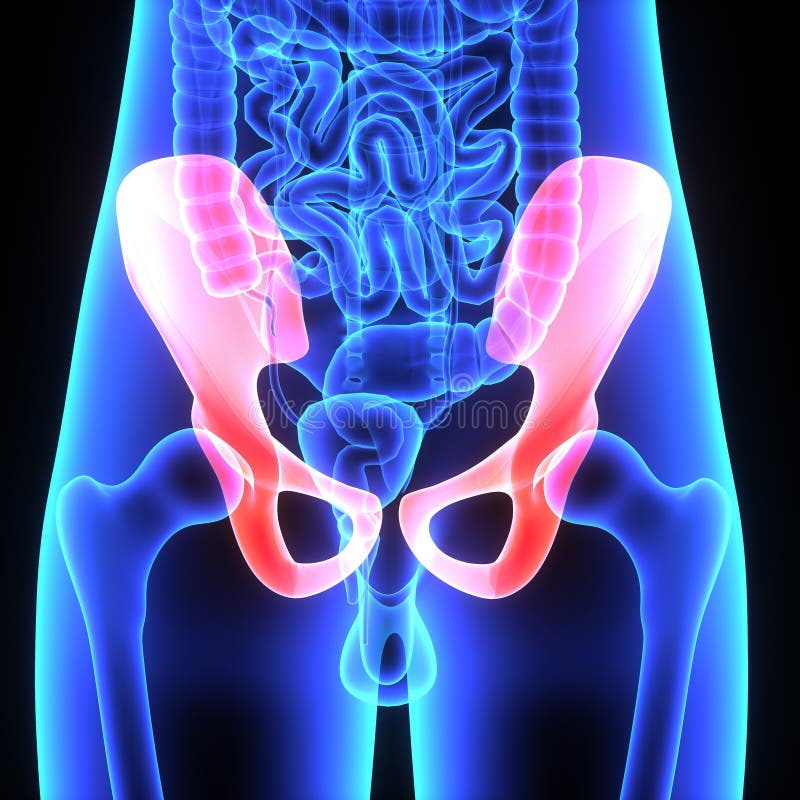
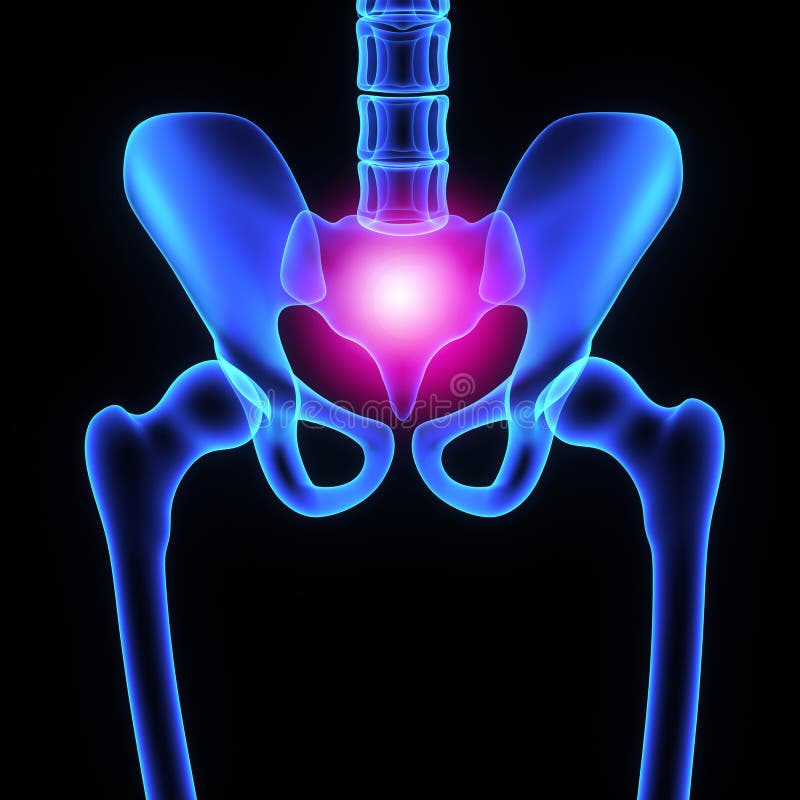
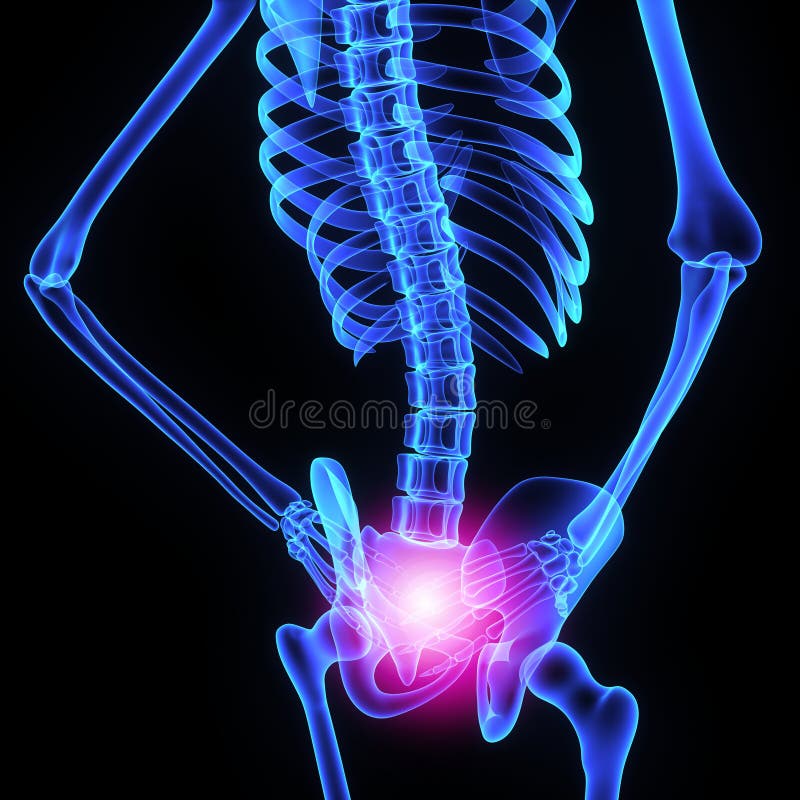
Free with trial The hip bone is formed by three bones; ilium, ischium, and pubis. Pelvic hip girdle illustrations Hip pain. The hip bone is formed by three bones; ilium, ischium, and pubis.
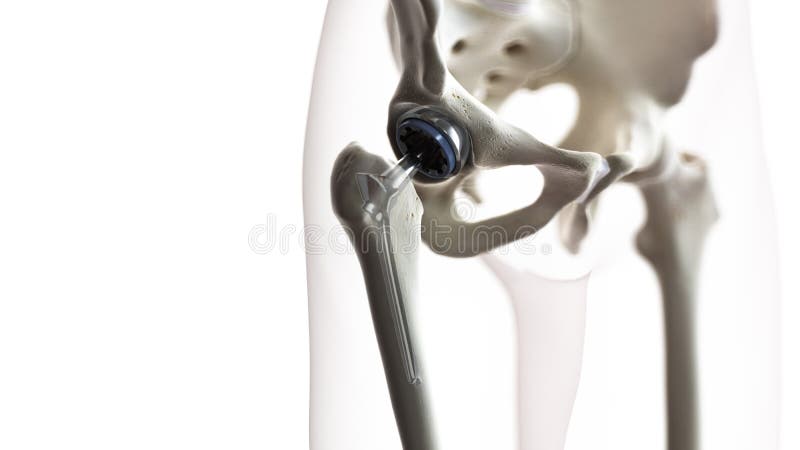
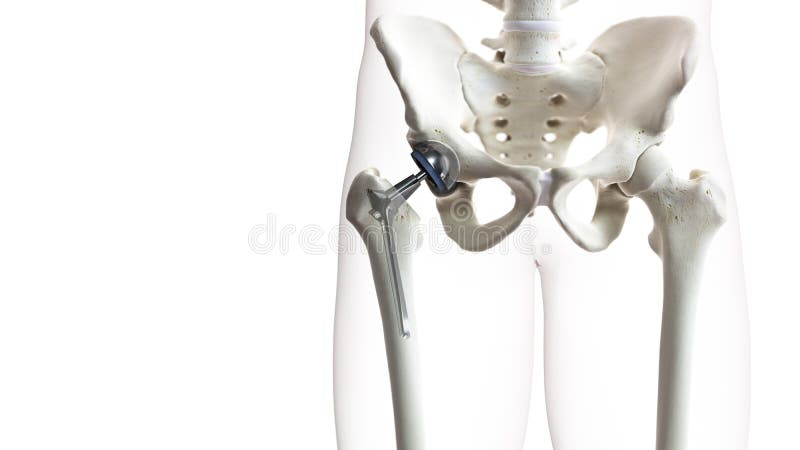
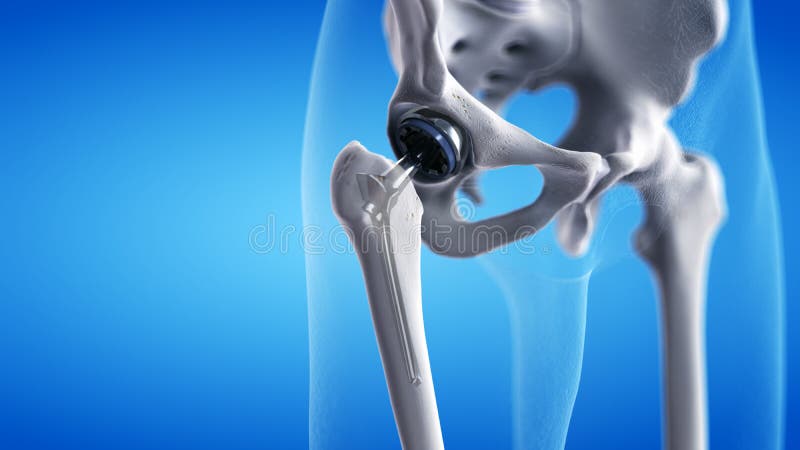
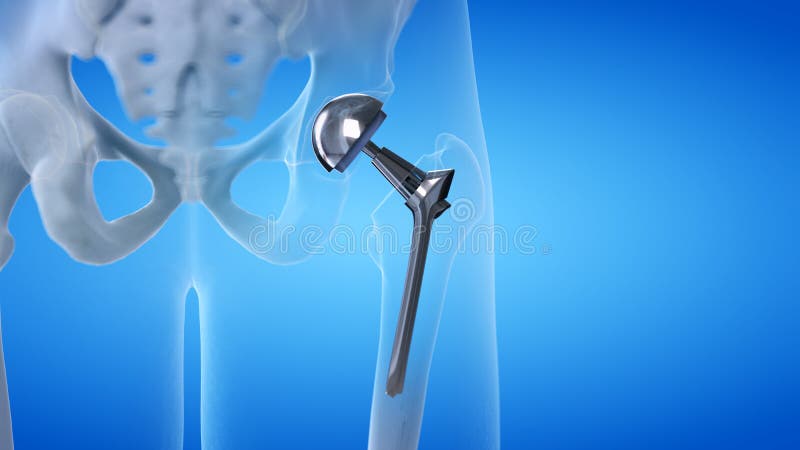
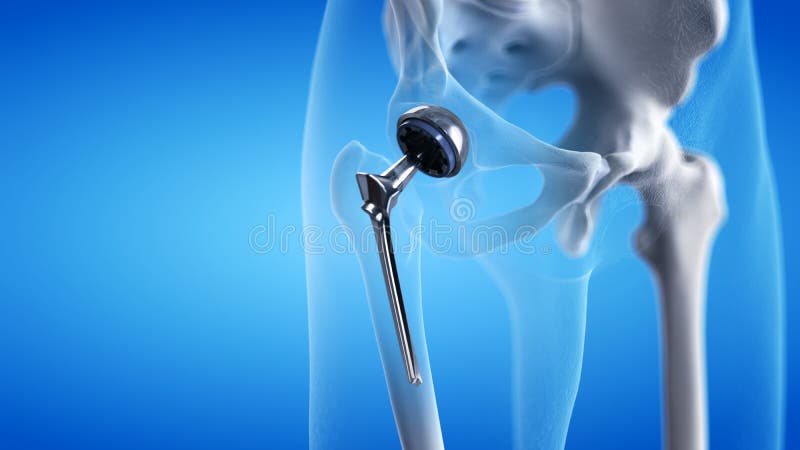
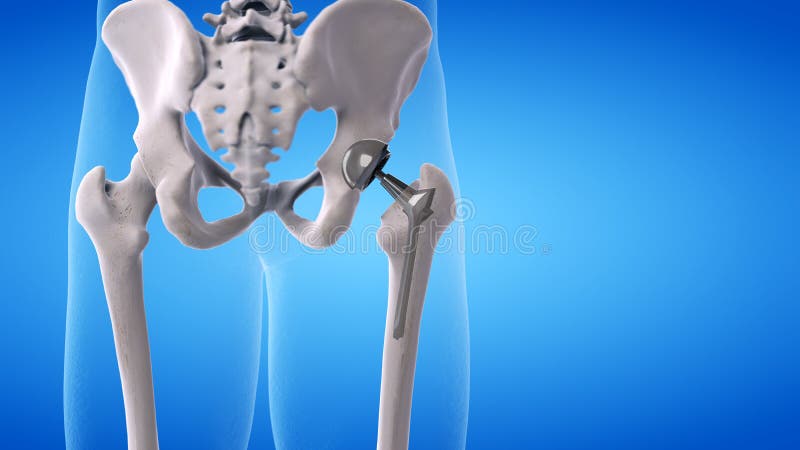
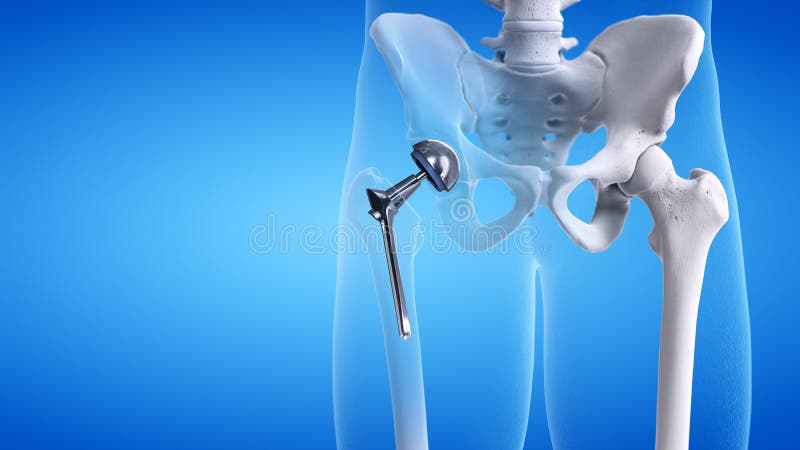
Free with trial 3d rendered medically accurate illustration of a hip replacement. Pelvic hip girdle illustrations A hip replacement
Free with trial 3d rendered medically accurate illustration of a painful hip replacement. Pelvic hip girdle illustrations A painful hip replacement
Free with trial 3d rendered medically accurate illustration of a hip replacement. Pelvic hip girdle illustrations A hip replacement
Free with trial The bones of the leg and foot form part of the appendicular skeleton that supports the many muscles of the lower limbs. These muscles work together to produce movements such as standing, walking, running, and jumping. At the same time, the bones and joints of the leg and foot must be strong enough to support the body’s weight while remaining flexible enough for movement and balance. Pelvic hip girdle illustrations Hip joint with legs. The bones of the leg and foot form part of the appendicular skeleton that supports the many muscles of the lower limbs. These muscles work together to produce movements such as standing, walking, running, and jumping. At the same time, the bones and joints of the leg and foot must be strong enough to support the body’s weight while remaining flexible enough for movement and balance.
Free with trial Pelvis icon. Hip joint the structure of the human skeleton. Pelvic girdle and thighs. Connective cartilaginous tissue. Medical detailed illustration. Vector Silhouette. Pelvic hip girdle vectors Pelvis icon. Hip joint the structure of the human skeleton. Pelvic girdle and thighs. Medical detailed illustration. Pelvis icon. Hip joint the structure of the human skeleton. Pelvic girdle and thighs. Connective cartilaginous tissue. Medical detailed illustration. Vector Silhouette
Free with trial Digital illustration of pelvic girdle in colour background. Pelvic hip girdle illustrations Pelvic girdle
Free with trial Digital illustration of pelvic girdle in colour background. Pelvic hip girdle illustrations Pelvic girdle
Free with trial Located in the lower torso, the pelvis is a sturdy ring of bones that protects the delicate organs of the abdominopelvic cavity while anchoring the powerful muscles of the hip, thigh, and abdomen. Several bones unite to form the pelvis, including the sacrum, coccyx (tail bone), and the left and right coxal (hip) bones. Pelvic hip girdle illustrations Right Pelvic (hip) girdle. Located in the lower torso, the pelvis is a sturdy ring of bones that protects the delicate organs of the abdominopelvic cavity while anchoring the powerful muscles of the hip, thigh, and abdomen. Several bones unite to form the pelvis, including the sacrum, coccyx (tail bone), and the left and right coxal (hip) bones.
Free with trial Digital illustration of pelvic girdle in colour background. Pelvic hip girdle illustrations Pelvic girdle
Free with trial Digital illustration of pelvic girdle in colour background. Pelvic hip girdle illustrations Pelvic girdle
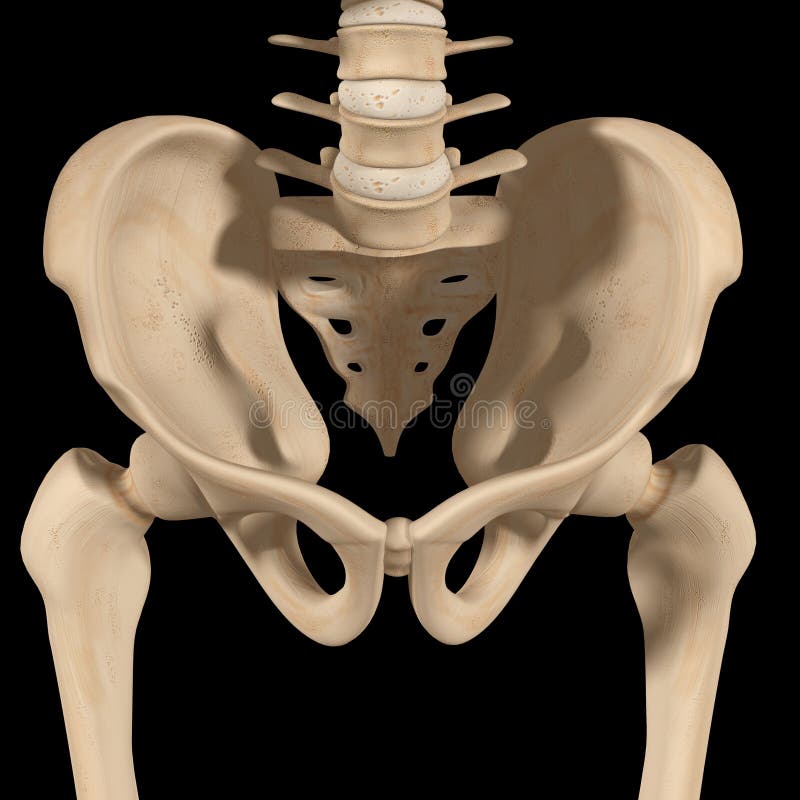
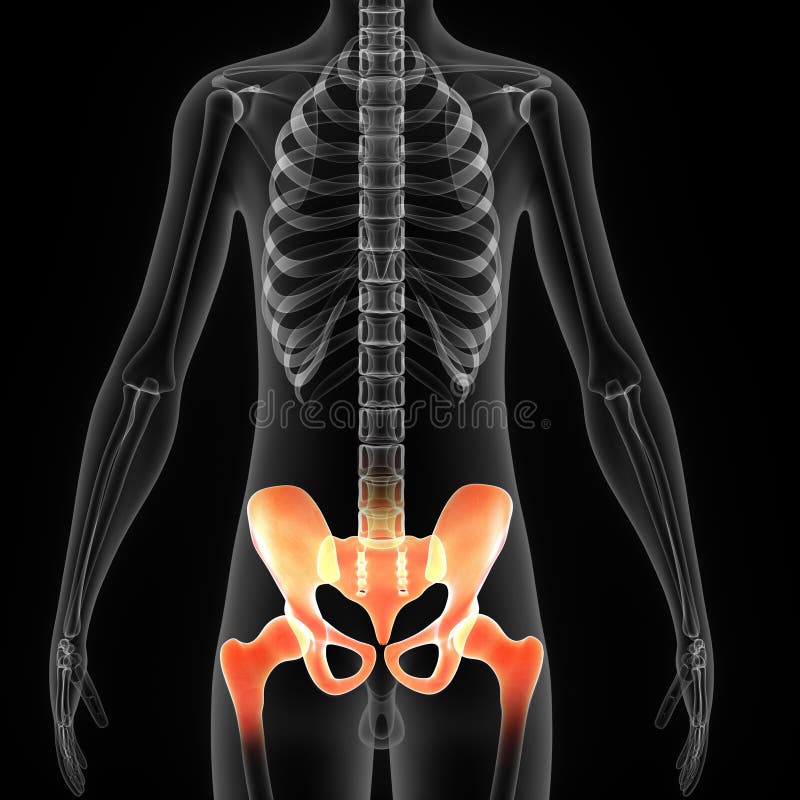
Free with trial The two hip bones join at the pubic symphysis and together with the sacrum and coccyx the pelvic part of the spine comprise the skeletal component of the pelvis – the pelvic girdle which surrounds the pelvic cavity. They are connected to the sacrum, which is part of the axial skeleton, at the sacroiliac joint. Each hip bone is connected to the corresponding femur thigh bone forming the primary connection between the bones of the lower limb and the axial skeleton through the large ball and socket joint of the hip. [2]. Pelvic hip girdle illustrations 3d illustration of skeleton hip bone anatomy. The two hip bones join at the pubic symphysis and together with the sacrum and coccyx the pelvic part of the spine comprise the skeletal component of the pelvis – the pelvic girdle which surrounds the pelvic cavity. They are connected to the sacrum, which is part of the axial skeleton, at the sacroiliac joint. Each hip bone is connected to the corresponding femur thigh bone forming the primary connection between the bones of the lower limb and the axial skeleton through the large ball and socket joint of the hip.[2]
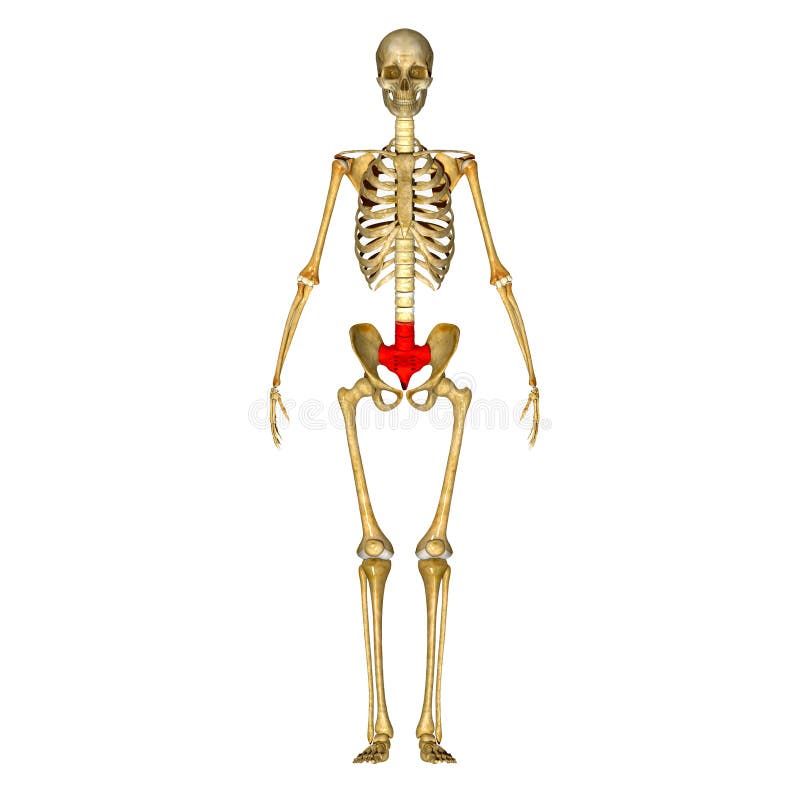
Free with trial Pelvic girdle or pelvis, sacrum and coccyx bones in color with body 3D rendering illustration isolated on white with copy space. Human skeleton anatomy, medical diagram, skeletal system concept. Pelvic hip girdle illustrations Pelvic girdle or pelvis, sacrum and coccyx bones in color with body 3D rendering illustration isolated on white with copy space.
Free with trial The pelvic region of the trunk is the lower part of the trunk, between the abdomen and the thighs. [1] It includes several structures: the bony pelvis, the pelvic cavity, the pelvic floor, and the perineum. The bony pelvis pelvic skeleton is the part of the skeleton embedded in the pelvic region of the trunk. It is subdivided into the pelvic girdle and the pelvic spine. Pelvic hip girdle illustrations Human Skeleton Hip or Pelvic bone Anatomy. The pelvic region of the trunk is the lower part of the trunk, between the abdomen and the thighs.[1] It includes several structures: the bony pelvis, the pelvic cavity, the pelvic floor, and the perineum. The bony pelvis pelvic skeleton is the part of the skeleton embedded in the pelvic region of the trunk. It is subdivided into the pelvic girdle and the pelvic spine.
Free with trial The pelvic region of the trunk is the lower part of the trunk, between the abdomen and the thighs. [1] It includes several structures: the bony pelvis, the pelvic cavity, the pelvic floor, and the perineum. The bony pelvis pelvic skeleton is the part of the skeleton embedded in the pelvic region of the trunk. It is subdivided into the pelvic girdle and the pelvic spine. Pelvic hip girdle illustrations Human Skeleton Hip or Pelvic bone Anatomy. The pelvic region of the trunk is the lower part of the trunk, between the abdomen and the thighs.[1] It includes several structures: the bony pelvis, the pelvic cavity, the pelvic floor, and the perineum. The bony pelvis pelvic skeleton is the part of the skeleton embedded in the pelvic region of the trunk. It is subdivided into the pelvic girdle and the pelvic spine.
Free with trial Black silhouette of hip bones structure. Main pelvic bones - sacrum, ilium, coccyx, pubis, ischium. Vector illustration isolated on white background. Pelvic hip girdle vectors Black silhouette of hip bones structure. Main pelvic bones - sacrum, ilium, coccyx, pubis, ischium. Vector illustration
Free with trial Fragment of the structure of the human skeleton. Pelvic girdle and thighs. Linear silhouette. Sign. Pelvic hip girdle illustrations Fragment of the structure of the human skeleton. Pelvic girdle and thighs. Linear silhouette. Sign
Free with trial The pelvis, also known as the pelvic girdle, is a bony structure located at the base of the spine between the abdomen and the lower limbs. It consists of several bones that are fused together, providing support for the upper body and connecting the spine to the lower limbs. Pelvic hip girdle illustrations Pelvis or pelvic girdle anatomy 3D illustration. The pelvis, also known as the pelvic girdle, is a bony structure located at the base of the spine between the. The pelvis, also known as the pelvic girdle, is a bony structure located at the base of the spine between the abdomen and the lower limbs. It consists of several bones that are fused together, providing support for the upper body and connecting the spine to the lower limbs.
Free with trial The hip bone is formed by three bones; ilium, ischium, and pubis. Pelvic hip girdle illustrations Pelvic hip. The hip bone is formed by three bones; ilium, ischium, and pubis.
Free with trial Located in the lower torso, the pelvis is a sturdy ring of bones that protects the delicate organs of the abdominopelvic cavity while anchoring the powerful muscles of the hip, thigh, and abdomen. Several bones unite to form the pelvis, including the sacrum, coccyx (tail bone), and the left and right coxal (hip) bones. Pelvic hip girdle illustrations Pelvic (hip) bone. Located in the lower torso, the pelvis is a sturdy ring of bones that protects the delicate organs of the abdominopelvic cavity while anchoring the powerful muscles of the hip, thigh, and abdomen. Several bones unite to form the pelvis, including the sacrum, coccyx (tail bone), and the left and right coxal (hip) bones.
Free with trial The hip bone is formed by three bones; ilium, ischium, and pubis. Pelvic hip girdle illustrations Palvic hip Girdle. The hip bone is formed by three bones; ilium, ischium, and pubis.
Free with trial The hip bone is formed by three bones; ilium, ischium, and pubis. Pelvic hip girdle illustrations Pelvic hip. The hip bone is formed by three bones; ilium, ischium, and pubis.
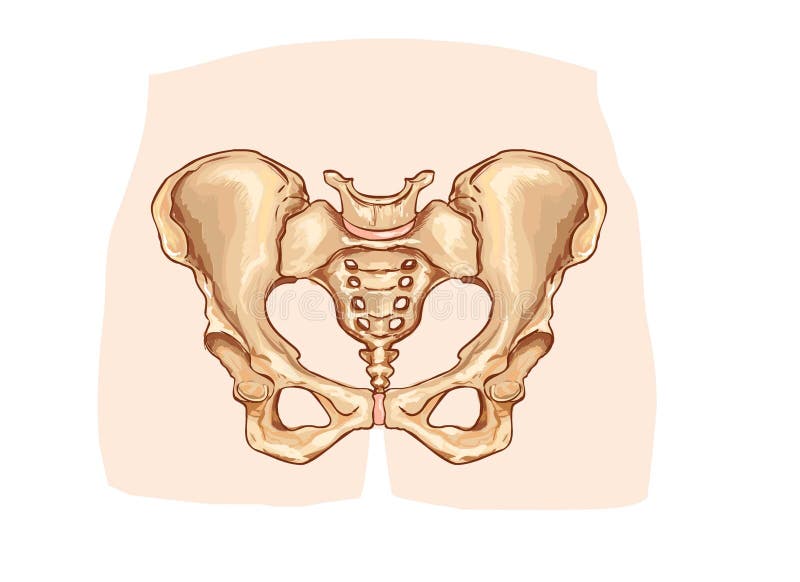
Free with trial Pelvic girdle, also called bony pelvis, in human anatomy, basin-shaped complex of bones that connects the trunk and legs, supports and balances the trunk, and contains and supports the intestines, urinary bladder, and internal sex organs. The pelvic girdle consists of paired hipbones, connected in front at the pubic symphysis and behind by the sacrum. Pelvic hip girdle illustrations Pelvic bone. Pelvic girdle, also called bony pelvis, in human anatomy, basin-shaped complex of bones that connects the trunk and legs, supports and balances the trunk, and contains and supports the intestines, urinary bladder, and internal sex organs. The pelvic girdle consists of paired hipbones, connected in front at the pubic symphysis and behind by the sacrum.
Free with trial Located in the lower torso, the pelvis is a sturdy ring of bones that protects the delicate organs of the abdominopelvic cavity while anchoring the powerful muscles of the hip, thigh, and abdomen. Several bones unite to form the pelvis, including the sacrum, coccyx (tail bone), and the left and right coxal (hip) bones. Pelvic hip girdle illustrations Pelvic (hip) bone. Located in the lower torso, the pelvis is a sturdy ring of bones that protects the delicate organs of the abdominopelvic cavity while anchoring the powerful muscles of the hip, thigh, and abdomen. Several bones unite to form the pelvis, including the sacrum, coccyx (tail bone), and the left and right coxal (hip) bones.
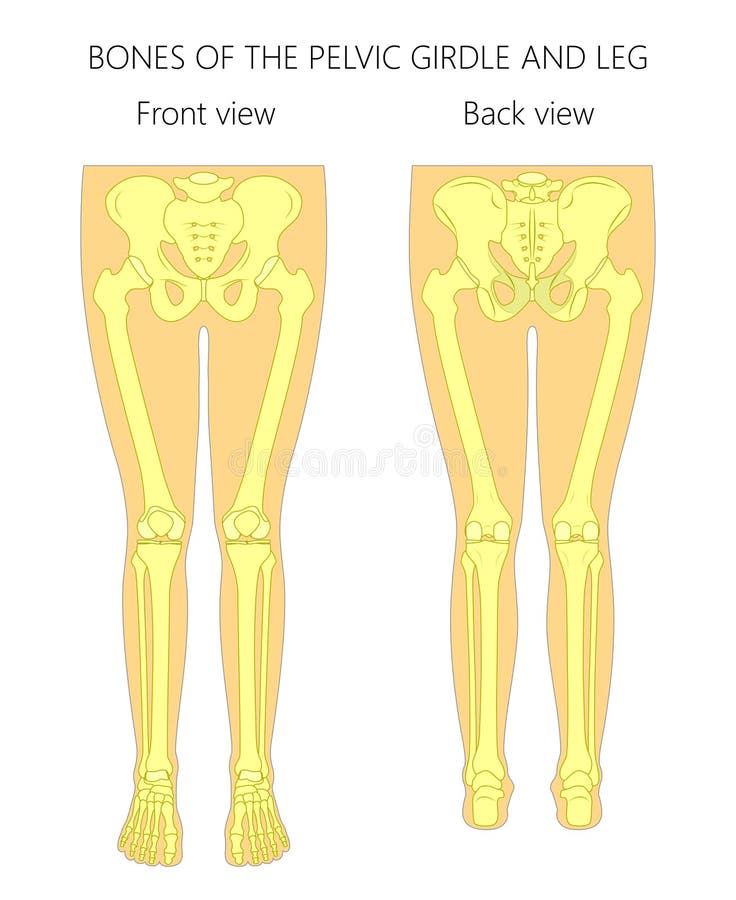
Free with trial Vector illustration anatomy of a human pelvic girdle and legs. Front and back view. For advertising and medical publications. EPS 8. Pelvic hip girdle vectors Anatomy_Bones of the pelvic gridle and leg. Vector illustration anatomy of a human pelvic girdle and legs. Front and back view. For advertising and medical publications. EPS 8.
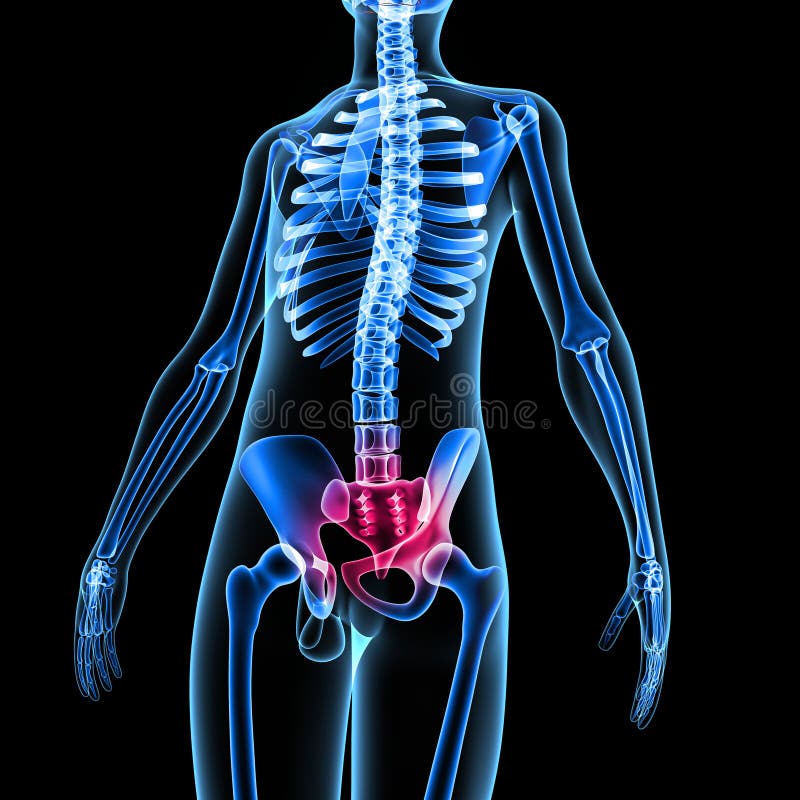
Free with trial Digital illustration of pelvic girdle and ribcage in colour background. Pelvic hip girdle illustrations Pelvic girdle and rib cage. Digital illustration of pelvic girdle and ribcage in colour background
Free with trial Pelvic girdle, also called bony pelvis, in human anatomy, basin-shaped complex of bones that connects the trunk and legs, supports and balances the trunk, and contains and supports the intestines, urinary bladder, and internal sex organs. The pelvic girdle consists of paired hipbones, connected in front at the pubic symphysis and behind by the sacrum. Pelvic hip girdle illustrations Right Hip Joint. Pelvic girdle, also called bony pelvis, in human anatomy, basin-shaped complex of bones that connects the trunk and legs, supports and balances the trunk, and contains and supports the intestines, urinary bladder, and internal sex organs. The pelvic girdle consists of paired hipbones, connected in front at the pubic symphysis and behind by the sacrum.
Free with trial Vector drawing of Pelvic Girdle Anatomy. Pelvic hip girdle vectors Pelvic Girdle Anatomy Vector. Vector drawing of Pelvic Girdle Anatomy
Free with trial 3d rendered medically accurate illustration of a hip replacement. Pelvic hip girdle illustrations A hip replacement
Free with trial The hip bone is formed by three bones; ilium, ischium, and pubis. Pelvic hip girdle illustrations Hip joint. The hip bone is formed by three bones; ilium, ischium, and pubis.
Free with trial 3d rendered medically accurate illustration of a hip replacement. Pelvic hip girdle illustrations A hip replacement
Free with trial 3d rendered medically accurate illustration of a hip replacement. Pelvic hip girdle illustrations A hip replacement
Free with trial The hip bone is formed by three bones; ilium, ischium, and pubis. Pelvic hip girdle illustrations Hip joint. The hip bone is formed by three bones; ilium, ischium, and pubis.
Free with trial 3d rendered medically accurate illustration of a hip replacement. Pelvic hip girdle illustrations A hip replacement
Free with trial 3d rendered medically accurate illustration of a painful hip replacement. Pelvic hip girdle illustrations A painful hip replacement
Free with trial 3d rendered medically accurate illustration of a painful hip replacement. Pelvic hip girdle illustrations A painful hip replacement
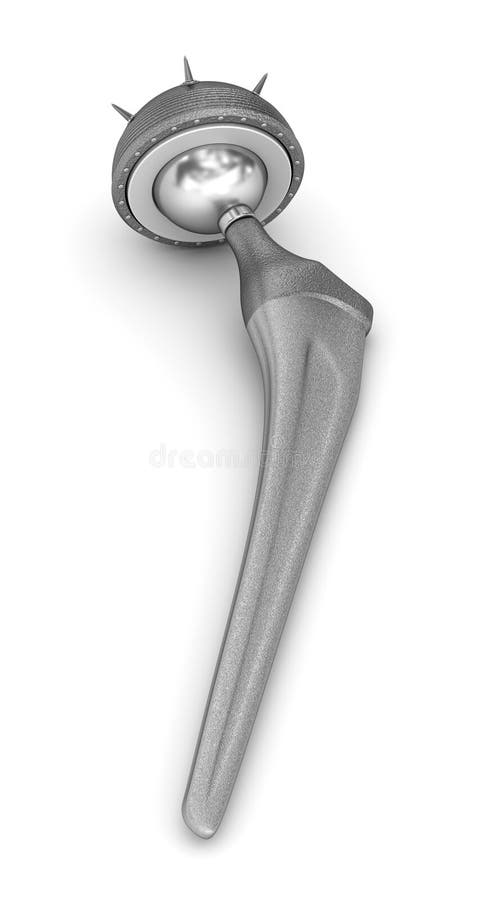
Free with trial Hip replacement implant isolated on white. Medically accurate 3D illustration. Pelvic hip girdle illustrations Hip replacement implant isolated on white
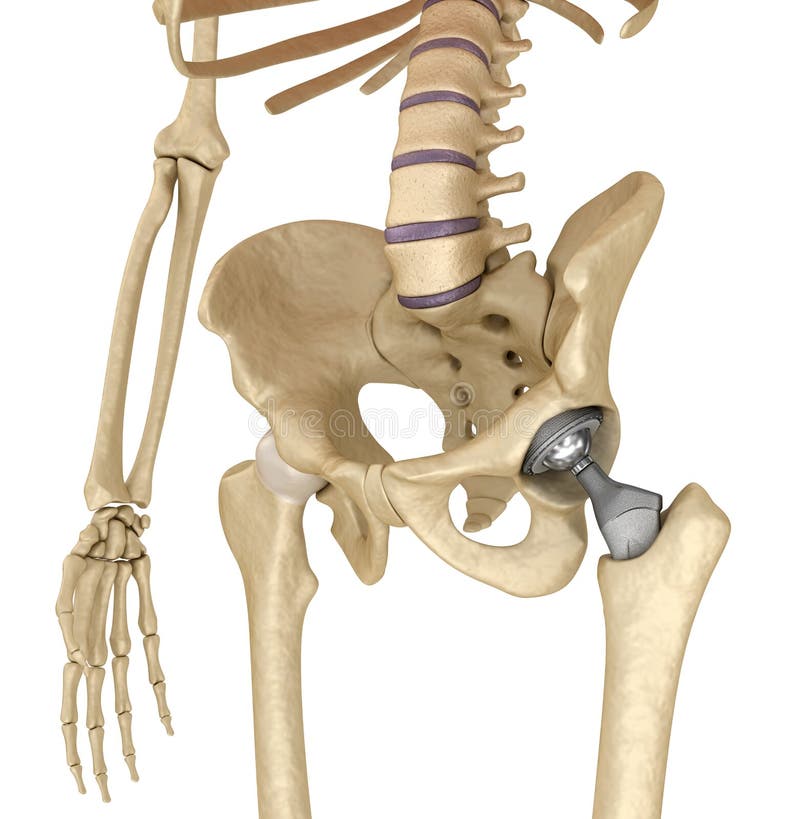
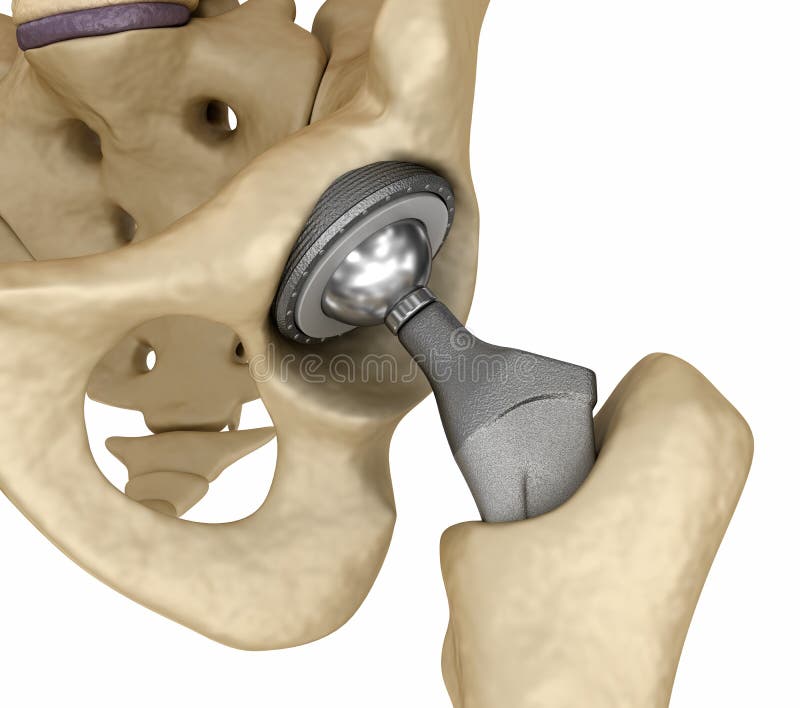
Free with trial Hip replacement implant installed in the pelvis bone. Medically accurate 3D illustration. Pelvic hip girdle illustrations Hip replacement implant installed in the pelvis bone.
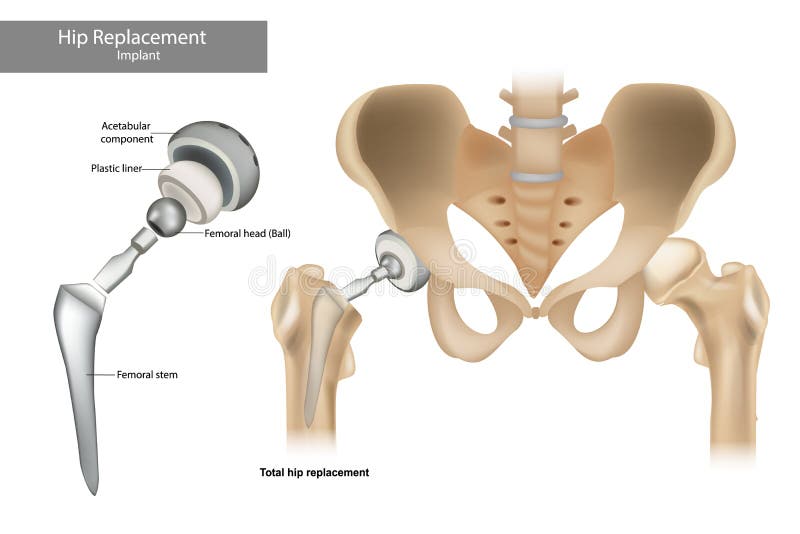
Free with trial Total hip replacement components. Hip Implant. Arthroplasty. Pelvic hip girdle vectors Total hip replacement components. Hip Implant.
Free with trial 3d rendered medically accurate illustration of a hip replacement. Pelvic hip girdle illustrations A hip replacement
Free with trial Hip replacement implant isolated on white. Medically accurate 3D illustration. Pelvic hip girdle illustrations Hip replacement implant isolated on white.
Free with trial The sacrum is a large, triangular bone at the base of the spine and at the upper, back part of the pelvic cavity, where it is inserted like a wedge between the two hip bones. Pelvic hip girdle illustrations Sacrum
Free with trial The hip bone is formed by three bones; ilium, ischium, and pubis. Pelvic hip girdle illustrations Hip joint. The hip bone is formed by three bones; ilium, ischium, and pubis.
Free with trial Located in the lower torso, the pelvis is a sturdy ring of bones that protects the delicate organs of the abdominopelvic cavity while anchoring the powerful muscles of the hip, thigh, and abdomen. Several bones unite to form the pelvis, including the sacrum, coccyx (tail bone), and the left and right coxal (hip) bones. Pelvic hip girdle illustrations Pelvic bone. Located in the lower torso, the pelvis is a sturdy ring of bones that protects the delicate organs of the abdominopelvic cavity while anchoring the powerful muscles of the hip, thigh, and abdomen. Several bones unite to form the pelvis, including the sacrum, coccyx (tail bone), and the left and right coxal (hip) bones.
Free with trial 3d rendered medically accurate illustration of a hip replacement. Pelvic hip girdle illustrations A hip replacement
Free with trial 3d rendered medically accurate illustration of a hip replacement. Pelvic hip girdle illustrations A hip replacement
Free with trial 3d rendered medically accurate illustration of a hip replacement. Pelvic hip girdle illustrations A hip replacement
Free with trial 3d rendered medically accurate illustration of a hip replacement. Pelvic hip girdle illustrations A hip replacement
Free with trial 3d rendered medically accurate illustration of a hip replacement. Pelvic hip girdle illustrations A hip replacement
Free with trial 3d rendered medically accurate illustration of a hip replacement. Pelvic hip girdle illustrations A hip replacement
Free with trial 3d rendered medically accurate illustration of a hip replacement. Pelvic hip girdle illustrations A hip replacement
Free with trial 3d rendered medically accurate illustration of a hip replacement. Pelvic hip girdle illustrations A hip replacement
Free with trial 3d rendered medically accurate illustration of a hip replacement. Pelvic hip girdle illustrations A hip replacement
Free with trial Hip replacement implant on white. Medically accurate 3D illustration. Pelvic hip girdle illustrations Hip replacement implant. Medically accurate 3D illustration
Free with trial Hand drawn anatomy set. Vector human body parts, bones. Hands, rib cage or ches, pelvic bones. Vintage medicinal illustration. Use for Haloween poster, medical atlas, science realistic image. Pelvic hip girdle vectors Hand drawn anatomy set. Vector human body parts, bones. Hands, rib cage or ches, pelvic bones. Vintage medicinal
Free with trial The hip bone is formed by three bones; ilium, ischium, and pubis. Pelvic hip girdle illustrations Hip joint. The hip bone is formed by three bones; ilium, ischium, and pubis.
Free with trial The hip bone is formed by three bones; ilium, ischium, and pubis. Pelvic hip girdle illustrations Hip joint. The hip bone is formed by three bones; ilium, ischium, and pubis.
Free with trial 3d rendered medically accurate illustration of a painful hip replacement. Pelvic hip girdle illustrations A painful hip replacement
Free with trial 3d rendered medically accurate illustration of a painful hip replacement. Pelvic hip girdle illustrations A painful hip replacement
Free with trial 3d rendered medically accurate illustration of a painful hip replacement. Pelvic hip girdle illustrations A painful hip replacement
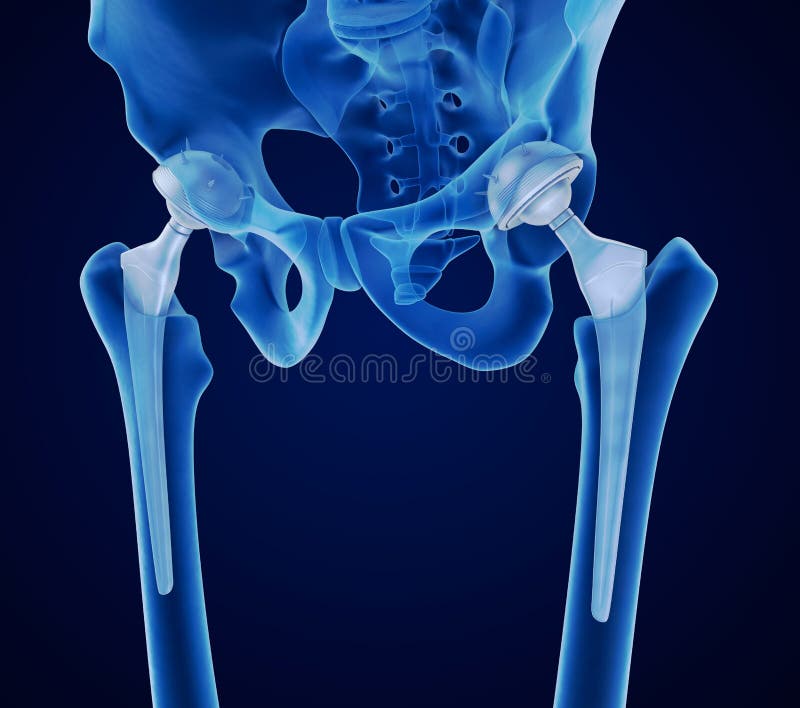
Free with trial Hip replacement implant installed in the pelvis bone. X-ray view. Medically accurate 3D illustration. Pelvic hip girdle illustrations Hip replacement implant installed in the pelvis bone. X-ray view. Medically accurate illustration
Free with trial Hip replacement implant isolated on white. Medically accurate 3D illustration. Pelvic hip girdle illustrations Hip replacement implant isolated on white
Free with trial Hip replacement implant installed in the pelvis bone. Medically accurate 3D illustration. Pelvic hip girdle illustrations Hip replacement implant installed in the pelvis bone
Free with trial 3d rendered medically accurate illustration of a hip replacement. Pelvic hip girdle illustrations A hip replacement
Free with trial Hip replacement implant installed in the pelvis bone. X-ray view. Medically accurate 3D illustration. Pelvic hip girdle illustrations Hip replacement implant installed in the pelvis bone. X-ray view.
Free with trial Pelvis hip illustration front and rear view isolated on white background eps 10. Pelvic hip girdle illustrations Pelvis hip illustration front and rear view isolated on white background
Free with trial Total hip replacement components and Hemiarthroplasty. Hip Implant. Pelvic hip girdle vectors Total hip replacement components and Hemiarthroplasty. Implant
Free with trial Hand drawn anatomy set. Vector human body parts, bones. Hands, rib cage or ches, pelvic bones. Vintage medicinal illustration. Use for Haloween poster, medical atlas, science realistic image. Pelvic hip girdle vectors Hand drawn anatomy set. Vector human body parts, bones. Hands, rib cage or ches, pelvic bones. Vintage medicinal
Free with trial Hip replacement implant installed in the pelvis bone. X-ray view. Medically accurate 3D illustration. Pelvic hip girdle illustrations Hip replacement implant installed in the pelvis bone. X-ray view. Medically accurate illustration
Free with trial Pelvis bones of pelvic girdle, vector sketch of human anatomy and medicine. Bones and joints structure of skeleton hips, sacrum, femur and coccyx, sacral promontory, pubic arch and iliac spine. Pelvic hip girdle vectors Pelvis bones, human anatomy vector sketch. Pelvis bones of pelvic girdle, vector sketch of human anatomy and medicine. Bones and joints structure of skeleton hips, sacrum, femur and coccyx, sacral promontory, pubic arch and iliac spine
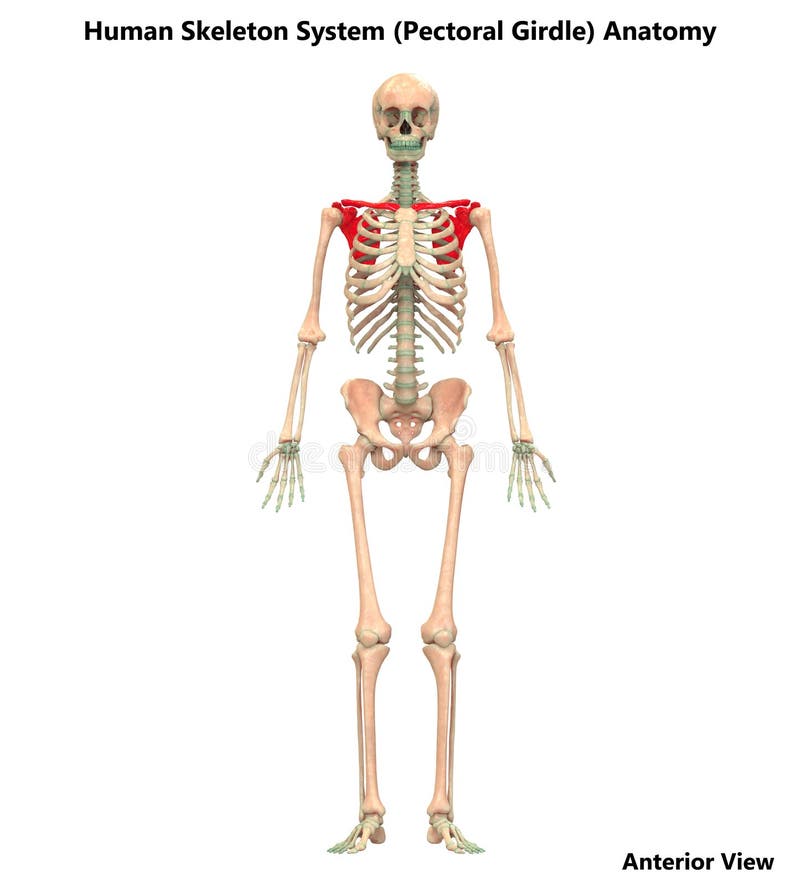
Free with trial 3D Illustration of Human Body Skeleton System Pectoral Girdle Bone Joints Anatomy. Pelvic hip girdle illustrations Human Body Skeleton System Pectoral Girdle Bone Joints Anatomy
Free with trial 3D illustration of Hip replacement implant installed in the pelvis bone. Pelvic hip girdle illustrations 3D illustration of Hip replacement implant installed in the pelvis bone
Free with trial Hip joint close-up 3D rendering illustration isolated on white with copy space. Human skeleton and pelvis anatomy, medical diagram, osteology, skeletal system, science, biology concepts. Pelvic hip girdle illustrations Hip joint close-up 3D rendering illustration isolated on white with copy space. Human skeleton and pelvis anatomy, medical diagram
 Sign in







![The two hip bones join at the pubic symphysis and together with the sacrum and coccyx the pelvic part of the spine comprise the skeletal component of the pelvis – the pelvic girdle which surrounds the pelvic cavity. They are connected to the sacrum, which is part of the axial skeleton, at the sacroiliac joint. Each hip bone is connected to the corresponding femur thigh bone forming the primary connection between the bones of the lower limb and the axial skeleton through the large ball and socket joint of the hip. [2]. Pelvic hip girdle illustrations](https://thumbs.dreamstime.com/b/two-hip-bones-join-pubic-symphysis-together-sacrum-coccyx-pelvic-part-spine-comprise-skeletal-component-pelvis-116766762.jpg)

![The pelvic region of the trunk is the lower part of the trunk, between the abdomen and the thighs. [1] It includes several structures: the bony pelvis, the pelvic cavity, the pelvic floor, and the perineum. The bony pelvis pelvic skeleton is the part of the skeleton embedded in the pelvic region of the trunk. It is subdivided into the pelvic girdle and the pelvic spine. Pelvic hip girdle illustrations](https://thumbs.dreamstime.com/b/pelvic-region-trunk-lower-part-abdomen-thighs-includes-several-structures-bony-pelvis-cavity-floor-219498713.jpg)
![The pelvic region of the trunk is the lower part of the trunk, between the abdomen and the thighs. [1] It includes several structures: the bony pelvis, the pelvic cavity, the pelvic floor, and the perineum. The bony pelvis pelvic skeleton is the part of the skeleton embedded in the pelvic region of the trunk. It is subdivided into the pelvic girdle and the pelvic spine. Pelvic hip girdle illustrations](https://thumbs.dreamstime.com/b/pelvic-region-trunk-lower-part-abdomen-thighs-includes-several-structures-bony-pelvis-cavity-floor-219498707.jpg)