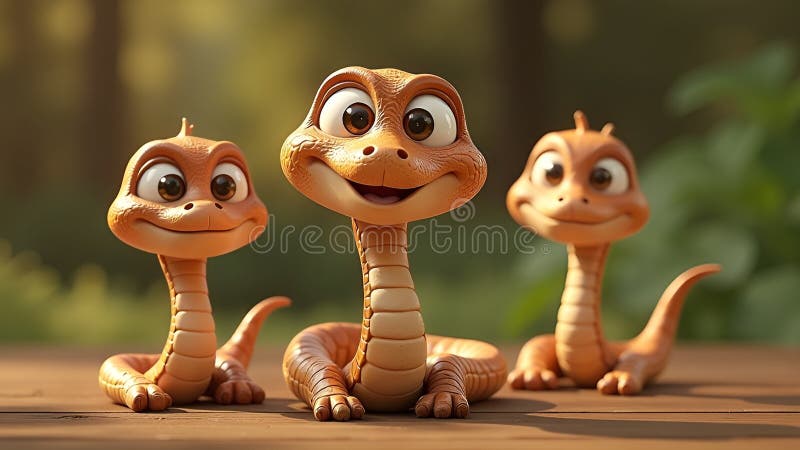
Free with trial The Chinese dragon is a mythical creature in traditional Chinese culture, typically described as a colossal serpent-like being with scales resembling those of a python. It has features such as mane, deer horns, deer ears, hooves, ox whiskers, catfish-like whiskers, the eyes of a deer, and tiger fangs. It is usually a fearsome yet auspicious presence. In Chinese culture, the Chinese dragon is considered a symbol of good fortune, authority, and power, often appearing in festivals and significant events. Serpent python illustrations A highly realistic Chinese dragon in various environments. The Chinese dragon is a mythical creature in traditional Chinese culture, typically described as a. The Chinese dragon is a mythical creature in traditional Chinese culture, typically described as a colossal serpent-like being with scales resembling those of a python. It has features such as mane, deer horns, deer ears, hooves, ox whiskers, catfish-like whiskers, the eyes of a deer, and tiger fangs. It is usually a fearsome yet auspicious presence. In Chinese culture, the Chinese dragon is considered a symbol of good fortune, authority, and power, often appearing in festivals and significant events.
Free with trial The Chinese dragon is a mythical creature in traditional Chinese culture, typically described as a colossal serpent-like being with scales resembling those of a python. It has features such as mane, deer horns, deer ears, hooves, ox whiskers, catfish-like whiskers, the eyes of a deer, and tiger fangs. It is usually a fearsome yet auspicious presence. In Chinese culture, the Chinese dragon is considered a symbol of good fortune, authority, and power, often appearing in festivals and significant events. Serpent python illustrations A highly realistic Chinese dragon in various environments. The Chinese dragon is a mythical creature in traditional Chinese culture, typically described as a. The Chinese dragon is a mythical creature in traditional Chinese culture, typically described as a colossal serpent-like being with scales resembling those of a python. It has features such as mane, deer horns, deer ears, hooves, ox whiskers, catfish-like whiskers, the eyes of a deer, and tiger fangs. It is usually a fearsome yet auspicious presence. In Chinese culture, the Chinese dragon is considered a symbol of good fortune, authority, and power, often appearing in festivals and significant events.
Free with trial The Chinese dragon is a mythical creature in traditional Chinese culture, typically described as a colossal serpent-like being with scales resembling those of a python. It has features such as mane, deer horns, deer ears, hooves, ox whiskers, catfish-like whiskers, the eyes of a deer, and tiger fangs. It is usually a fearsome yet auspicious presence. In Chinese culture, the Chinese dragon is considered a symbol of good fortune, authority, and power, often appearing in festivals and significant events. Serpent python illustrations A highly realistic Chinese dragon in various environments. The Chinese dragon is a mythical creature in traditional Chinese culture, typically described as a. The Chinese dragon is a mythical creature in traditional Chinese culture, typically described as a colossal serpent-like being with scales resembling those of a python. It has features such as mane, deer horns, deer ears, hooves, ox whiskers, catfish-like whiskers, the eyes of a deer, and tiger fangs. It is usually a fearsome yet auspicious presence. In Chinese culture, the Chinese dragon is considered a symbol of good fortune, authority, and power, often appearing in festivals and significant events.
Free with trial The Chinese dragon is a mythical creature in traditional Chinese culture, typically described as a colossal serpent-like being with scales resembling those of a python. It has features such as mane, deer horns, deer ears, hooves, ox whiskers, catfish-like whiskers, the eyes of a deer, and tiger fangs. It is usually a fearsome yet auspicious presence. In Chinese culture, the Chinese dragon is considered a symbol of good fortune, authority, and power, often appearing in festivals and significant events. Serpent python illustrations A highly realistic Chinese dragon in various environments. The Chinese dragon is a mythical creature in traditional Chinese culture, typically described as a. The Chinese dragon is a mythical creature in traditional Chinese culture, typically described as a colossal serpent-like being with scales resembling those of a python. It has features such as mane, deer horns, deer ears, hooves, ox whiskers, catfish-like whiskers, the eyes of a deer, and tiger fangs. It is usually a fearsome yet auspicious presence. In Chinese culture, the Chinese dragon is considered a symbol of good fortune, authority, and power, often appearing in festivals and significant events.
Free with trial The Chinese dragon is a mythical creature in traditional Chinese culture, typically described as a colossal serpent-like being with scales resembling those of a python. It has features such as mane, deer horns, deer ears, hooves, ox whiskers, catfish-like whiskers, the eyes of a deer, and tiger fangs. It is usually a fearsome yet auspicious presence. In Chinese culture, the Chinese dragon is considered a symbol of good fortune, authority, and power, often appearing in festivals and significant events. Serpent python illustrations A highly realistic Chinese dragon in various environments. The Chinese dragon is a mythical creature in traditional Chinese culture, typically described as a. The Chinese dragon is a mythical creature in traditional Chinese culture, typically described as a colossal serpent-like being with scales resembling those of a python. It has features such as mane, deer horns, deer ears, hooves, ox whiskers, catfish-like whiskers, the eyes of a deer, and tiger fangs. It is usually a fearsome yet auspicious presence. In Chinese culture, the Chinese dragon is considered a symbol of good fortune, authority, and power, often appearing in festivals and significant events.
Free with trial The Chinese dragon is a mythical creature in traditional Chinese culture, typically described as a colossal serpent-like being with scales resembling those of a python. It has features such as mane, deer horns, deer ears, hooves, ox whiskers, catfish-like whiskers, the eyes of a deer, and tiger fangs. It is usually a fearsome yet auspicious presence. In Chinese culture, the Chinese dragon is considered a symbol of good fortune, authority, and power, often appearing in festivals and significant events. Serpent python illustrations A highly realistic Chinese dragon in various environments. The Chinese dragon is a mythical creature in traditional Chinese culture, typically described as a. The Chinese dragon is a mythical creature in traditional Chinese culture, typically described as a colossal serpent-like being with scales resembling those of a python. It has features such as mane, deer horns, deer ears, hooves, ox whiskers, catfish-like whiskers, the eyes of a deer, and tiger fangs. It is usually a fearsome yet auspicious presence. In Chinese culture, the Chinese dragon is considered a symbol of good fortune, authority, and power, often appearing in festivals and significant events.
Free with trial The Chinese dragon is a mythical creature in traditional Chinese culture, typically described as a colossal serpent-like being with scales resembling those of a python. It has features such as mane, deer horns, deer ears, hooves, ox whiskers, catfish-like whiskers, the eyes of a deer, and tiger fangs. It is usually a fearsome yet auspicious presence. In Chinese culture, the Chinese dragon is considered a symbol of good fortune, authority, and power, often appearing in festivals and significant events. Serpent python illustrations A highly realistic Chinese dragon in various environments. The Chinese dragon is a mythical creature in traditional Chinese culture, typically described as a. The Chinese dragon is a mythical creature in traditional Chinese culture, typically described as a colossal serpent-like being with scales resembling those of a python. It has features such as mane, deer horns, deer ears, hooves, ox whiskers, catfish-like whiskers, the eyes of a deer, and tiger fangs. It is usually a fearsome yet auspicious presence. In Chinese culture, the Chinese dragon is considered a symbol of good fortune, authority, and power, often appearing in festivals and significant events.
Free with trial The Chinese dragon is a mythical creature in traditional Chinese culture, typically described as a colossal serpent-like being with scales resembling those of a python. It has features such as mane, deer horns, deer ears, hooves, ox whiskers, catfish-like whiskers, the eyes of a deer, and tiger fangs. It is usually a fearsome yet auspicious presence. In Chinese culture, the Chinese dragon is considered a symbol of good fortune, authority, and power, often appearing in festivals and significant events. Serpent python illustrations A highly realistic Chinese dragon in various environments. The Chinese dragon is a mythical creature in traditional Chinese culture, typically described as a. The Chinese dragon is a mythical creature in traditional Chinese culture, typically described as a colossal serpent-like being with scales resembling those of a python. It has features such as mane, deer horns, deer ears, hooves, ox whiskers, catfish-like whiskers, the eyes of a deer, and tiger fangs. It is usually a fearsome yet auspicious presence. In Chinese culture, the Chinese dragon is considered a symbol of good fortune, authority, and power, often appearing in festivals and significant events.
Free with trial The Chinese dragon is a mythical creature in traditional Chinese culture, typically described as a colossal serpent-like being with scales resembling those of a python. It has features such as mane, deer horns, deer ears, hooves, ox whiskers, catfish-like whiskers, the eyes of a deer, and tiger fangs. It is usually a fearsome yet auspicious presence. In Chinese culture, the Chinese dragon is considered a symbol of good fortune, authority, and power, often appearing in festivals and significant events. Serpent python illustrations A highly realistic Chinese dragon in various environments. The Chinese dragon is a mythical creature in traditional Chinese culture, typically described as a. The Chinese dragon is a mythical creature in traditional Chinese culture, typically described as a colossal serpent-like being with scales resembling those of a python. It has features such as mane, deer horns, deer ears, hooves, ox whiskers, catfish-like whiskers, the eyes of a deer, and tiger fangs. It is usually a fearsome yet auspicious presence. In Chinese culture, the Chinese dragon is considered a symbol of good fortune, authority, and power, often appearing in festivals and significant events.
Free with trial The Chinese dragon is a mythical creature in traditional Chinese culture, typically described as a colossal serpent-like being with scales resembling those of a python. It has features such as mane, deer horns, deer ears, hooves, ox whiskers, catfish-like whiskers, the eyes of a deer, and tiger fangs. It is usually a fearsome yet auspicious presence. In Chinese culture, the Chinese dragon is considered a symbol of good fortune, authority, and power, often appearing in festivals and significant events. Serpent python illustrations A highly realistic Chinese dragon in various environments. The Chinese dragon is a mythical creature in traditional Chinese culture, typically described as a. The Chinese dragon is a mythical creature in traditional Chinese culture, typically described as a colossal serpent-like being with scales resembling those of a python. It has features such as mane, deer horns, deer ears, hooves, ox whiskers, catfish-like whiskers, the eyes of a deer, and tiger fangs. It is usually a fearsome yet auspicious presence. In Chinese culture, the Chinese dragon is considered a symbol of good fortune, authority, and power, often appearing in festivals and significant events.
Free with trial The Chinese dragon is a mythical creature in traditional Chinese culture, typically described as a colossal serpent-like being with scales resembling those of a python. It has features such as mane, deer horns, deer ears, hooves, ox whiskers, catfish-like whiskers, the eyes of a deer, and tiger fangs. It is usually a fearsome yet auspicious presence. In Chinese culture, the Chinese dragon is considered a symbol of good fortune, authority, and power, often appearing in festivals and significant events. Serpent python illustrations A highly realistic Chinese dragon in various environments. The Chinese dragon is a mythical creature in traditional Chinese culture, typically described as a. The Chinese dragon is a mythical creature in traditional Chinese culture, typically described as a colossal serpent-like being with scales resembling those of a python. It has features such as mane, deer horns, deer ears, hooves, ox whiskers, catfish-like whiskers, the eyes of a deer, and tiger fangs. It is usually a fearsome yet auspicious presence. In Chinese culture, the Chinese dragon is considered a symbol of good fortune, authority, and power, often appearing in festivals and significant events.
Free with trial The Chinese dragon is a mythical creature in traditional Chinese culture, typically described as a colossal serpent-like being with scales resembling those of a python. It has features such as mane, deer horns, deer ears, hooves, ox whiskers, catfish-like whiskers, the eyes of a deer, and tiger fangs. It is usually a fearsome yet auspicious presence. In Chinese culture, the Chinese dragon is considered a symbol of good fortune, authority, and power, often appearing in festivals and significant events. Serpent python illustrations A highly realistic Chinese dragon in various environments. The Chinese dragon is a mythical creature in traditional Chinese culture, typically described as a. The Chinese dragon is a mythical creature in traditional Chinese culture, typically described as a colossal serpent-like being with scales resembling those of a python. It has features such as mane, deer horns, deer ears, hooves, ox whiskers, catfish-like whiskers, the eyes of a deer, and tiger fangs. It is usually a fearsome yet auspicious presence. In Chinese culture, the Chinese dragon is considered a symbol of good fortune, authority, and power, often appearing in festivals and significant events.
Free with trial The Chinese dragon is a mythical creature in traditional Chinese culture, typically described as a colossal serpent-like being with scales resembling those of a python. It has features such as mane, deer horns, deer ears, hooves, ox whiskers, catfish-like whiskers, the eyes of a deer, and tiger fangs. It is usually a fearsome yet auspicious presence. In Chinese culture, the Chinese dragon is considered a symbol of good fortune, authority, and power, often appearing in festivals and significant events. Serpent python illustrations A highly realistic Chinese dragon in various environments. The Chinese dragon is a mythical creature in traditional Chinese culture, typically described as a. The Chinese dragon is a mythical creature in traditional Chinese culture, typically described as a colossal serpent-like being with scales resembling those of a python. It has features such as mane, deer horns, deer ears, hooves, ox whiskers, catfish-like whiskers, the eyes of a deer, and tiger fangs. It is usually a fearsome yet auspicious presence. In Chinese culture, the Chinese dragon is considered a symbol of good fortune, authority, and power, often appearing in festivals and significant events.
Free with trial The Chinese dragon is a mythical creature in traditional Chinese culture, typically described as a colossal serpent-like being with scales resembling those of a python. It has features such as mane, deer horns, deer ears, hooves, ox whiskers, catfish-like whiskers, the eyes of a deer, and tiger fangs. It is usually a fearsome yet auspicious presence. In Chinese culture, the Chinese dragon is considered a symbol of good fortune, authority, and power, often appearing in festivals and significant events. Serpent python illustrations A highly realistic Chinese dragon in various environments. The Chinese dragon is a mythical creature in traditional Chinese culture, typically described as a. The Chinese dragon is a mythical creature in traditional Chinese culture, typically described as a colossal serpent-like being with scales resembling those of a python. It has features such as mane, deer horns, deer ears, hooves, ox whiskers, catfish-like whiskers, the eyes of a deer, and tiger fangs. It is usually a fearsome yet auspicious presence. In Chinese culture, the Chinese dragon is considered a symbol of good fortune, authority, and power, often appearing in festivals and significant events.
Free with trial The Chinese dragon is a mythical creature in traditional Chinese culture, typically described as a colossal serpent-like being with scales resembling those of a python. It has features such as mane, deer horns, deer ears, hooves, ox whiskers, catfish-like whiskers, the eyes of a deer, and tiger fangs. It is usually a fearsome yet auspicious presence. In Chinese culture, the Chinese dragon is considered a symbol of good fortune, authority, and power, often appearing in festivals and significant events. Serpent python illustrations A highly realistic Chinese dragon in various environments. The Chinese dragon is a mythical creature in traditional Chinese culture, typically described as a. The Chinese dragon is a mythical creature in traditional Chinese culture, typically described as a colossal serpent-like being with scales resembling those of a python. It has features such as mane, deer horns, deer ears, hooves, ox whiskers, catfish-like whiskers, the eyes of a deer, and tiger fangs. It is usually a fearsome yet auspicious presence. In Chinese culture, the Chinese dragon is considered a symbol of good fortune, authority, and power, often appearing in festivals and significant events.
Free with trial The Chinese dragon is a mythical creature in traditional Chinese culture, typically described as a colossal serpent-like being with scales resembling those of a python. It has features such as mane, deer horns, deer ears, hooves, ox whiskers, catfish-like whiskers, the eyes of a deer, and tiger fangs. It is usually a fearsome yet auspicious presence. In Chinese culture, the Chinese dragon is considered a symbol of good fortune, authority, and power, often appearing in festivals and significant events. Serpent python illustrations A highly realistic Chinese dragon in various environments. The Chinese dragon is a mythical creature in traditional Chinese culture, typically described as a. The Chinese dragon is a mythical creature in traditional Chinese culture, typically described as a colossal serpent-like being with scales resembling those of a python. It has features such as mane, deer horns, deer ears, hooves, ox whiskers, catfish-like whiskers, the eyes of a deer, and tiger fangs. It is usually a fearsome yet auspicious presence. In Chinese culture, the Chinese dragon is considered a symbol of good fortune, authority, and power, often appearing in festivals and significant events.
Free with trial The Chinese dragon is a mythical creature in traditional Chinese culture, typically described as a colossal serpent-like being with scales resembling those of a python. It has features such as mane, deer horns, deer ears, hooves, ox whiskers, catfish-like whiskers, the eyes of a deer, and tiger fangs. It is usually a fearsome yet auspicious presence. In Chinese culture, the Chinese dragon is considered a symbol of good fortune, authority, and power, often appearing in festivals and significant events. Serpent python illustrations A highly realistic Chinese dragon in various environments. The Chinese dragon is a mythical creature in traditional Chinese culture, typically described as a. The Chinese dragon is a mythical creature in traditional Chinese culture, typically described as a colossal serpent-like being with scales resembling those of a python. It has features such as mane, deer horns, deer ears, hooves, ox whiskers, catfish-like whiskers, the eyes of a deer, and tiger fangs. It is usually a fearsome yet auspicious presence. In Chinese culture, the Chinese dragon is considered a symbol of good fortune, authority, and power, often appearing in festivals and significant events.
Free with trial The Chinese dragon is a mythical creature in traditional Chinese culture, typically described as a colossal serpent-like being with scales resembling those of a python. It has features such as mane, deer horns, deer ears, hooves, ox whiskers, catfish-like whiskers, the eyes of a deer, and tiger fangs. It is usually a fearsome yet auspicious presence. In Chinese culture, the Chinese dragon is considered a symbol of good fortune, authority, and power, often appearing in festivals and significant events. Serpent python illustrations A highly realistic Chinese dragon in various environments. The Chinese dragon is a mythical creature in traditional Chinese culture, typically described as a. The Chinese dragon is a mythical creature in traditional Chinese culture, typically described as a colossal serpent-like being with scales resembling those of a python. It has features such as mane, deer horns, deer ears, hooves, ox whiskers, catfish-like whiskers, the eyes of a deer, and tiger fangs. It is usually a fearsome yet auspicious presence. In Chinese culture, the Chinese dragon is considered a symbol of good fortune, authority, and power, often appearing in festivals and significant events.
Free with trial The Chinese dragon is a mythical creature in traditional Chinese culture, typically described as a colossal serpent-like being with scales resembling those of a python. It has features such as mane, deer horns, deer ears, hooves, ox whiskers, catfish-like whiskers, the eyes of a deer, and tiger fangs. It is usually a fearsome yet auspicious presence. In Chinese culture, the Chinese dragon is considered a symbol of good fortune, authority, and power, often appearing in festivals and significant events. Serpent python illustrations A highly realistic Chinese dragon in various environments. The Chinese dragon is a mythical creature in traditional Chinese culture, typically described as a. The Chinese dragon is a mythical creature in traditional Chinese culture, typically described as a colossal serpent-like being with scales resembling those of a python. It has features such as mane, deer horns, deer ears, hooves, ox whiskers, catfish-like whiskers, the eyes of a deer, and tiger fangs. It is usually a fearsome yet auspicious presence. In Chinese culture, the Chinese dragon is considered a symbol of good fortune, authority, and power, often appearing in festivals and significant events.
Free with trial The Chinese dragon is a mythical creature in traditional Chinese culture, typically described as a colossal serpent-like being with scales resembling those of a python. It has features such as mane, deer horns, deer ears, hooves, ox whiskers, catfish-like whiskers, the eyes of a deer, and tiger fangs. It is usually a fearsome yet auspicious presence. In Chinese culture, the Chinese dragon is considered a symbol of good fortune, authority, and power, often appearing in festivals and significant events. Serpent python illustrations A highly realistic Chinese dragon in various environments. The Chinese dragon is a mythical creature in traditional Chinese culture, typically described as a. The Chinese dragon is a mythical creature in traditional Chinese culture, typically described as a colossal serpent-like being with scales resembling those of a python. It has features such as mane, deer horns, deer ears, hooves, ox whiskers, catfish-like whiskers, the eyes of a deer, and tiger fangs. It is usually a fearsome yet auspicious presence. In Chinese culture, the Chinese dragon is considered a symbol of good fortune, authority, and power, often appearing in festivals and significant events.
Free with trial The Chinese dragon is a mythical creature in traditional Chinese culture, typically described as a colossal serpent-like being with scales resembling those of a python. It has features such as mane, deer horns, deer ears, hooves, ox whiskers, catfish-like whiskers, the eyes of a deer, and tiger fangs. It is usually a fearsome yet auspicious presence. In Chinese culture, the Chinese dragon is considered a symbol of good fortune, authority, and power, often appearing in festivals and significant events. Serpent python illustrations A highly realistic Chinese dragon in various environments. The Chinese dragon is a mythical creature in traditional Chinese culture, typically described as a. The Chinese dragon is a mythical creature in traditional Chinese culture, typically described as a colossal serpent-like being with scales resembling those of a python. It has features such as mane, deer horns, deer ears, hooves, ox whiskers, catfish-like whiskers, the eyes of a deer, and tiger fangs. It is usually a fearsome yet auspicious presence. In Chinese culture, the Chinese dragon is considered a symbol of good fortune, authority, and power, often appearing in festivals and significant events.
Free with trial The Chinese dragon is a mythical creature in traditional Chinese culture, typically described as a colossal serpent-like being with scales resembling those of a python. It has features such as mane, deer horns, deer ears, hooves, ox whiskers, catfish-like whiskers, the eyes of a deer, and tiger fangs. It is usually a fearsome yet auspicious presence. In Chinese culture, the Chinese dragon is considered a symbol of good fortune, authority, and power, often appearing in festivals and significant events. Serpent python illustrations A highly realistic Chinese dragon in various environments. The Chinese dragon is a mythical creature in traditional Chinese culture, typically described as a. The Chinese dragon is a mythical creature in traditional Chinese culture, typically described as a colossal serpent-like being with scales resembling those of a python. It has features such as mane, deer horns, deer ears, hooves, ox whiskers, catfish-like whiskers, the eyes of a deer, and tiger fangs. It is usually a fearsome yet auspicious presence. In Chinese culture, the Chinese dragon is considered a symbol of good fortune, authority, and power, often appearing in festivals and significant events.
Free with trial The Chinese dragon is a mythical creature in traditional Chinese culture, typically described as a colossal serpent-like being with scales resembling those of a python. It has features such as mane, deer horns, deer ears, hooves, ox whiskers, catfish-like whiskers, the eyes of a deer, and tiger fangs. It is usually a fearsome yet auspicious presence. In Chinese culture, the Chinese dragon is considered a symbol of good fortune, authority, and power, often appearing in festivals and significant events. Serpent python illustrations A highly realistic Chinese dragon in various environments. The Chinese dragon is a mythical creature in traditional Chinese culture, typically described as a. The Chinese dragon is a mythical creature in traditional Chinese culture, typically described as a colossal serpent-like being with scales resembling those of a python. It has features such as mane, deer horns, deer ears, hooves, ox whiskers, catfish-like whiskers, the eyes of a deer, and tiger fangs. It is usually a fearsome yet auspicious presence. In Chinese culture, the Chinese dragon is considered a symbol of good fortune, authority, and power, often appearing in festivals and significant events.
Free with trial The Chinese dragon is a mythical creature in traditional Chinese culture, typically described as a colossal serpent-like being with scales resembling those of a python. It has features such as mane, deer horns, deer ears, hooves, ox whiskers, catfish-like whiskers, the eyes of a deer, and tiger fangs. It is usually a fearsome yet auspicious presence. In Chinese culture, the Chinese dragon is considered a symbol of good fortune, authority, and power, often appearing in festivals and significant events. Serpent python illustrations A highly realistic Chinese dragon in various environments. The Chinese dragon is a mythical creature in traditional Chinese culture, typically described as a. The Chinese dragon is a mythical creature in traditional Chinese culture, typically described as a colossal serpent-like being with scales resembling those of a python. It has features such as mane, deer horns, deer ears, hooves, ox whiskers, catfish-like whiskers, the eyes of a deer, and tiger fangs. It is usually a fearsome yet auspicious presence. In Chinese culture, the Chinese dragon is considered a symbol of good fortune, authority, and power, often appearing in festivals and significant events.
Free with trial The Chinese dragon is a mythical creature in traditional Chinese culture, typically described as a colossal serpent-like being with scales resembling those of a python. It has features such as mane, deer horns, deer ears, hooves, ox whiskers, catfish-like whiskers, the eyes of a deer, and tiger fangs. It is usually a fearsome yet auspicious presence. In Chinese culture, the Chinese dragon is considered a symbol of good fortune, authority, and power, often appearing in festivals and significant events. Serpent python illustrations A highly realistic Chinese dragon in various environments. The Chinese dragon is a mythical creature in traditional Chinese culture, typically described as a. The Chinese dragon is a mythical creature in traditional Chinese culture, typically described as a colossal serpent-like being with scales resembling those of a python. It has features such as mane, deer horns, deer ears, hooves, ox whiskers, catfish-like whiskers, the eyes of a deer, and tiger fangs. It is usually a fearsome yet auspicious presence. In Chinese culture, the Chinese dragon is considered a symbol of good fortune, authority, and power, often appearing in festivals and significant events.
Free with trial The Chinese dragon is a mythical creature in traditional Chinese culture, typically described as a colossal serpent-like being with scales resembling those of a python. It has features such as mane, deer horns, deer ears, hooves, ox whiskers, catfish-like whiskers, the eyes of a deer, and tiger fangs. It is usually a fearsome yet auspicious presence. In Chinese culture, the Chinese dragon is considered a symbol of good fortune, authority, and power, often appearing in festivals and significant events. Serpent python illustrations A highly realistic Chinese dragon in various environments. The Chinese dragon is a mythical creature in traditional Chinese culture, typically described as a. The Chinese dragon is a mythical creature in traditional Chinese culture, typically described as a colossal serpent-like being with scales resembling those of a python. It has features such as mane, deer horns, deer ears, hooves, ox whiskers, catfish-like whiskers, the eyes of a deer, and tiger fangs. It is usually a fearsome yet auspicious presence. In Chinese culture, the Chinese dragon is considered a symbol of good fortune, authority, and power, often appearing in festivals and significant events.
Free with trial The Chinese dragon is a mythical creature in traditional Chinese culture, typically described as a colossal serpent-like being with scales resembling those of a python. It has features such as mane, deer horns, deer ears, hooves, ox whiskers, catfish-like whiskers, the eyes of a deer, and tiger fangs. It is usually a fearsome yet auspicious presence. In Chinese culture, the Chinese dragon is considered a symbol of good fortune, authority, and power, often appearing in festivals and significant events. Serpent python illustrations A highly realistic Chinese dragon in various environments. The Chinese dragon is a mythical creature in traditional Chinese culture, typically described as a. The Chinese dragon is a mythical creature in traditional Chinese culture, typically described as a colossal serpent-like being with scales resembling those of a python. It has features such as mane, deer horns, deer ears, hooves, ox whiskers, catfish-like whiskers, the eyes of a deer, and tiger fangs. It is usually a fearsome yet auspicious presence. In Chinese culture, the Chinese dragon is considered a symbol of good fortune, authority, and power, often appearing in festivals and significant events.
Free with trial The Chinese dragon is a mythical creature in traditional Chinese culture, typically described as a colossal serpent-like being with scales resembling those of a python. It has features such as mane, deer horns, deer ears, hooves, ox whiskers, catfish-like whiskers, the eyes of a deer, and tiger fangs. It is usually a fearsome yet auspicious presence. In Chinese culture, the Chinese dragon is considered a symbol of good fortune, authority, and power, often appearing in festivals and significant events. Serpent python illustrations A highly realistic Chinese dragon in various environments. The Chinese dragon is a mythical creature in traditional Chinese culture, typically described as a. The Chinese dragon is a mythical creature in traditional Chinese culture, typically described as a colossal serpent-like being with scales resembling those of a python. It has features such as mane, deer horns, deer ears, hooves, ox whiskers, catfish-like whiskers, the eyes of a deer, and tiger fangs. It is usually a fearsome yet auspicious presence. In Chinese culture, the Chinese dragon is considered a symbol of good fortune, authority, and power, often appearing in festivals and significant events.
Free with trial The Chinese dragon is a mythical creature in traditional Chinese culture, typically described as a colossal serpent-like being with scales resembling those of a python. It has features such as mane, deer horns, deer ears, hooves, ox whiskers, catfish-like whiskers, the eyes of a deer, and tiger fangs. It is usually a fearsome yet auspicious presence. In Chinese culture, the Chinese dragon is considered a symbol of good fortune, authority, and power, often appearing in festivals and significant events. Serpent python illustrations A highly realistic Chinese dragon in various environments. The Chinese dragon is a mythical creature in traditional Chinese culture, typically described as a. The Chinese dragon is a mythical creature in traditional Chinese culture, typically described as a colossal serpent-like being with scales resembling those of a python. It has features such as mane, deer horns, deer ears, hooves, ox whiskers, catfish-like whiskers, the eyes of a deer, and tiger fangs. It is usually a fearsome yet auspicious presence. In Chinese culture, the Chinese dragon is considered a symbol of good fortune, authority, and power, often appearing in festivals and significant events.
Free with trial The Chinese dragon is a mythical creature in traditional Chinese culture, typically described as a colossal serpent-like being with scales resembling those of a python. It has features such as mane, deer horns, deer ears, hooves, ox whiskers, catfish-like whiskers, the eyes of a deer, and tiger fangs. It is usually a fearsome yet auspicious presence. In Chinese culture, the Chinese dragon is considered a symbol of good fortune, authority, and power, often appearing in festivals and significant events. Serpent python illustrations A highly realistic Chinese dragon in various environments. The Chinese dragon is a mythical creature in traditional Chinese culture, typically described as a. The Chinese dragon is a mythical creature in traditional Chinese culture, typically described as a colossal serpent-like being with scales resembling those of a python. It has features such as mane, deer horns, deer ears, hooves, ox whiskers, catfish-like whiskers, the eyes of a deer, and tiger fangs. It is usually a fearsome yet auspicious presence. In Chinese culture, the Chinese dragon is considered a symbol of good fortune, authority, and power, often appearing in festivals and significant events.
Free with trial The Chinese dragon is a mythical creature in traditional Chinese culture, typically described as a colossal serpent-like being with scales resembling those of a python. It has features such as mane, deer horns, deer ears, hooves, ox whiskers, catfish-like whiskers, the eyes of a deer, and tiger fangs. It is usually a fearsome yet auspicious presence. In Chinese culture, the Chinese dragon is considered a symbol of good fortune, authority, and power, often appearing in festivals and significant events. Serpent python illustrations A highly realistic Chinese dragon in various environments. The Chinese dragon is a mythical creature in traditional Chinese culture, typically described as a. The Chinese dragon is a mythical creature in traditional Chinese culture, typically described as a colossal serpent-like being with scales resembling those of a python. It has features such as mane, deer horns, deer ears, hooves, ox whiskers, catfish-like whiskers, the eyes of a deer, and tiger fangs. It is usually a fearsome yet auspicious presence. In Chinese culture, the Chinese dragon is considered a symbol of good fortune, authority, and power, often appearing in festivals and significant events.
Free with trial The Chinese dragon is a mythical creature in traditional Chinese culture, typically described as a colossal serpent-like being with scales resembling those of a python. It has features such as mane, deer horns, deer ears, hooves, ox whiskers, catfish-like whiskers, the eyes of a deer, and tiger fangs. It is usually a fearsome yet auspicious presence. In Chinese culture, the Chinese dragon is considered a symbol of good fortune, authority, and power, often appearing in festivals and significant events. Serpent python illustrations A highly realistic Chinese dragon in various environments. The Chinese dragon is a mythical creature in traditional Chinese culture, typically described as a. The Chinese dragon is a mythical creature in traditional Chinese culture, typically described as a colossal serpent-like being with scales resembling those of a python. It has features such as mane, deer horns, deer ears, hooves, ox whiskers, catfish-like whiskers, the eyes of a deer, and tiger fangs. It is usually a fearsome yet auspicious presence. In Chinese culture, the Chinese dragon is considered a symbol of good fortune, authority, and power, often appearing in festivals and significant events.
Free with trial The Chinese dragon is a mythical creature in traditional Chinese culture, typically described as a colossal serpent-like being with scales resembling those of a python. It has features such as mane, deer horns, deer ears, hooves, ox whiskers, catfish-like whiskers, the eyes of a deer, and tiger fangs. It is usually a fearsome yet auspicious presence. In Chinese culture, the Chinese dragon is considered a symbol of good fortune, authority, and power, often appearing in festivals and significant events. Serpent python illustrations A highly realistic Chinese dragon in various environments. The Chinese dragon is a mythical creature in traditional Chinese culture, typically described as a. The Chinese dragon is a mythical creature in traditional Chinese culture, typically described as a colossal serpent-like being with scales resembling those of a python. It has features such as mane, deer horns, deer ears, hooves, ox whiskers, catfish-like whiskers, the eyes of a deer, and tiger fangs. It is usually a fearsome yet auspicious presence. In Chinese culture, the Chinese dragon is considered a symbol of good fortune, authority, and power, often appearing in festivals and significant events.
Free with trial The Chinese dragon is a mythical creature in traditional Chinese culture, typically described as a colossal serpent-like being with scales resembling those of a python. It has features such as mane, deer horns, deer ears, hooves, ox whiskers, catfish-like whiskers, the eyes of a deer, and tiger fangs. It is usually a fearsome yet auspicious presence. In Chinese culture, the Chinese dragon is considered a symbol of good fortune, authority, and power, often appearing in festivals and significant events. Serpent python illustrations A highly realistic Chinese dragon in various environments. The Chinese dragon is a mythical creature in traditional Chinese culture, typically described as a. The Chinese dragon is a mythical creature in traditional Chinese culture, typically described as a colossal serpent-like being with scales resembling those of a python. It has features such as mane, deer horns, deer ears, hooves, ox whiskers, catfish-like whiskers, the eyes of a deer, and tiger fangs. It is usually a fearsome yet auspicious presence. In Chinese culture, the Chinese dragon is considered a symbol of good fortune, authority, and power, often appearing in festivals and significant events.
Free with trial The Chinese dragon is a mythical creature in traditional Chinese culture, typically described as a colossal serpent-like being with scales resembling those of a python. It has features such as mane, deer horns, deer ears, hooves, ox whiskers, catfish-like whiskers, the eyes of a deer, and tiger fangs. It is usually a fearsome yet auspicious presence. In Chinese culture, the Chinese dragon is considered a symbol of good fortune, authority, and power, often appearing in festivals and significant events. Serpent python illustrations A highly realistic Chinese dragon in various environments. The Chinese dragon is a mythical creature in traditional Chinese culture, typically described as a. The Chinese dragon is a mythical creature in traditional Chinese culture, typically described as a colossal serpent-like being with scales resembling those of a python. It has features such as mane, deer horns, deer ears, hooves, ox whiskers, catfish-like whiskers, the eyes of a deer, and tiger fangs. It is usually a fearsome yet auspicious presence. In Chinese culture, the Chinese dragon is considered a symbol of good fortune, authority, and power, often appearing in festivals and significant events.
Free with trial The Chinese dragon is a mythical creature in traditional Chinese culture, typically described as a colossal serpent-like being with scales resembling those of a python. It has features such as mane, deer horns, deer ears, hooves, ox whiskers, catfish-like whiskers, the eyes of a deer, and tiger fangs. It is usually a fearsome yet auspicious presence. In Chinese culture, the Chinese dragon is considered a symbol of good fortune, authority, and power, often appearing in festivals and significant events. Serpent python illustrations A highly realistic Chinese dragon in various environments. The Chinese dragon is a mythical creature in traditional Chinese culture, typically described as a. The Chinese dragon is a mythical creature in traditional Chinese culture, typically described as a colossal serpent-like being with scales resembling those of a python. It has features such as mane, deer horns, deer ears, hooves, ox whiskers, catfish-like whiskers, the eyes of a deer, and tiger fangs. It is usually a fearsome yet auspicious presence. In Chinese culture, the Chinese dragon is considered a symbol of good fortune, authority, and power, often appearing in festivals and significant events.
Free with trial The Chinese dragon is a mythical creature in traditional Chinese culture, typically described as a colossal serpent-like being with scales resembling those of a python. It has features such as mane, deer horns, deer ears, hooves, ox whiskers, catfish-like whiskers, the eyes of a deer, and tiger fangs. It is usually a fearsome yet auspicious presence. In Chinese culture, the Chinese dragon is considered a symbol of good fortune, authority, and power, often appearing in festivals and significant events. Serpent python illustrations A highly realistic Chinese dragon in various environments. The Chinese dragon is a mythical creature in traditional Chinese culture, typically described as a. The Chinese dragon is a mythical creature in traditional Chinese culture, typically described as a colossal serpent-like being with scales resembling those of a python. It has features such as mane, deer horns, deer ears, hooves, ox whiskers, catfish-like whiskers, the eyes of a deer, and tiger fangs. It is usually a fearsome yet auspicious presence. In Chinese culture, the Chinese dragon is considered a symbol of good fortune, authority, and power, often appearing in festivals and significant events.
Free with trial The Chinese dragon is a mythical creature in traditional Chinese culture, typically described as a colossal serpent-like being with scales resembling those of a python. It has features such as mane, deer horns, deer ears, hooves, ox whiskers, catfish-like whiskers, the eyes of a deer, and tiger fangs. It is usually a fearsome yet auspicious presence. In Chinese culture, the Chinese dragon is considered a symbol of good fortune, authority, and power, often appearing in festivals and significant events. Serpent python illustrations A highly realistic Chinese dragon in various environments. The Chinese dragon is a mythical creature in traditional Chinese culture, typically described as a. The Chinese dragon is a mythical creature in traditional Chinese culture, typically described as a colossal serpent-like being with scales resembling those of a python. It has features such as mane, deer horns, deer ears, hooves, ox whiskers, catfish-like whiskers, the eyes of a deer, and tiger fangs. It is usually a fearsome yet auspicious presence. In Chinese culture, the Chinese dragon is considered a symbol of good fortune, authority, and power, often appearing in festivals and significant events.
Free with trial The Chinese dragon is a mythical creature in traditional Chinese culture, typically described as a colossal serpent-like being with scales resembling those of a python. It has features such as mane, deer horns, deer ears, hooves, ox whiskers, catfish-like whiskers, the eyes of a deer, and tiger fangs. It is usually a fearsome yet auspicious presence. In Chinese culture, the Chinese dragon is considered a symbol of good fortune, authority, and power, often appearing in festivals and significant events. Serpent python illustrations A highly realistic Chinese dragon in various environments. The Chinese dragon is a mythical creature in traditional Chinese culture, typically described as a. The Chinese dragon is a mythical creature in traditional Chinese culture, typically described as a colossal serpent-like being with scales resembling those of a python. It has features such as mane, deer horns, deer ears, hooves, ox whiskers, catfish-like whiskers, the eyes of a deer, and tiger fangs. It is usually a fearsome yet auspicious presence. In Chinese culture, the Chinese dragon is considered a symbol of good fortune, authority, and power, often appearing in festivals and significant events.
Free with trial The Chinese dragon is a mythical creature in traditional Chinese culture, typically described as a colossal serpent-like being with scales resembling those of a python. It has features such as mane, deer horns, deer ears, hooves, ox whiskers, catfish-like whiskers, the eyes of a deer, and tiger fangs. It is usually a fearsome yet auspicious presence. In Chinese culture, the Chinese dragon is considered a symbol of good fortune, authority, and power, often appearing in festivals and significant events. Serpent python illustrations A highly realistic Chinese dragon in various environments. The Chinese dragon is a mythical creature in traditional Chinese culture, typically described as a. The Chinese dragon is a mythical creature in traditional Chinese culture, typically described as a colossal serpent-like being with scales resembling those of a python. It has features such as mane, deer horns, deer ears, hooves, ox whiskers, catfish-like whiskers, the eyes of a deer, and tiger fangs. It is usually a fearsome yet auspicious presence. In Chinese culture, the Chinese dragon is considered a symbol of good fortune, authority, and power, often appearing in festivals and significant events.
Free with trial The Chinese dragon is a mythical creature in traditional Chinese culture, typically described as a colossal serpent-like being with scales resembling those of a python. It has features such as mane, deer horns, deer ears, hooves, ox whiskers, catfish-like whiskers, the eyes of a deer, and tiger fangs. It is usually a fearsome yet auspicious presence. In Chinese culture, the Chinese dragon is considered a symbol of good fortune, authority, and power, often appearing in festivals and significant events. Serpent python illustrations A highly realistic Chinese dragon in various environments. The Chinese dragon is a mythical creature in traditional Chinese culture, typically described as a. The Chinese dragon is a mythical creature in traditional Chinese culture, typically described as a colossal serpent-like being with scales resembling those of a python. It has features such as mane, deer horns, deer ears, hooves, ox whiskers, catfish-like whiskers, the eyes of a deer, and tiger fangs. It is usually a fearsome yet auspicious presence. In Chinese culture, the Chinese dragon is considered a symbol of good fortune, authority, and power, often appearing in festivals and significant events.
Free with trial The Chinese dragon is a mythical creature in traditional Chinese culture, typically described as a colossal serpent-like being with scales resembling those of a python. It has features such as mane, deer horns, deer ears, hooves, ox whiskers, catfish-like whiskers, the eyes of a deer, and tiger fangs. It is usually a fearsome yet auspicious presence. In Chinese culture, the Chinese dragon is considered a symbol of good fortune, authority, and power, often appearing in festivals and significant events. Serpent python illustrations A highly realistic Chinese dragon in various environments. The Chinese dragon is a mythical creature in traditional Chinese culture, typically described as a. The Chinese dragon is a mythical creature in traditional Chinese culture, typically described as a colossal serpent-like being with scales resembling those of a python. It has features such as mane, deer horns, deer ears, hooves, ox whiskers, catfish-like whiskers, the eyes of a deer, and tiger fangs. It is usually a fearsome yet auspicious presence. In Chinese culture, the Chinese dragon is considered a symbol of good fortune, authority, and power, often appearing in festivals and significant events.
Free with trial The Chinese dragon is a mythical creature in traditional Chinese culture, typically described as a colossal serpent-like being with scales resembling those of a python. It has features such as mane, deer horns, deer ears, hooves, ox whiskers, catfish-like whiskers, the eyes of a deer, and tiger fangs. It is usually a fearsome yet auspicious presence. In Chinese culture, the Chinese dragon is considered a symbol of good fortune, authority, and power, often appearing in festivals and significant events. Serpent python illustrations A highly realistic Chinese dragon in various environments. The Chinese dragon is a mythical creature in traditional Chinese culture, typically described as a. The Chinese dragon is a mythical creature in traditional Chinese culture, typically described as a colossal serpent-like being with scales resembling those of a python. It has features such as mane, deer horns, deer ears, hooves, ox whiskers, catfish-like whiskers, the eyes of a deer, and tiger fangs. It is usually a fearsome yet auspicious presence. In Chinese culture, the Chinese dragon is considered a symbol of good fortune, authority, and power, often appearing in festivals and significant events.
Free with trial The Chinese dragon is a mythical creature in traditional Chinese culture, typically described as a colossal serpent-like being with scales resembling those of a python. It has features such as mane, deer horns, deer ears, hooves, ox whiskers, catfish-like whiskers, the eyes of a deer, and tiger fangs. It is usually a fearsome yet auspicious presence. In Chinese culture, the Chinese dragon is considered a symbol of good fortune, authority, and power, often appearing in festivals and significant events. Serpent python illustrations A highly realistic Chinese dragon in various environments. The Chinese dragon is a mythical creature in traditional Chinese culture, typically described as a. The Chinese dragon is a mythical creature in traditional Chinese culture, typically described as a colossal serpent-like being with scales resembling those of a python. It has features such as mane, deer horns, deer ears, hooves, ox whiskers, catfish-like whiskers, the eyes of a deer, and tiger fangs. It is usually a fearsome yet auspicious presence. In Chinese culture, the Chinese dragon is considered a symbol of good fortune, authority, and power, often appearing in festivals and significant events.
Free with trial The Chinese dragon is a mythical creature in traditional Chinese culture, typically described as a colossal serpent-like being with scales resembling those of a python. It has features such as mane, deer horns, deer ears, hooves, ox whiskers, catfish-like whiskers, the eyes of a deer, and tiger fangs. It is usually a fearsome yet auspicious presence. In Chinese culture, the Chinese dragon is considered a symbol of good fortune, authority, and power, often appearing in festivals and significant events. Serpent python illustrations A highly realistic Chinese dragon in various environments. The Chinese dragon is a mythical creature in traditional Chinese culture, typically described as a. The Chinese dragon is a mythical creature in traditional Chinese culture, typically described as a colossal serpent-like being with scales resembling those of a python. It has features such as mane, deer horns, deer ears, hooves, ox whiskers, catfish-like whiskers, the eyes of a deer, and tiger fangs. It is usually a fearsome yet auspicious presence. In Chinese culture, the Chinese dragon is considered a symbol of good fortune, authority, and power, often appearing in festivals and significant events.
Free with trial The Chinese dragon is a mythical creature in traditional Chinese culture, typically described as a colossal serpent-like being with scales resembling those of a python. It has features such as mane, deer horns, deer ears, hooves, ox whiskers, catfish-like whiskers, the eyes of a deer, and tiger fangs. It is usually a fearsome yet auspicious presence. In Chinese culture, the Chinese dragon is considered a symbol of good fortune, authority, and power, often appearing in festivals and significant events. Serpent python illustrations A highly realistic Chinese dragon in various environments. The Chinese dragon is a mythical creature in traditional Chinese culture, typically described as a. The Chinese dragon is a mythical creature in traditional Chinese culture, typically described as a colossal serpent-like being with scales resembling those of a python. It has features such as mane, deer horns, deer ears, hooves, ox whiskers, catfish-like whiskers, the eyes of a deer, and tiger fangs. It is usually a fearsome yet auspicious presence. In Chinese culture, the Chinese dragon is considered a symbol of good fortune, authority, and power, often appearing in festivals and significant events.
Free with trial The Chinese dragon is a mythical creature in traditional Chinese culture, typically described as a colossal serpent-like being with scales resembling those of a python. It has features such as mane, deer horns, deer ears, hooves, ox whiskers, catfish-like whiskers, the eyes of a deer, and tiger fangs. It is usually a fearsome yet auspicious presence. In Chinese culture, the Chinese dragon is considered a symbol of good fortune, authority, and power, often appearing in festivals and significant events. Serpent python illustrations A highly realistic Chinese dragon in various environments. The Chinese dragon is a mythical creature in traditional Chinese culture, typically described as a. The Chinese dragon is a mythical creature in traditional Chinese culture, typically described as a colossal serpent-like being with scales resembling those of a python. It has features such as mane, deer horns, deer ears, hooves, ox whiskers, catfish-like whiskers, the eyes of a deer, and tiger fangs. It is usually a fearsome yet auspicious presence. In Chinese culture, the Chinese dragon is considered a symbol of good fortune, authority, and power, often appearing in festivals and significant events.
Free with trial The Chinese dragon is a mythical creature in traditional Chinese culture, typically described as a colossal serpent-like being with scales resembling those of a python. It has features such as mane, deer horns, deer ears, hooves, ox whiskers, catfish-like whiskers, the eyes of a deer, and tiger fangs. It is usually a fearsome yet auspicious presence. In Chinese culture, the Chinese dragon is considered a symbol of good fortune, authority, and power, often appearing in festivals and significant events. Serpent python illustrations A highly realistic Chinese dragon in various environments. The Chinese dragon is a mythical creature in traditional Chinese culture, typically described as a. The Chinese dragon is a mythical creature in traditional Chinese culture, typically described as a colossal serpent-like being with scales resembling those of a python. It has features such as mane, deer horns, deer ears, hooves, ox whiskers, catfish-like whiskers, the eyes of a deer, and tiger fangs. It is usually a fearsome yet auspicious presence. In Chinese culture, the Chinese dragon is considered a symbol of good fortune, authority, and power, often appearing in festivals and significant events.
Free with trial The Chinese dragon is a mythical creature in traditional Chinese culture, typically described as a colossal serpent-like being with scales resembling those of a python. It has features such as mane, deer horns, deer ears, hooves, ox whiskers, catfish-like whiskers, the eyes of a deer, and tiger fangs. It is usually a fearsome yet auspicious presence. In Chinese culture, the Chinese dragon is considered a symbol of good fortune, authority, and power, often appearing in festivals and significant events. Serpent python illustrations A highly realistic Chinese dragon in various environments. The Chinese dragon is a mythical creature in traditional Chinese culture, typically described as a. The Chinese dragon is a mythical creature in traditional Chinese culture, typically described as a colossal serpent-like being with scales resembling those of a python. It has features such as mane, deer horns, deer ears, hooves, ox whiskers, catfish-like whiskers, the eyes of a deer, and tiger fangs. It is usually a fearsome yet auspicious presence. In Chinese culture, the Chinese dragon is considered a symbol of good fortune, authority, and power, often appearing in festivals and significant events.
Free with trial The Chinese dragon is a mythical creature in traditional Chinese culture, typically described as a colossal serpent-like being with scales resembling those of a python. It has features such as mane, deer horns, deer ears, hooves, ox whiskers, catfish-like whiskers, the eyes of a deer, and tiger fangs. It is usually a fearsome yet auspicious presence. In Chinese culture, the Chinese dragon is considered a symbol of good fortune, authority, and power, often appearing in festivals and significant events. Serpent python illustrations A highly realistic Chinese dragon in various environments. The Chinese dragon is a mythical creature in traditional Chinese culture, typically described as a. The Chinese dragon is a mythical creature in traditional Chinese culture, typically described as a colossal serpent-like being with scales resembling those of a python. It has features such as mane, deer horns, deer ears, hooves, ox whiskers, catfish-like whiskers, the eyes of a deer, and tiger fangs. It is usually a fearsome yet auspicious presence. In Chinese culture, the Chinese dragon is considered a symbol of good fortune, authority, and power, often appearing in festivals and significant events.
Free with trial The Chinese dragon is a mythical creature in traditional Chinese culture, typically described as a colossal serpent-like being with scales resembling those of a python. It has features such as mane, deer horns, deer ears, hooves, ox whiskers, catfish-like whiskers, the eyes of a deer, and tiger fangs. It is usually a fearsome yet auspicious presence. In Chinese culture, the Chinese dragon is considered a symbol of good fortune, authority, and power, often appearing in festivals and significant events. Serpent python illustrations A highly realistic Chinese dragon in various environments. The Chinese dragon is a mythical creature in traditional Chinese culture, typically described as a. The Chinese dragon is a mythical creature in traditional Chinese culture, typically described as a colossal serpent-like being with scales resembling those of a python. It has features such as mane, deer horns, deer ears, hooves, ox whiskers, catfish-like whiskers, the eyes of a deer, and tiger fangs. It is usually a fearsome yet auspicious presence. In Chinese culture, the Chinese dragon is considered a symbol of good fortune, authority, and power, often appearing in festivals and significant events.
Free with trial The Chinese dragon is a mythical creature in traditional Chinese culture, typically described as a colossal serpent-like being with scales resembling those of a python. It has features such as mane, deer horns, deer ears, hooves, ox whiskers, catfish-like whiskers, the eyes of a deer, and tiger fangs. It is usually a fearsome yet auspicious presence. In Chinese culture, the Chinese dragon is considered a symbol of good fortune, authority, and power, often appearing in festivals and significant events. Serpent python illustrations A highly realistic Chinese dragon in various environments. The Chinese dragon is a mythical creature in traditional Chinese culture, typically described as a. The Chinese dragon is a mythical creature in traditional Chinese culture, typically described as a colossal serpent-like being with scales resembling those of a python. It has features such as mane, deer horns, deer ears, hooves, ox whiskers, catfish-like whiskers, the eyes of a deer, and tiger fangs. It is usually a fearsome yet auspicious presence. In Chinese culture, the Chinese dragon is considered a symbol of good fortune, authority, and power, often appearing in festivals and significant events.
Free with trial The Chinese dragon is a mythical creature in traditional Chinese culture, typically described as a colossal serpent-like being with scales resembling those of a python. It has features such as mane, deer horns, deer ears, hooves, ox whiskers, catfish-like whiskers, the eyes of a deer, and tiger fangs. It is usually a fearsome yet auspicious presence. In Chinese culture, the Chinese dragon is considered a symbol of good fortune, authority, and power, often appearing in festivals and significant events. Serpent python illustrations A highly realistic Chinese dragon in various environments. The Chinese dragon is a mythical creature in traditional Chinese culture, typically described as a. The Chinese dragon is a mythical creature in traditional Chinese culture, typically described as a colossal serpent-like being with scales resembling those of a python. It has features such as mane, deer horns, deer ears, hooves, ox whiskers, catfish-like whiskers, the eyes of a deer, and tiger fangs. It is usually a fearsome yet auspicious presence. In Chinese culture, the Chinese dragon is considered a symbol of good fortune, authority, and power, often appearing in festivals and significant events.
Free with trial The Chinese dragon is a mythical creature in traditional Chinese culture, typically described as a colossal serpent-like being with scales resembling those of a python. It has features such as mane, deer horns, deer ears, hooves, ox whiskers, catfish-like whiskers, the eyes of a deer, and tiger fangs. It is usually a fearsome yet auspicious presence. In Chinese culture, the Chinese dragon is considered a symbol of good fortune, authority, and power, often appearing in festivals and significant events. Serpent python illustrations A highly realistic Chinese dragon in various environments. The Chinese dragon is a mythical creature in traditional Chinese culture, typically described as a. The Chinese dragon is a mythical creature in traditional Chinese culture, typically described as a colossal serpent-like being with scales resembling those of a python. It has features such as mane, deer horns, deer ears, hooves, ox whiskers, catfish-like whiskers, the eyes of a deer, and tiger fangs. It is usually a fearsome yet auspicious presence. In Chinese culture, the Chinese dragon is considered a symbol of good fortune, authority, and power, often appearing in festivals and significant events.
Free with trial The Chinese dragon is a mythical creature in traditional Chinese culture, typically described as a colossal serpent-like being with scales resembling those of a python. It has features such as mane, deer horns, deer ears, hooves, ox whiskers, catfish-like whiskers, the eyes of a deer, and tiger fangs. It is usually a fearsome yet auspicious presence. In Chinese culture, the Chinese dragon is considered a symbol of good fortune, authority, and power, often appearing in festivals and significant events. Serpent python illustrations A highly realistic Chinese dragon in various environments. The Chinese dragon is a mythical creature in traditional Chinese culture, typically described as a. The Chinese dragon is a mythical creature in traditional Chinese culture, typically described as a colossal serpent-like being with scales resembling those of a python. It has features such as mane, deer horns, deer ears, hooves, ox whiskers, catfish-like whiskers, the eyes of a deer, and tiger fangs. It is usually a fearsome yet auspicious presence. In Chinese culture, the Chinese dragon is considered a symbol of good fortune, authority, and power, often appearing in festivals and significant events.
Free with trial The Chinese dragon is a mythical creature in traditional Chinese culture, typically described as a colossal serpent-like being with scales resembling those of a python. It has features such as mane, deer horns, deer ears, hooves, ox whiskers, catfish-like whiskers, the eyes of a deer, and tiger fangs. It is usually a fearsome yet auspicious presence. In Chinese culture, the Chinese dragon is considered a symbol of good fortune, authority, and power, often appearing in festivals and significant events. Serpent python illustrations A highly realistic Chinese dragon in various environments. The Chinese dragon is a mythical creature in traditional Chinese culture, typically described as a. The Chinese dragon is a mythical creature in traditional Chinese culture, typically described as a colossal serpent-like being with scales resembling those of a python. It has features such as mane, deer horns, deer ears, hooves, ox whiskers, catfish-like whiskers, the eyes of a deer, and tiger fangs. It is usually a fearsome yet auspicious presence. In Chinese culture, the Chinese dragon is considered a symbol of good fortune, authority, and power, often appearing in festivals and significant events.
Free with trial The Chinese dragon is a mythical creature in traditional Chinese culture, typically described as a colossal serpent-like being with scales resembling those of a python. It has features such as mane, deer horns, deer ears, hooves, ox whiskers, catfish-like whiskers, the eyes of a deer, and tiger fangs. It is usually a fearsome yet auspicious presence. In Chinese culture, the Chinese dragon is considered a symbol of good fortune, authority, and power, often appearing in festivals and significant events. Serpent python illustrations A highly realistic Chinese dragon in various environments. The Chinese dragon is a mythical creature in traditional Chinese culture, typically described as a. The Chinese dragon is a mythical creature in traditional Chinese culture, typically described as a colossal serpent-like being with scales resembling those of a python. It has features such as mane, deer horns, deer ears, hooves, ox whiskers, catfish-like whiskers, the eyes of a deer, and tiger fangs. It is usually a fearsome yet auspicious presence. In Chinese culture, the Chinese dragon is considered a symbol of good fortune, authority, and power, often appearing in festivals and significant events.
Free with trial The Chinese dragon is a mythical creature in traditional Chinese culture, typically described as a colossal serpent-like being with scales resembling those of a python. It has features such as mane, deer horns, deer ears, hooves, ox whiskers, catfish-like whiskers, the eyes of a deer, and tiger fangs. It is usually a fearsome yet auspicious presence. In Chinese culture, the Chinese dragon is considered a symbol of good fortune, authority, and power, often appearing in festivals and significant events. Serpent python illustrations A highly realistic Chinese dragon in various environments. The Chinese dragon is a mythical creature in traditional Chinese culture, typically described as a. The Chinese dragon is a mythical creature in traditional Chinese culture, typically described as a colossal serpent-like being with scales resembling those of a python. It has features such as mane, deer horns, deer ears, hooves, ox whiskers, catfish-like whiskers, the eyes of a deer, and tiger fangs. It is usually a fearsome yet auspicious presence. In Chinese culture, the Chinese dragon is considered a symbol of good fortune, authority, and power, often appearing in festivals and significant events.
Free with trial The Chinese dragon is a mythical creature in traditional Chinese culture, typically described as a colossal serpent-like being with scales resembling those of a python. It has features such as mane, deer horns, deer ears, hooves, ox whiskers, catfish-like whiskers, the eyes of a deer, and tiger fangs. It is usually a fearsome yet auspicious presence. In Chinese culture, the Chinese dragon is considered a symbol of good fortune, authority, and power, often appearing in festivals and significant events. Serpent python illustrations A highly realistic Chinese dragon in various environments. The Chinese dragon is a mythical creature in traditional Chinese culture, typically described as a. The Chinese dragon is a mythical creature in traditional Chinese culture, typically described as a colossal serpent-like being with scales resembling those of a python. It has features such as mane, deer horns, deer ears, hooves, ox whiskers, catfish-like whiskers, the eyes of a deer, and tiger fangs. It is usually a fearsome yet auspicious presence. In Chinese culture, the Chinese dragon is considered a symbol of good fortune, authority, and power, often appearing in festivals and significant events.
Free with trial The Chinese dragon is a mythical creature in traditional Chinese culture, typically described as a colossal serpent-like being with scales resembling those of a python. It has features such as mane, deer horns, deer ears, hooves, ox whiskers, catfish-like whiskers, the eyes of a deer, and tiger fangs. It is usually a fearsome yet auspicious presence. In Chinese culture, the Chinese dragon is considered a symbol of good fortune, authority, and power, often appearing in festivals and significant events. Serpent python illustrations A highly realistic Chinese dragon in various environments. The Chinese dragon is a mythical creature in traditional Chinese culture, typically described as a. The Chinese dragon is a mythical creature in traditional Chinese culture, typically described as a colossal serpent-like being with scales resembling those of a python. It has features such as mane, deer horns, deer ears, hooves, ox whiskers, catfish-like whiskers, the eyes of a deer, and tiger fangs. It is usually a fearsome yet auspicious presence. In Chinese culture, the Chinese dragon is considered a symbol of good fortune, authority, and power, often appearing in festivals and significant events.
Free with trial The Chinese dragon is a mythical creature in traditional Chinese culture, typically described as a colossal serpent-like being with scales resembling those of a python. It has features such as mane, deer horns, deer ears, hooves, ox whiskers, catfish-like whiskers, the eyes of a deer, and tiger fangs. It is usually a fearsome yet auspicious presence. In Chinese culture, the Chinese dragon is considered a symbol of good fortune, authority, and power, often appearing in festivals and significant events. Serpent python illustrations A highly realistic Chinese dragon in various environments. The Chinese dragon is a mythical creature in traditional Chinese culture, typically described as a. The Chinese dragon is a mythical creature in traditional Chinese culture, typically described as a colossal serpent-like being with scales resembling those of a python. It has features such as mane, deer horns, deer ears, hooves, ox whiskers, catfish-like whiskers, the eyes of a deer, and tiger fangs. It is usually a fearsome yet auspicious presence. In Chinese culture, the Chinese dragon is considered a symbol of good fortune, authority, and power, often appearing in festivals and significant events.
Free with trial The Chinese dragon is a mythical creature in traditional Chinese culture, typically described as a colossal serpent-like being with scales resembling those of a python. It has features such as mane, deer horns, deer ears, hooves, ox whiskers, catfish-like whiskers, the eyes of a deer, and tiger fangs. It is usually a fearsome yet auspicious presence. In Chinese culture, the Chinese dragon is considered a symbol of good fortune, authority, and power, often appearing in festivals and significant events. Serpent python illustrations A highly realistic Chinese dragon in various environments. The Chinese dragon is a mythical creature in traditional Chinese culture, typically described as a. The Chinese dragon is a mythical creature in traditional Chinese culture, typically described as a colossal serpent-like being with scales resembling those of a python. It has features such as mane, deer horns, deer ears, hooves, ox whiskers, catfish-like whiskers, the eyes of a deer, and tiger fangs. It is usually a fearsome yet auspicious presence. In Chinese culture, the Chinese dragon is considered a symbol of good fortune, authority, and power, often appearing in festivals and significant events.
Free with trial The Chinese dragon is a mythical creature in traditional Chinese culture, typically described as a colossal serpent-like being with scales resembling those of a python. It has features such as mane, deer horns, deer ears, hooves, ox whiskers, catfish-like whiskers, the eyes of a deer, and tiger fangs. It is usually a fearsome yet auspicious presence. In Chinese culture, the Chinese dragon is considered a symbol of good fortune, authority, and power, often appearing in festivals and significant events. Serpent python illustrations A highly realistic Chinese dragon in various environments. The Chinese dragon is a mythical creature in traditional Chinese culture, typically described as a. The Chinese dragon is a mythical creature in traditional Chinese culture, typically described as a colossal serpent-like being with scales resembling those of a python. It has features such as mane, deer horns, deer ears, hooves, ox whiskers, catfish-like whiskers, the eyes of a deer, and tiger fangs. It is usually a fearsome yet auspicious presence. In Chinese culture, the Chinese dragon is considered a symbol of good fortune, authority, and power, often appearing in festivals and significant events.
Free with trial The Chinese dragon is a mythical creature in traditional Chinese culture, typically described as a colossal serpent-like being with scales resembling those of a python. It has features such as mane, deer horns, deer ears, hooves, ox whiskers, catfish-like whiskers, the eyes of a deer, and tiger fangs. It is usually a fearsome yet auspicious presence. In Chinese culture, the Chinese dragon is considered a symbol of good fortune, authority, and power, often appearing in festivals and significant events. Serpent python illustrations A highly realistic Chinese dragon in various environments. The Chinese dragon is a mythical creature in traditional Chinese culture, typically described as a. The Chinese dragon is a mythical creature in traditional Chinese culture, typically described as a colossal serpent-like being with scales resembling those of a python. It has features such as mane, deer horns, deer ears, hooves, ox whiskers, catfish-like whiskers, the eyes of a deer, and tiger fangs. It is usually a fearsome yet auspicious presence. In Chinese culture, the Chinese dragon is considered a symbol of good fortune, authority, and power, often appearing in festivals and significant events.
Free with trial The Chinese dragon is a mythical creature in traditional Chinese culture, typically described as a colossal serpent-like being with scales resembling those of a python. It has features such as mane, deer horns, deer ears, hooves, ox whiskers, catfish-like whiskers, the eyes of a deer, and tiger fangs. It is usually a fearsome yet auspicious presence. In Chinese culture, the Chinese dragon is considered a symbol of good fortune, authority, and power, often appearing in festivals and significant events. Serpent python illustrations A highly realistic Chinese dragon in various environments. The Chinese dragon is a mythical creature in traditional Chinese culture, typically described as a. The Chinese dragon is a mythical creature in traditional Chinese culture, typically described as a colossal serpent-like being with scales resembling those of a python. It has features such as mane, deer horns, deer ears, hooves, ox whiskers, catfish-like whiskers, the eyes of a deer, and tiger fangs. It is usually a fearsome yet auspicious presence. In Chinese culture, the Chinese dragon is considered a symbol of good fortune, authority, and power, often appearing in festivals and significant events.
Free with trial The Chinese dragon is a mythical creature in traditional Chinese culture, typically described as a colossal serpent-like being with scales resembling those of a python. It has features such as mane, deer horns, deer ears, hooves, ox whiskers, catfish-like whiskers, the eyes of a deer, and tiger fangs. It is usually a fearsome yet auspicious presence. In Chinese culture, the Chinese dragon is considered a symbol of good fortune, authority, and power, often appearing in festivals and significant events. Serpent python illustrations A highly realistic Chinese dragon in various environments. The Chinese dragon is a mythical creature in traditional Chinese culture, typically described as a. The Chinese dragon is a mythical creature in traditional Chinese culture, typically described as a colossal serpent-like being with scales resembling those of a python. It has features such as mane, deer horns, deer ears, hooves, ox whiskers, catfish-like whiskers, the eyes of a deer, and tiger fangs. It is usually a fearsome yet auspicious presence. In Chinese culture, the Chinese dragon is considered a symbol of good fortune, authority, and power, often appearing in festivals and significant events.
Free with trial The Chinese dragon is a mythical creature in traditional Chinese culture, typically described as a colossal serpent-like being with scales resembling those of a python. It has features such as mane, deer horns, deer ears, hooves, ox whiskers, catfish-like whiskers, the eyes of a deer, and tiger fangs. It is usually a fearsome yet auspicious presence. In Chinese culture, the Chinese dragon is considered a symbol of good fortune, authority, and power, often appearing in festivals and significant events. Serpent python illustrations A highly realistic Chinese dragon in various environments. The Chinese dragon is a mythical creature in traditional Chinese culture, typically described as a. The Chinese dragon is a mythical creature in traditional Chinese culture, typically described as a colossal serpent-like being with scales resembling those of a python. It has features such as mane, deer horns, deer ears, hooves, ox whiskers, catfish-like whiskers, the eyes of a deer, and tiger fangs. It is usually a fearsome yet auspicious presence. In Chinese culture, the Chinese dragon is considered a symbol of good fortune, authority, and power, often appearing in festivals and significant events.
Free with trial The Chinese dragon is a mythical creature in traditional Chinese culture, typically described as a colossal serpent-like being with scales resembling those of a python. It has features such as mane, deer horns, deer ears, hooves, ox whiskers, catfish-like whiskers, the eyes of a deer, and tiger fangs. It is usually a fearsome yet auspicious presence. In Chinese culture, the Chinese dragon is considered a symbol of good fortune, authority, and power, often appearing in festivals and significant events. Serpent python illustrations A highly realistic Chinese dragon in various environments. The Chinese dragon is a mythical creature in traditional Chinese culture, typically described as a. The Chinese dragon is a mythical creature in traditional Chinese culture, typically described as a colossal serpent-like being with scales resembling those of a python. It has features such as mane, deer horns, deer ears, hooves, ox whiskers, catfish-like whiskers, the eyes of a deer, and tiger fangs. It is usually a fearsome yet auspicious presence. In Chinese culture, the Chinese dragon is considered a symbol of good fortune, authority, and power, often appearing in festivals and significant events.
Free with trial The Chinese dragon is a mythical creature in traditional Chinese culture, typically described as a colossal serpent-like being with scales resembling those of a python. It has features such as mane, deer horns, deer ears, hooves, ox whiskers, catfish-like whiskers, the eyes of a deer, and tiger fangs. It is usually a fearsome yet auspicious presence. In Chinese culture, the Chinese dragon is considered a symbol of good fortune, authority, and power, often appearing in festivals and significant events. Serpent python illustrations A highly realistic Chinese dragon in various environments. The Chinese dragon is a mythical creature in traditional Chinese culture, typically described as a. The Chinese dragon is a mythical creature in traditional Chinese culture, typically described as a colossal serpent-like being with scales resembling those of a python. It has features such as mane, deer horns, deer ears, hooves, ox whiskers, catfish-like whiskers, the eyes of a deer, and tiger fangs. It is usually a fearsome yet auspicious presence. In Chinese culture, the Chinese dragon is considered a symbol of good fortune, authority, and power, often appearing in festivals and significant events.
Free with trial A Pied Ball Python stand out against a black background. Al Generated. Serpent python illustrations A Pied Ball Python stand out against a black background. Al Generated
Free with trial A detailed close-up shot captures the intimate moment of a human hand gently stroking the scaly skin of a large python. The focus highlights the intricate texture and pattern of the reptile's scales in contrast with the smooth skin and clean nails of the fingers. This image powerfully conveys concepts of human-animal connection, trust, curiosity, and overcoming fear. It is ideal for topics related to wildlife, herpetology, exotic pets, sensory experiences, and the beauty of nature's patterns. Serpent python illustrations Gentle Touch: Human Hand Stroking a Python Snake\'s Skin. A detailed close-up shot captures the intimate moment of a human hand gently stroking the scaly skin of. A detailed close-up shot captures the intimate moment of a human hand gently stroking the scaly skin of a large python. The focus highlights the intricate texture and pattern of the reptile's scales in contrast with the smooth skin and clean nails of the fingers. This image powerfully conveys concepts of human-animal connection, trust, curiosity, and overcoming fear. It is ideal for topics related to wildlife, herpetology, exotic pets, sensory experiences, and the beauty of nature's patterns.
Free with trial A striking close-up of an orange python poised against a soft background. This elegant snake showcases its detailed scales and captivating eyes, perfect for nature and animal lovers. Serpent python illustrations Elegant Orange Python on a Soft Background. A striking close-up of an orange python poised against a soft background. This elegant snake showcases its detailed. A striking close-up of an orange python poised against a soft background. This elegant snake showcases its detailed scales and captivating eyes, perfect for nature and animal lovers
Free with trial Cute threesnakes lizards python. Cute python molurus bivittatus cartoon. Serpent python illustrations Cute threesnakes lizards python. Cute python molurus bivittatus cartoon
Free with trial Coiled snake python chasing eland antelope grazing vector illustration isolated. Curl snake in camouflage skin wait to attack prey. Dangerous muscular reptile silent killer. Cold blood predator animal. Serpent python vectors Coiled snake python chasing eland antelope grazing vector illustration isolated. Curl snake in camouflage skin wait to attack prey. Dangerous muscular reptile
Free with trial Cute threesnakes lizards python. Cute python molurus bivittatus cartoon. Serpent python illustrations Cute threesnakes lizards python. Cute python molurus bivittatus cartoon
Free with trial A serpent slithering through the tempting greenery. Generative AI. Serpent python illustrations A serpent slithering through the tempting greenery. Generative AI
Free with trial Olive python on a sandy beach trail, created with generative ai. Serpent python illustrations Olive python on a sandy beach trail. Created with generative ai AI generated. olive python on a sandy beach trail, created with generative ai
Free with trial Olive python on a sandy beach trail, created with generative ai. Serpent python illustrations Olive python on a sandy beach trail. Created with generative ai AI generated. olive python on a sandy beach trail, created with generative ai
Free with trial A fascinating image of a python coiled up, featuring a unique blend of purple and white colors with abstract patterns along its body. The intricate design of the snake's skin creates a visually appealing and surreal appearance.. AI Generation. Serpent python illustrations Coiled purple and white python with abstract patterns. A fascinating image of a python coiled up, featuring a unique blend of purple and white colors with. A fascinating image of a python coiled up, featuring a unique blend of purple and white colors with abstract patterns along its body. The intricate design of the snake's skin creates a visually appealing and surreal appearance.. AI Generation
Free with trial Abstract celestial black and golden snake. Golden scaled serpent. Vector illustration. Serpent python vectors Abstract celestial black and golden snake. Golden scaled serpent. Vector illustration
 Sign in