Search among 446 authentic decrease amount stock photos, high-definition images, and pictures, or look at other money flow or amount intensity stock images to enhance your presentation with the perfect visual.

Handwriting text Cost Cutting. Conceptual photo actions taken to reduce the amount that is spent on a service White pc keyboard with empty note paper above white background key copy space. Decrease amount stock images, royalty-free photos and pictures
Twelve stacks of coins decreasing in amount and the saturation reduced according to the height. You can also flip the image to have increasing graph. Red arrow can be easily removed as it placed on white background. Decrease amount stock images, royalty-free photos and pictures
This picture shooting location at Nonthaburi Thailand. A sewing machine is a machine used to stitch fabric and other materials together with thread. Sewing machines were invented during the first Industrial Revolution to decrease the amount of manual sewing work performed in clothing companies. Since the invention of the first working sewing machine, generally considered to have been the work of Englishman Thomas Saint in 1790, the sewing machine has greatly improved the efficiency and productivity of the clothing industry. Home sewing machines are designed for one person to sew individual items while using a single stitch type. In a modern sewing machine the fabric easily glides in and out of the machine without the inconvenience of needles and thimbles and other such tools used in hand sewing, automating the process of stitching and saving time. Decrease amount stock images, royalty-free photos and pictures
The origin of huangguoshu waterfall can be traced back to the middle Triassic period more than 200 million years ago, when a set of extremely thick carbonate rocks was deposited in huangguoshu area. Huangguoshu waterfall is located in the east wing of the small anticline of wengzhai in a set of `middle Triassic guanling section 2 with a small amount of thin-layer cloud-limestone`. Huangguoshu waterfall formation period of the white river, is a development between 100000-500000 years ago, in the quaternary period, the period of late pleistocene by `wide valley period` to `valley period` in the evolution of river on the ground, because of the Himalayan movement period the earth`s crust after repeated intermittent uplift, base level of erosion caused rivers to drop, causes the river erosion and corrosion incised role to strengthen, there form a `crack` a decrease in bed because of crustal uplift, erosion datum and large structure, lithology and the influence of such factors as turning point, the crack point of fractures, karst cave and underground river development very much. Decrease amount stock images, royalty-free photos and pictures
A notebook with "DUTY REDUCTION" text, surrounded by US dollar bills and a green alarm clock against coloured background. Symbolizing financial savings, tax relief, and deadlines. Decrease amount stock images, royalty-free photos and pictures
Overhead view. A large lake in forest with a large area. There is decrease in amount of water. It appeared that a mound of land had turned into grass field. Which is both livestock area. Decrease amount stock images, royalty-free photos and pictures
Alexandrine parakeet originated in India and Sri Lanka. The Alexandrine parakeet lives in forests, woodlands, agricultural lands, and mangrove forests of up to 3,000 feet in elevation. The parrot is named after Alexander the Great, who transported numerous birds from Punjab to European and Mediterranean regions. These birds were prized by royalty and nobles. Feral populations currently live in Spain, England, Belgium, the Netherlands, Germany, Turkey, the Arabian peninsula, Iran, and Hong Kong. TemperamentTame, handfed Alexandrine parakeets can make loving and affectionate pets, although they tend to become one-person birds. They strongly bond to a favorite family member while shunning others within the household. Like other Asiatic parakeets, many Alexandrine parakeets go through a hormonal, aggressive bluffing phase during adolescence (age 4 months to 1 year), which can be difficult for less seasoned bird owners to handle. This period can last from two weeks to two years, depending on the bird. With proper socialization and the use of bonding techniques, Alexandrine parakeets generally settle nicely into their new home environment and thoroughly enjoy interacting with their owners. These birds are highly intelligent and are known to be excellent talkers, making them very popular pets. Speech and VocalizationsAlexandrine parakeets can be quite noisy and loud, so they are probably not the right choice for those who live near neighbors. Their powerful vocalizations carry over a long distance in the wild, so it can be challenging to keep one in an apartment or condominium setting. This bird has an excellent capacity for imitating human speech clearly. The Alexandrine parakeet has a variety of calls, including ringing sounds, loud and deep klak sounds, and a resounding gr-aak call. Its calls are deeper than the Indian ringneck parakeets, and it's alarm calls are louder, too. Alexandrine Parakeet Colors and MarkingsSlender Alexandrines can reach a length of 25 inches, and most of this length is due to its long, elegant tail feathers. They are slightly more stocky than Indian Ringneck parakeets. Coloring is predominantly green with blue-grey on the cheeks and back of the neck, yellow-green abdomen, red patch on the shoulders, a massive red beak with yellow tips. The underside of the tail is yellow the top of the tail is green and blue with yellow at the tip. Alexandrine parakeets are a dimorphic bird species, meaning you can tell males apart from females. Adult males have a black and rose-colored ring around their necks. Females are the same color without the neck rings. Caring for an Alexandrine ParakeetKnown for their beauty, intelligence, and excellent talking abilities, Alexandrine parakeets need a lot of space, hours of interaction, and supervised out-of-cage time every day. Care for this bird can be a decades-long commitment. This bird may be a medium-sized parrot, but it still needs a large cage to accommodate its long tail feathers. At the minimum, provide a cage that is at least 3 feet tall and 2 feet long and wide. These birds love to bathe frequently and play in the water. Provide a large water bath at least once a week. Your bird might also like an occasional misting. Diet and NutritionMost pet Alexandrine parakeets do well on a diet consisting of fresh vegetables, leafy greens, grains, some healthy seed, tree nuts, and a high-quality, commercially-made, formulated pelleted diet. Fresh vegetables are the cornerstone of a good diet for parrots. Offer your bird 1 4 to 1 2 cup of pellets and 1 4 to 1 2 cup of fruits and vegetables daily. Increase or decrease the amount according to your bird's appetite. Remove the uneaten foods to prevent spoilage. ExerciseAlexandrine parakeets are very active birds. They need plenty of exercise to maintain their physical and emotional health. A large flight cage is preferable for these birds. They need space to be able to move around without damaging their long, beautiful tail feathers. These birds require a minimum of 3 to 4 hours a day to stretch, play, and exercise outside of its cage. Supervised playtime needs to be in a safe, bird-proof area. Alexandrines are very curious and can get into trouble if left to roam unattended. These intelligent birds get bored quickly, so provide plenty of chewable, bird-safe toys. Decrease amount stock images, royalty-free photos and pictures

Beautiful Alexander parakeet parrot. Alexandrine parakeet originated in India and Sri Lanka. The Alexandrine parakeet lives in forests, woodlands, agricultural. Alexandrine parakeet originated in India and Sri Lanka. The Alexandrine parakeet lives in forests, woodlands, agricultural lands, and mangrove forests of up to 3,000 feet in elevation.The parrot is named after Alexander the Great, who transported numerous birds from Punjab to European and Mediterranean regions. These birds were prized by royalty and nobles. Feral populations currently live in Spain, England, Belgium, the Netherlands, Germany, Turkey, the Arabian peninsula, Iran, and Hong Kong.TemperamentTame, handfed Alexandrine parakeets can make loving and affectionate pets, although they tend to become one-person birds. They strongly bond to a favorite family member while shunning others within the household.Like other Asiatic parakeets, many Alexandrine parakeets go through a hormonal, aggressive bluffing phase during adolescence (age 4 months to 1 year), which can be difficult for less seasoned bird owners to handle. This period can last from two weeks to two years, depending on the bird.With proper socialization and the use of bonding techniques, Alexandrine parakeets generally settle nicely into their new home environment and thoroughly enjoy interacting with their owners. These birds are highly intelligent and are known to be excellent talkers, making them very popular pets.Speech and VocalizationsAlexandrine parakeets can be quite noisy and loud, so they are probably not the right choice for those who live near neighbors. Their powerful vocalizations carry over a long distance in the wild, so it can be challenging to keep one in an apartment or condominium setting.This bird has an excellent capacity for imitating human speech clearly. The Alexandrine parakeet has a variety of calls, including ringing sounds, loud and deep klak sounds, and a resounding gr-aak call. Its calls are deeper than the Indian ringneck parakeets, and it's alarm calls are louder, too.Alexandrine Parakeet Colors and MarkingsSlender Alexandrines can reach a length of 25 inches, and most of this length is due to its long, elegant tail feathers. They are slightly more stocky than Indian Ringneck parakeets.Coloring is predominantly green with blue-grey on the cheeks and back of the neck, yellow-green abdomen, red patch on the shoulders, a massive red beak with yellow tips. The underside of the tail is yellow the top of the tail is green and blue with yellow at the tip.Alexandrine parakeets are a dimorphic bird species, meaning you can tell males apart from females. Adult males have a black and rose-colored ring around their necks. Females are the same color without the neck rings.Caring for an Alexandrine ParakeetKnown for their beauty, intelligence, and excellent talking abilities, Alexandrine parakeets need a lot of space, hours of interaction, and supervised out-of-cage time every day. Care for this bird can be a decades-long commitment.This bird may be a medium-sized parrot, but it still needs a large cage to accommodate its long tail feathers. At the minimum, provide a cage that is at least 3 feet tall and 2 feet long and wide.These birds love to bathe frequently and play in the water. Provide a large water bath at least once a week. Your bird might also like an occasional misting.Diet and NutritionMost pet Alexandrine parakeets do well on a diet consisting of fresh vegetables, leafy greens, grains, some healthy seed, tree nuts, and a high-quality, commercially-made, formulated pelleted diet. Fresh vegetables are the cornerstone of a good diet for parrots.Offer your bird 1 4 to 1 2 cup of pellets and 1 4 to 1 2 cup of fruits and vegetables daily. Increase or decrease the amount according to your bird's appetite. Remove the uneaten foods to prevent spoilage.ExerciseAlexandrine parakeets are very active birds. They need plenty of exercise to maintain their physical and emotional health. A large flight cage is preferable for these birds. They need space to be able to move around without damaging their long, beautiful tail feathers.These birds require a minimum of 3 to 4 hours a day to stretch, play, and exercise outside of its cage. Supervised playtime needs to be in a safe, bird-proof area. Alexandrines are very curious and can get into trouble if left to roam unattended. These intelligent birds get bored quickly, so provide plenty of chewable, bird-safe toys.

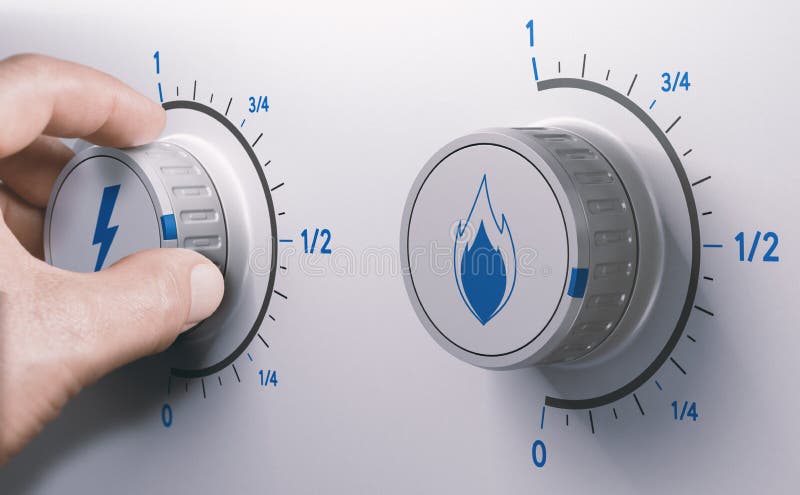
The image shows a detailed view of a dimmer switch, which is a device used to vary the brightness of a light. The switch is composed of a blue front plate with three adjustable knobs, each with a yellow indicator. The back plate is gray and appears to be made of plastic. The knobs can be turned to increase or decrease the amount of electricity flowing to the light, thereby controlling its. Decrease amount stock images, royalty-free photos and pictures