Search among 446 authentic decrease amount stock photos, high-definition images, and pictures, or look at other text sign or money flow stock images to enhance your presentation with the perfect visual.


Writing note showing Money Flow. Business concept for the increase or decrease in the amount of money a business Smartphone device inside trousers front pocket note paper. Decrease amount stock images, royalty-free photos and pictures
Conceptual hand writing showing Money Flow. Concept meaning the increase or decrease in the amount of money a business Colored crumpled papers wooden floor background clothespin. Decrease amount stock images, royalty-free photos and pictures
Conceptual hand writing showing Money Flow. Concept meaning the increase or decrease in the amount of money a business woman with laptop smartphone and office supplies technology. Decrease amount stock images, royalty-free photos and pictures
Smiling young woman showing little size gesture with fingers, attractive female looking at camera, small prices, shopping sales price decrease, something tiny, isolated on grey studio background. Decrease amount stock images, royalty-free photos and pictures
Smiling happy woman showing little size gesture with fingers, small prices, shopping sales price decrease, something tiny, attractive female looking at camera, isolated on grey studio background. Decrease amount stock images, royalty-free photos and pictures
Sweet Level text with percentage and check box printed on portable cup with pile of coffee beans, concept for amount of sugar, diet and diabetes about coffee. Decrease amount stock images, royalty-free photos and pictures
Portable coffee cup with text : Sweet Level and percentage check box, on wood table, concept for amount of sugar, diet and diabetes. Decrease amount stock images, royalty-free photos and pictures
Sweet Level text with percentage and check box printed on portable cup with cup of black coffee, concept for amount of sugar, diet and diabetes. Decrease amount stock images, royalty-free photos and pictures
Hand holding cup and show sweet Level text and percentage check box with black coffee and pile of coffee beans on background, concept for amount of sugar, diet and diabetes. Decrease amount stock images, royalty-free photos and pictures
Portable coffee cups with text : Sweet Level and percentage check box, on pile of coffee beans, concept for amount of sugar, diet and diabetes about coffee. Decrease amount stock images, royalty-free photos and pictures
Turmeric is a flowering plant, Curcuma longa of the ginger family, Zingiberaceae, of which are used in cooking. The plant is a perennial, rhizomatous, herbaceous plant native to the Indian subcontinent and Southeast Asia, that requires temperatures between 20 and 30 °C 68 and 86 °F and a considerable amount of annual rainfall to thrive. Plants are gathered each year for their rhizomes, some for propagation in the following season and some for consumption. Turmeric has a warm, bitter taste and is frequently used to flavor or color curry powders, mustards, butters, and cheeses. Because curcumin and other chemicals in turmeric might decrease swelling, it is often used to treat conditions that involve pain and inflammation. People commonly use turmeric for osteoarthritis. It is also used for hay fever, depression, high cholesterol, a type of liver disease, and itching, but there is no good scientific evidence to support most of these uses. There is also no good evidence to support using turmeric for COVID-19. Decrease amount stock images, royalty-free photos and pictures
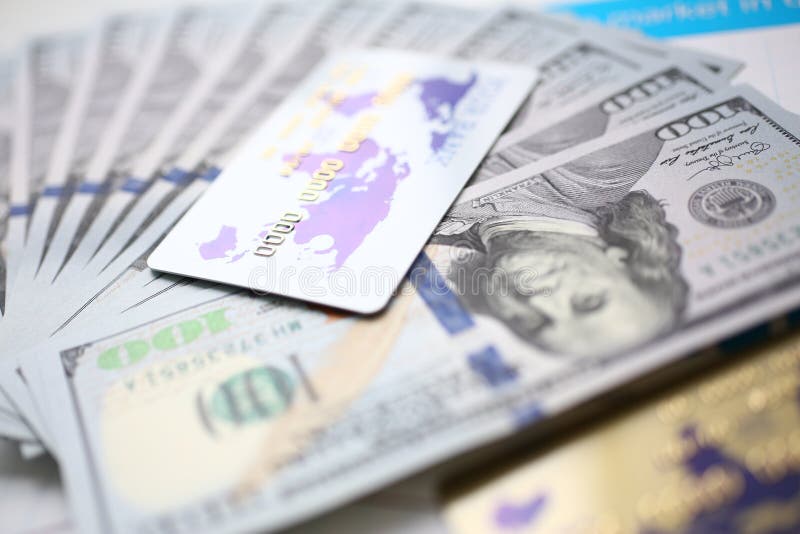
Focus on big amount of money. Silver bank card and ready cash. Modern different ways of payments. Convenient banking system concept. Blurred background. Decrease amount stock images, royalty-free photos and pictures
Carbon neutral and net zero concept. Balance between the amount of greenhouse gas produced and the amount removed from the atmosphere. Hand puts wooden cubes with Net Zero icon on table. Decrease amount stock images, royalty-free photos and pictures
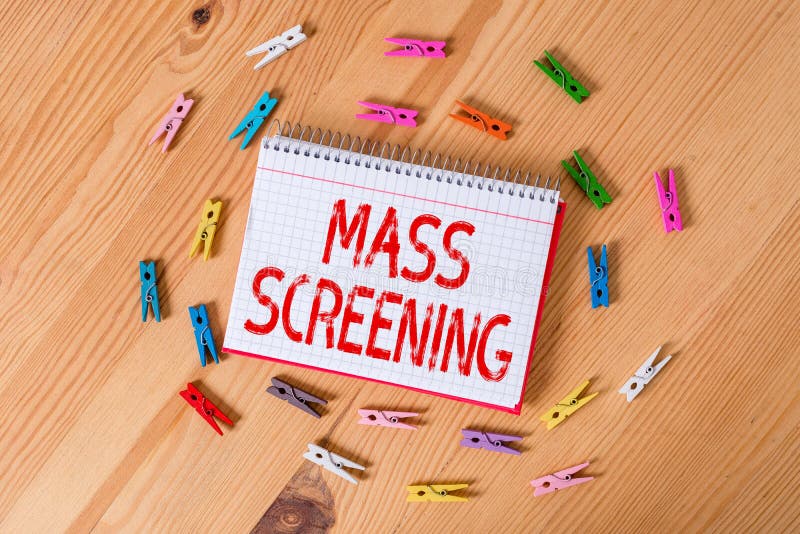
Handwriting text writing Mass Screening. Conceptual photo health evaluation performed at a large amount of population Colored clothespin papers empty reminder wooden floor background office. Decrease amount stock images, royalty-free photos and pictures
Conceptual hand writing showing Mass Screening. Concept meaning health evaluation performed at a large amount of population Rolled ripped torn cardboard above a wooden classic table. Decrease amount stock images, royalty-free photos and pictures
Writing note showing Mass Screening. Business concept for health evaluation performed at a large amount of population Colored clothespin papers empty reminder white floor background office. Decrease amount stock images, royalty-free photos and pictures
Conceptual hand writing showing Mass Screening. Concept meaning health evaluation performed at a large amount of population Colored keyboard key with accessories arranged on empty copy space. Decrease amount stock images, royalty-free photos and pictures
Word writing text Mass Screening. Business photo showcasing health evaluation performed at a large amount of population Different colored keyboard key with accessories arranged on empty copy space. Decrease amount stock images, royalty-free photos and pictures
Word writing text Cost Cutting. Business photo showcasing actions taken to reduce the amount that is spent on a service Male human wear formal work suit presenting presentation using smart device. Decrease amount stock images, royalty-free photos and pictures
Word writing text Cost Cutting. Business photo showcasing actions taken to reduce the amount that is spent on a service White pc keyboard with empty note paper above white background key copy space. Decrease amount stock images, royalty-free photos and pictures
Writing note showing Mass Screening. Business concept for health evaluation performed at a large amount of population Grids and different icons latest digital technology concept. Decrease amount stock images, royalty-free photos and pictures
Conceptual hand writing showing Mass Screening. Concept meaning health evaluation performed at a large amount of population Colored PC keyboard key With Accessories on Empty background. Decrease amount stock images, royalty-free photos and pictures