Search among 673 authentic level decrease stock photos, high-definition images, and pictures, or look at other business man or show uptrend stock images to enhance your presentation with the perfect visual.

An agricultural drone is an unmanned aerial vehicle used in agriculture operations, mostly in yield optimization and in monitoring crop growth and crop production. Agricultural drone optimizes the application of pesticides, herbicides and liquid fertilizers, providing uniform distribution and high-precision control. It has a modular construction, consisting of two main components - the flight platform and the agricultural platform, which can be either the phytosanitary treatment application system or the solid substance application system, equipped with liquid and solid substance tanks. Agricultural drones provide information on crop growth stages, crop health, and soil variations. The use of drone technology in the agriculture sector will vastly benefit the industry by enabling treatment from above for crops as high as 30 meters or even for infant and maturing crops at ground level. The footage will provide high quality zone maps for future reference and crop planning. Remote monitoring of crops and livestock plus targeted nutrient or pesticide applications with the generation of variable rate prescriptions will help to decrease inputs and maximize profits. The crops can be managed better and safeguarded by the timely detection of weeds, diseases, and pests. Drone spraying ensures even chemical distribution, optimizing plant health and improving yields. Agriculture is rapidly evolving toward precision and data-driven farming. Drones will play a crucial role in this transformation by collecting and analyzing data to optimize resource allocation. For example, rather than applying fertilizer uniformly, drones can assess soil conditions and determine the precise quantity needed for each section, reducing waste and improving efficiency. Water conservation is another critical benefit. On some plantations, our drones have helped save five million liters of water annually by reducing spray volumes from 400 liters to 100 liters per hectare. This level of efficiency is crucial for sustainable agriculture. Level decrease stock images, royalty-free photos and pictures

Agricultural drone spraying over a tea plantation in Sri Lanka, Asia. An agricultural drone is an unmanned aerial vehicle used in agriculture operations, mostly. An agricultural drone is an unmanned aerial vehicle used in agriculture operations, mostly in yield optimization and in monitoring crop growth and crop production. Agricultural drone optimizes the application of pesticides, herbicides and liquid fertilizers, providing uniform distribution and high-precision control. It has a modular construction, consisting of two main components - the flight platform and the agricultural platform, which can be either the phytosanitary treatment application system or the solid substance application system, equipped with liquid and solid substance tanks. Agricultural drones provide information on crop growth stages, crop health, and soil variations. The use of drone technology in the agriculture sector will vastly benefit the industry by enabling treatment from above for crops as high as 30 meters or even for infant and maturing crops at ground level. The footage will provide high quality zone maps for future reference and crop planning. Remote monitoring of crops and livestock plus targeted nutrient or pesticide applications with the generation of variable rate prescriptions will help to decrease inputs and maximize profits. The crops can be managed better and safeguarded by the timely detection of weeds, diseases, and pests. Drone spraying ensures even chemical distribution, optimizing plant health and improving yields.Agriculture is rapidly evolving toward precision and data-driven farming. Drones will play a crucial role in this transformation by collecting and analyzing data to optimize resource allocation. For example, rather than applying fertilizer uniformly, drones can assess soil conditions and determine the precise quantity needed for each section, reducing waste and improving efficiency.Water conservation is another critical benefit. On some plantations, our drones have helped save five million liters of water annually by reducing spray volumes from 400 liters to 100 liters per hectare. This level of efficiency is crucial for sustainable agriculture.

A close-up of a modern, gray appliance's user interface, with the control dial set between the WARM and HOT settings for precise adjustment. Level decrease stock images, royalty-free photos and pictures
A visual representation shows a downward trend in stress levels. A breath wave icon appears at the top of a bold graph indicating reduction. Level decrease stock images, royalty-free photos and pictures
Abstract glowing neon bar chart showcases rising and falling metrics using vibrant rainbow colors on a dark digital surface, perfect for technology and financial data concepts. Level decrease stock images, royalty-free photos and pictures
Hand adjusting a volume knob on an audio device, close-up of fingers turning a sound control dial, music loudness setting simple concept, detail closeup, audio level adjustment, stereo equipment, at 0. Level decrease stock images, royalty-free photos and pictures
“pisang” refers to a large herbaceous plant with elongated, broad leaves that grow directly from the stem. The stem of a banana plant is soft, formed from layers of soft and long leaf sheaths. A slightly harder stem is located at ground level. Bananas have stalked leaves that spread out from the stem. The size of the leaves varies among different banana species. The stalk of a banana plant produces numerous flowers. These flowers eventually develop into a fruit cluster known as a “hand. ” The individual bananas within the hand decrease in size from top to bottom. Level decrease stock images, royalty-free photos and pictures
3d colorful target dart icon at the bottom of wooden cube blocks as bar graph chart steps with arrow jumping down, on green table and white background. Business goal, planning, back to basic concept. Level decrease stock images, royalty-free photos and pictures
Hand completed co2 on green speech bubble over hand icon, Reduce CO2 emissions to limit climate change and global warming. Low greenhouse gas levels, decarbonize, net zero carbon dioxide footprint. Level decrease stock images, royalty-free photos and pictures
An agricultural drone is an unmanned aerial vehicle used in agriculture operations, mostly in yield optimization and in monitoring crop growth and crop production. Agricultural drone optimizes the application of pesticides, herbicides and liquid fertilizers, providing uniform distribution and high-precision control. It has a modular construction, consisting of two main components - the flight platform and the agricultural platform, which can be either the phytosanitary treatment application system or the solid substance application system, equipped with liquid and solid substance tanks. Agricultural drones provide information on crop growth stages, crop health, and soil variations. The use of drone technology in the agriculture sector will vastly benefit the industry by enabling treatment from above for crops as high as 30 meters or even for infant and maturing crops at ground level. The footage will provide high quality zone maps for future reference and crop planning. Remote monitoring of crops and livestock plus targeted nutrient or pesticide applications with the generation of variable rate prescriptions will help to decrease inputs and maximize profits. The crops can be managed better and safeguarded by the timely detection of weeds, diseases, and pests. Drone spraying ensures even chemical distribution, optimizing plant health and improving yields. Agriculture is rapidly evolving toward precision and data-driven farming. Drones will play a crucial role in this transformation by collecting and analyzing data to optimize resource allocation. For example, rather than applying fertilizer uniformly, drones can assess soil conditions and determine the precise quantity needed for each section, reducing waste and improving efficiency. Water conservation is another critical benefit. On some plantations, our drones have helped save five million liters of water annually by reducing spray volumes from 400 liters to 100 liters per hectare. This level of efficiency is crucial for sustainable agriculture. Level decrease stock images, royalty-free photos and pictures

Agricultural drone flying over a tea plantation in Sri Lanka, Asia. An agricultural drone is an unmanned aerial vehicle used in agriculture operations, mostly in. An agricultural drone is an unmanned aerial vehicle used in agriculture operations, mostly in yield optimization and in monitoring crop growth and crop production. Agricultural drone optimizes the application of pesticides, herbicides and liquid fertilizers, providing uniform distribution and high-precision control. It has a modular construction, consisting of two main components - the flight platform and the agricultural platform, which can be either the phytosanitary treatment application system or the solid substance application system, equipped with liquid and solid substance tanks. Agricultural drones provide information on crop growth stages, crop health, and soil variations. The use of drone technology in the agriculture sector will vastly benefit the industry by enabling treatment from above for crops as high as 30 meters or even for infant and maturing crops at ground level. The footage will provide high quality zone maps for future reference and crop planning. Remote monitoring of crops and livestock plus targeted nutrient or pesticide applications with the generation of variable rate prescriptions will help to decrease inputs and maximize profits. The crops can be managed better and safeguarded by the timely detection of weeds, diseases, and pests. Drone spraying ensures even chemical distribution, optimizing plant health and improving yields.Agriculture is rapidly evolving toward precision and data-driven farming. Drones will play a crucial role in this transformation by collecting and analyzing data to optimize resource allocation. For example, rather than applying fertilizer uniformly, drones can assess soil conditions and determine the precise quantity needed for each section, reducing waste and improving efficiency.Water conservation is another critical benefit. On some plantations, our drones have helped save five million liters of water annually by reducing spray volumes from 400 liters to 100 liters per hectare. This level of efficiency is crucial for sustainable agriculture.

An agricultural drone is an unmanned aerial vehicle used in agriculture operations, mostly in yield optimization and in monitoring crop growth and crop production. Agricultural drone optimizes the application of pesticides, herbicides and liquid fertilizers, providing uniform distribution and high-precision control. It has a modular construction, consisting of two main components - the flight platform and the agricultural platform, which can be either the phytosanitary treatment application system or the solid substance application system, equipped with liquid and solid substance tanks. Agricultural drones provide information on crop growth stages, crop health, and soil variations. The use of drone technology in the agriculture sector will vastly benefit the industry by enabling treatment from above for crops as high as 30 meters or even for infant and maturing crops at ground level. The footage will provide high quality zone maps for future reference and crop planning. Remote monitoring of crops and livestock plus targeted nutrient or pesticide applications with the generation of variable rate prescriptions will help to decrease inputs and maximize profits. The crops can be managed better and safeguarded by the timely detection of weeds, diseases, and pests. Drone spraying ensures even chemical distribution, optimizing plant health and improving yields. Agriculture is rapidly evolving toward precision and data-driven farming. Drones will play a crucial role in this transformation by collecting and analyzing data to optimize resource allocation. For example, rather than applying fertilizer uniformly, drones can assess soil conditions and determine the precise quantity needed for each section, reducing waste and improving efficiency. Water conservation is another critical benefit. On some plantations, our drones have helped save five million liters of water annually by reducing spray volumes from 400 liters to 100 liters per hectare. This level of efficiency is crucial for sustainable agriculture. Level decrease stock images, royalty-free photos and pictures

Agricultural drone spraying over a tea plantation in Sri Lanka, Asia. An agricultural drone is an unmanned aerial vehicle used in agriculture operations, mostly. An agricultural drone is an unmanned aerial vehicle used in agriculture operations, mostly in yield optimization and in monitoring crop growth and crop production. Agricultural drone optimizes the application of pesticides, herbicides and liquid fertilizers, providing uniform distribution and high-precision control. It has a modular construction, consisting of two main components - the flight platform and the agricultural platform, which can be either the phytosanitary treatment application system or the solid substance application system, equipped with liquid and solid substance tanks. Agricultural drones provide information on crop growth stages, crop health, and soil variations. The use of drone technology in the agriculture sector will vastly benefit the industry by enabling treatment from above for crops as high as 30 meters or even for infant and maturing crops at ground level. The footage will provide high quality zone maps for future reference and crop planning. Remote monitoring of crops and livestock plus targeted nutrient or pesticide applications with the generation of variable rate prescriptions will help to decrease inputs and maximize profits. The crops can be managed better and safeguarded by the timely detection of weeds, diseases, and pests. Drone spraying ensures even chemical distribution, optimizing plant health and improving yields.Agriculture is rapidly evolving toward precision and data-driven farming. Drones will play a crucial role in this transformation by collecting and analyzing data to optimize resource allocation. For example, rather than applying fertilizer uniformly, drones can assess soil conditions and determine the precise quantity needed for each section, reducing waste and improving efficiency.Water conservation is another critical benefit. On some plantations, our drones have helped save five million liters of water annually by reducing spray volumes from 400 liters to 100 liters per hectare. This level of efficiency is crucial for sustainable agriculture.

Carpathian high-altitude lake Synevyr through treetops and a shallow water island. Seasonal changes during low water levels in mountain ecosystems of Ukraine. Level decrease stock images, royalty-free photos and pictures
Carpathian high-altitude lake Synevyr is surrounded by dense coniferous forest and a shallow shore. Seasonal changes during low water levels in mountain ecosystems of Ukraine. Level decrease stock images, royalty-free photos and pictures
Carpathian high-altitude lake Synevyr with an island in shallow water, surrounded by a dense coniferous forest and a tourist observation trail. Level decrease stock images, royalty-free photos and pictures
Reduce tension, personnel management to increase efficiency in the work system because it will have a negative effect on the workers and their work. A man uses his palm to control the tension gauge. Level decrease stock images, royalty-free photos and pictures
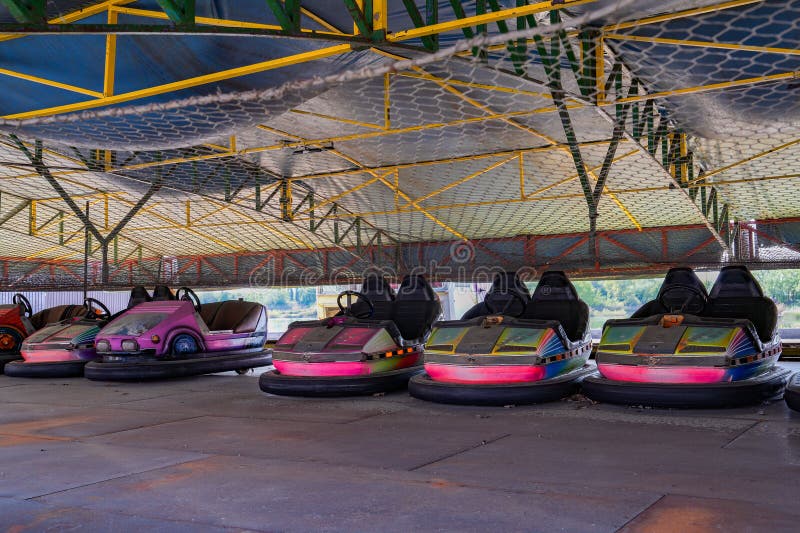
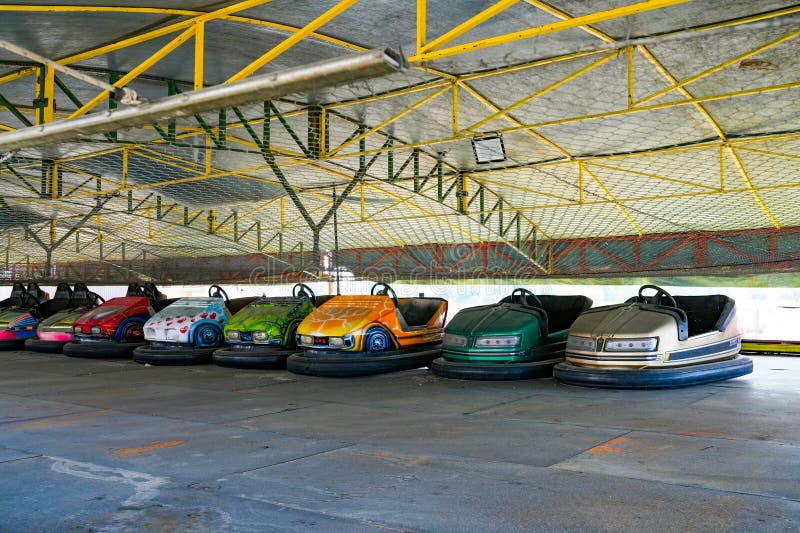
Bumper cars or dodgems are the generic names for a type of flat amusement ride consisting of multiple small electrically powered cars which draw power from the floor or ceiling, and which are turned on and off remotely by an operator. They are also known as bumping cars, dodging cars and dashing cars. The first patent for them was filed in 1921. The metal floor is usually set up as a rectangular or oval track, and graphite is sprinkled on the floor to decrease friction. A rubber bumper surrounds each vehicle, and drivers either ram or dodge each other as they travel. The controls are usually an accelerator and a steering wheel. The cars can be made to go backwards by turning the steering wheel far enough in either direction, necessary in the frequent pile-ups that occur. Although the idea of the ride is to bump other cars, safety-conscious (or at least litigation-conscious) owners sometimes put up signs reading "This way around" and "No (head on) bumping". Depending on the level of enforcement by operators, these rules are often ignored by bumper car riders, especially younger children and teenagers. Level decrease stock images, royalty-free photos and pictures