Free with trial Collage 3d image of pinup pop retro sketch of shocked impressed guy holding huge down arrow isolated painting background. Level decrease stock images, royalty-free photos and pictures Collage 3d image of pinup pop retro sketch of shocked impressed guy holding huge down arrow isolated painting background.
Free with trial DMT - Dry Metric Ton is the internationally agreed-upon unit of measure for iron ore pricing, acronym concept background. Level decrease stock images, royalty-free photos and pictures DMT - Dry Metric Ton is the internationally agreed-upon unit of measure for iron ore pricing, acronym concept background
Free with trial Creative 3d photo collage artwork graphics painting of guy sitting percentage watching inflation graphs isolated drawing background. Level decrease stock images, royalty-free photos and pictures Creative 3d photo collage artwork graphics painting of guy sitting percentage watching inflation graphs isolated drawing. Background
Free with trial CRP - C-Reactive Protein Test symbol. Wooden cubes with word CRP. Beautiful grey background. Medical and C-Reactive Protein Test. Concept. Copy space. Level decrease stock images, royalty-free photos and pictures CRP - C-Reactive Protein Test symbol. Wooden cubes with word CRP. Beautiful grey background. Medical and C-Reactive Protein Test. Concept. Copy space
Free with trial Cracked crust of dried silt. Global warming and the greenhouse effect. Regulation and control of carbon dioxide emissions. Paris agreement. Light background or wallpaper. Macro. Level decrease stock images, royalty-free photos and pictures Cracked crust of dried silt. Global warming and the greenhouse effect. Regulation and control of carbon dioxide emissions. Paris. Agreement. Light background or
Free with trial 2022, economic recession at final quarter. 2022 with heap of coins stairs is drop at the last step, business, economic recession at the last quarter of the year. Level decrease stock images, royalty-free photos and pictures 2022, economic recession at final quarter. 2022 with heap of coins stairs is drop at the last step, business, economic recession at the last quarter of the year
Free with trial CRP - C-Reactive Protein Test symbol. Wooden cubes with word CRP. Beautiful grey background. Medical and C-Reactive Protein Test. Concept. Copy space. Level decrease stock images, royalty-free photos and pictures CRP - C-Reactive Protein Test symbol. Wooden cubes with word CRP. Beautiful grey background. Medical and C-Reactive Protein Test. Concept. Copy space
Free with trial CRP - C-Reactive Protein Test symbol. Wooden cubes with word CRP. Beautiful grey background. Medical and C-Reactive Protein Test. Concept. Copy space. Level decrease stock images, royalty-free photos and pictures CRP - C-Reactive Protein Test symbol. Wooden cubes with word CRP. Beautiful grey background. Medical and C-Reactive Protein Test. Concept. Copy space
Free with trial CRP - C-Reactive Protein Test symbol. Wooden cubes with word CRP. Beautiful grey background. Medical and C-Reactive Protein Test. Concept. Copy space. Level decrease stock images, royalty-free photos and pictures CRP - C-Reactive Protein Test symbol. Wooden cubes with word CRP. Beautiful grey background. Medical and C-Reactive Protein Test. Concept. Copy space
Free with trial CRP - C-Reactive Protein Test symbol. Wooden cubes with word CRP. Doctor hand. Beautiful orange background. Medical and C-Reactive Protein Test concept. Copy space. Level decrease stock images, royalty-free photos and pictures CRP - C-Reactive Protein Test symbol. Wooden cubes with word CRP. Doctor hand. Beautiful orange background. Medical and C-Reactive. Protein Test concept. Copy
Free with trial CRP - C-Reactive Protein Test symbol. Wooden cubes with word CRP. Beautiful orange background. Medical and C-Reactive Protein Test. Concept. Copy space. Level decrease stock images, royalty-free photos and pictures CRP - C-Reactive Protein Test symbol. Wooden cubes with word CRP. Beautiful orange background. Medical and C-Reactive Protein Test. Concept. Copy space
Free with trial CRP - C-Reactive Protein Test symbol. Wooden cubes with word CRP. Beautiful orange background. Medical and C-Reactive Protein Test. Concept. Copy space. Level decrease stock images, royalty-free photos and pictures CRP - C-Reactive Protein Test symbol. Wooden cubes with word CRP. Beautiful orange background. Medical and C-Reactive Protein Test. Concept. Copy space
Free with trial ACTH Adrenocorticotropic hormone - polypeptide tropic hormone produced by and secreted by the anterior pituitary gland, acronym. Text on blackboard. Level decrease stock images, royalty-free photos and pictures ACTH Adrenocorticotropic hormone - polypeptide tropic hormone produced by and secreted by the anterior pituitary gland, acronym. Text on blackboard
Free with trial CRP - C-Reactive Protein Test symbol. Wooden cubes with word CRP. Doctor hand. Beautiful grey background. Medical and C-Reactive Protein Test concept. Copy Space. Level decrease stock images, royalty-free photos and pictures CRP - C-Reactive Protein Test symbol. Wooden cubes with word CRP. Doctor hand. Beautiful grey background. Medical and C-Reactive. Protein Test concept. Copy
Free with trial CRP - C-Reactive Protein Test symbol. Wooden cubes with word CRP. Doctor hand. Beautiful grey background. Medical and C-Reactive Protein Test concept. Copy space. Level decrease stock images, royalty-free photos and pictures CRP - C-Reactive Protein Test symbol. Wooden cubes with word CRP. Doctor hand. Beautiful grey background. Medical and C-Reactive. Protein Test concept. Copy
Free with trial CRP - C-Reactive Protein Test symbol. Wooden cubes with word CRP. Doctor hand. Beautiful grey background. Medical and C-Reactive Protein Test concept. Copy space. Level decrease stock images, royalty-free photos and pictures CRP - C-Reactive Protein Test symbol. Wooden cubes with word CRP. Doctor hand. Beautiful grey background. Medical and C-Reactive. Protein Test concept. Copy
Free with trial CRP - C-Reactive Protein Test symbol. Wooden cubes with word CRP. Doctor hand. Beautiful grey background. Medical and C-Reactive Protein Test concept. Copy space. Level decrease stock images, royalty-free photos and pictures CRP - C-Reactive Protein Test symbol. Wooden cubes with word CRP. Doctor hand. Beautiful grey background. Medical and C-Reactive. Protein Test concept. Copy
Free with trial CRP - C-Reactive Protein Test symbol. Wooden cubes with word CRP. Doctor hand. Beautiful grey background. Medical and C-Reactive Protein Test concept. Copy space. Level decrease stock images, royalty-free photos and pictures CRP - C-Reactive Protein Test symbol. Wooden cubes with word CRP. Doctor hand. Beautiful grey background. Medical and C-Reactive. Protein Test concept. Copy
Free with trial CRP - C-Reactive Protein Test symbol. Wooden cubes with word CRP. Doctor hand. Beautiful grey background. Medical and C-Reactive Protein Test concept. Copy space. Level decrease stock images, royalty-free photos and pictures CRP - C-Reactive Protein Test symbol. Wooden cubes with word CRP. Doctor hand. Beautiful grey background. Medical and C-Reactive. Protein Test concept. Copy
Free with trial CRP - C-Reactive Protein Test symbol. Wooden cubes with word CRP. Doctor hand. Beautiful grey background. Medical and C-Reactive Protein Test concept. Copy space. Level decrease stock images, royalty-free photos and pictures CRP - C-Reactive Protein Test symbol. Wooden cubes with word CRP. Doctor hand. Beautiful grey background. Medical and C-Reactive. Protein Test concept. Copy
Free with trial CRP - C-Reactive Protein Test symbol. Wooden cubes with word CRP. Doctor hand. Beautiful grey background. Medical and C-Reactive Protein Test concept. Copy space. Level decrease stock images, royalty-free photos and pictures CRP - C-Reactive Protein Test symbol. Wooden cubes with word CRP. Doctor hand. Beautiful grey background. Medical and C-Reactive. Protein Test concept. Copy
Free with trial CRP - C-Reactive Protein Test symbol. Wooden cubes with word CRP. Doctor hand. Beautiful orange background. Medical and C-Reactive Protein Test concept. Copy space. Level decrease stock images, royalty-free photos and pictures CRP - C-Reactive Protein Test symbol. Wooden cubes with word CRP. Doctor hand. Beautiful orange background. Medical and C-Reactive. Protein Test concept. Copy
Free with trial CRP - C-Reactive Protein Test symbol. Wooden cubes with word CRP. Doctor hand. Beautiful orange background. Medical and C-Reactive Protein Test concept. Copy space. Level decrease stock images, royalty-free photos and pictures CRP - C-Reactive Protein Test symbol. Wooden cubes with word CRP. Doctor hand. Beautiful orange background. Medical and C-Reactive. Protein Test concept. Copy
Free with trial CRP - C-Reactive Protein Test symbol. Wooden cubes with word CRP. Doctor hand. Beautiful orange background. Medical and C-Reactive Protein Test concept. Copy Space. Level decrease stock images, royalty-free photos and pictures CRP - C-Reactive Protein Test symbol. Wooden cubes with word CRP. Doctor hand. Beautiful orange background. Medical and C-Reactive. Protein Test concept. Copy
Free with trial CRP - C-Reactive Protein Test symbol. Wooden cubes with word CRP. Doctor hand. Beautiful orange background. Medical and C-Reactive Protein Test concept. Copy space. Level decrease stock images, royalty-free photos and pictures CRP - C-Reactive Protein Test symbol. Wooden cubes with word CRP. Doctor hand. Beautiful orange background. Medical and C-Reactive. Protein Test concept. Copy
Free with trial CRP - C-Reactive Protein Test symbol. Wooden cubes with word CRP. Doctor hand. Beautiful orange background. Medical and C-Reactive Protein Test concept. Copy space. Level decrease stock images, royalty-free photos and pictures CRP - C-Reactive Protein Test symbol. Wooden cubes with word CRP. Doctor hand. Beautiful orange background. Medical and C-Reactive. Protein Test concept. Copy
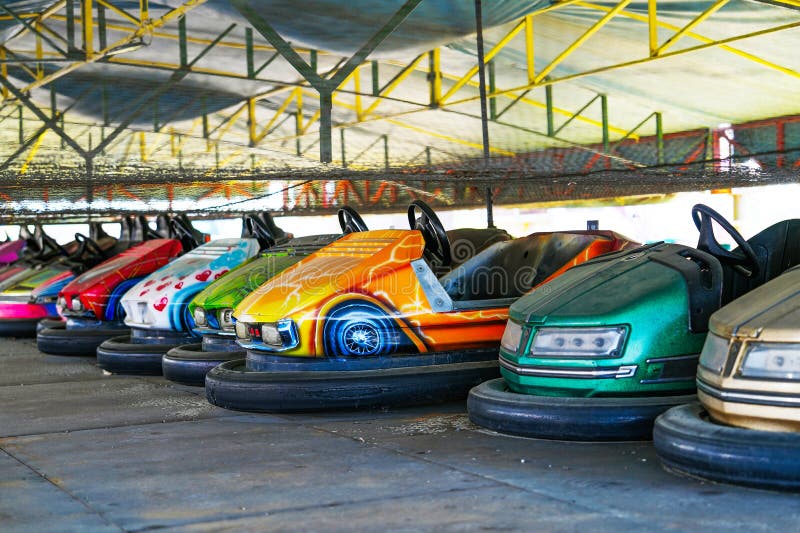
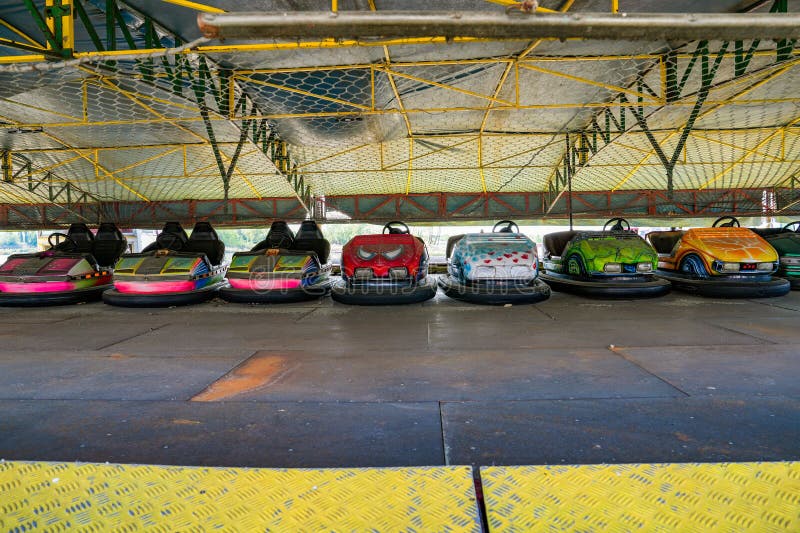
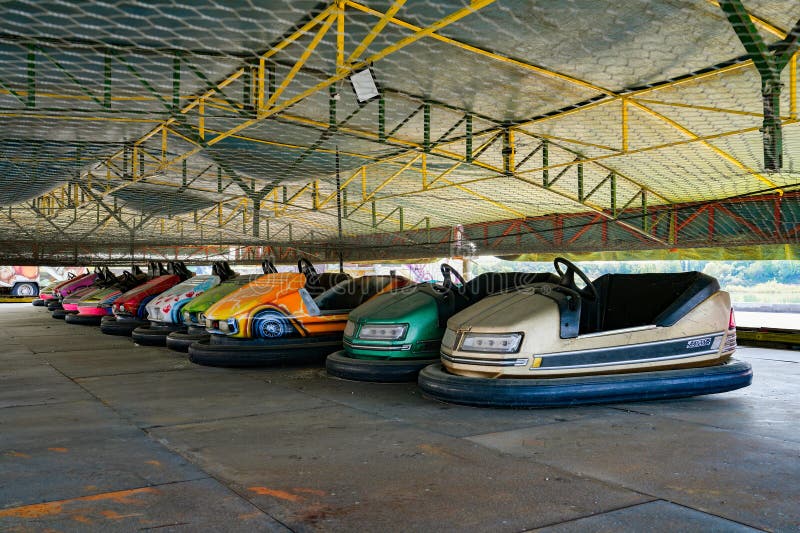
Free with trial Bumper cars or dodgems are the generic names for a type of flat amusement ride consisting of multiple small electrically powered cars which draw power from the floor or ceiling, and which are turned on and off remotely by an operator. They are also known as bumping cars, dodging cars and dashing cars. The first patent for them was filed in 1921. The metal floor is usually set up as a rectangular or oval track, and graphite is sprinkled on the floor to decrease friction. A rubber bumper surrounds each vehicle, and drivers either ram or dodge each other as they travel. The controls are usually an accelerator and a steering wheel. The cars can be made to go backwards by turning the steering wheel far enough in either direction, necessary in the frequent pile-ups that occur. Although the idea of the ride is to bump other cars, safety-conscious (or at least litigation-conscious) owners sometimes put up signs reading "This way around" and "No (head on) bumping". Depending on the level of enforcement by operators, these rules are often ignored by bumper car riders, especially younger children and teenagers. Level decrease stock images, royalty-free photos and pictures ARAD, ROMANIA, 12 APRIL, 2024: Colorful bumper cars in amusement park waiting for the summer season to open. Bumper cars or dodgems are the generic names for a. Bumper cars or dodgems are the generic names for a type of flat amusement ride consisting of multiple small electrically powered cars which draw power from the floor or ceiling, and which are turned on and off remotely by an operator. They are also known as bumping cars, dodging cars and dashing cars. The first patent for them was filed in 1921. The metal floor is usually set up as a rectangular or oval track, and graphite is sprinkled on the floor to decrease friction. A rubber bumper surrounds each vehicle, and drivers either ram or dodge each other as they travel. The controls are usually an accelerator and a steering wheel. The cars can be made to go backwards by turning the steering wheel far enough in either direction, necessary in the frequent pile-ups that occur. Although the idea of the ride is to bump other cars, safety-conscious (or at least litigation-conscious) owners sometimes put up signs reading "This way around" and "No (head on) bumping". Depending on the level of enforcement by operators, these rules are often ignored by bumper car riders, especially younger children and teenagers.
Free with trial Bumper cars or dodgems are the generic names for a type of flat amusement ride consisting of multiple small electrically powered cars which draw power from the floor or ceiling, and which are turned on and off remotely by an operator. They are also known as bumping cars, dodging cars and dashing cars. The first patent for them was filed in 1921. The metal floor is usually set up as a rectangular or oval track, and graphite is sprinkled on the floor to decrease friction. A rubber bumper surrounds each vehicle, and drivers either ram or dodge each other as they travel. The controls are usually an accelerator and a steering wheel. The cars can be made to go backwards by turning the steering wheel far enough in either direction, necessary in the frequent pile-ups that occur. Although the idea of the ride is to bump other cars, safety-conscious (or at least litigation-conscious) owners sometimes put up signs reading "This way around" and "No (head on) bumping". Depending on the level of enforcement by operators, these rules are often ignored by bumper car riders, especially younger children and teenagers. Level decrease stock images, royalty-free photos and pictures ARAD, ROMANIA, 12 APRIL, 2024: Colorful bumper cars in amusement park waiting for the summer season to open. Bumper cars or dodgems are the generic names for a. Bumper cars or dodgems are the generic names for a type of flat amusement ride consisting of multiple small electrically powered cars which draw power from the floor or ceiling, and which are turned on and off remotely by an operator. They are also known as bumping cars, dodging cars and dashing cars. The first patent for them was filed in 1921. The metal floor is usually set up as a rectangular or oval track, and graphite is sprinkled on the floor to decrease friction. A rubber bumper surrounds each vehicle, and drivers either ram or dodge each other as they travel. The controls are usually an accelerator and a steering wheel. The cars can be made to go backwards by turning the steering wheel far enough in either direction, necessary in the frequent pile-ups that occur. Although the idea of the ride is to bump other cars, safety-conscious (or at least litigation-conscious) owners sometimes put up signs reading "This way around" and "No (head on) bumping". Depending on the level of enforcement by operators, these rules are often ignored by bumper car riders, especially younger children and teenagers.
Free with trial Bumper cars or dodgems are the generic names for a type of flat amusement ride consisting of multiple small electrically powered cars which draw power from the floor or ceiling, and which are turned on and off remotely by an operator. They are also known as bumping cars, dodging cars and dashing cars. The first patent for them was filed in 1921. The metal floor is usually set up as a rectangular or oval track, and graphite is sprinkled on the floor to decrease friction. A rubber bumper surrounds each vehicle, and drivers either ram or dodge each other as they travel. The controls are usually an accelerator and a steering wheel. The cars can be made to go backwards by turning the steering wheel far enough in either direction, necessary in the frequent pile-ups that occur. Although the idea of the ride is to bump other cars, safety-conscious (or at least litigation-conscious) owners sometimes put up signs reading "This way around" and "No (head on) bumping". Depending on the level of enforcement by operators, these rules are often ignored by bumper car riders, especially younger children and teenagers. Level decrease stock images, royalty-free photos and pictures ARAD, ROMANIA, 12 APRIL, 2024: Colorful bumper cars in amusement park waiting for the summer season to open. Bumper cars or dodgems are the generic names for a. Bumper cars or dodgems are the generic names for a type of flat amusement ride consisting of multiple small electrically powered cars which draw power from the floor or ceiling, and which are turned on and off remotely by an operator. They are also known as bumping cars, dodging cars and dashing cars. The first patent for them was filed in 1921. The metal floor is usually set up as a rectangular or oval track, and graphite is sprinkled on the floor to decrease friction. A rubber bumper surrounds each vehicle, and drivers either ram or dodge each other as they travel. The controls are usually an accelerator and a steering wheel. The cars can be made to go backwards by turning the steering wheel far enough in either direction, necessary in the frequent pile-ups that occur. Although the idea of the ride is to bump other cars, safety-conscious (or at least litigation-conscious) owners sometimes put up signs reading "This way around" and "No (head on) bumping". Depending on the level of enforcement by operators, these rules are often ignored by bumper car riders, especially younger children and teenagers.
Free with trial Bumper cars or dodgems are the generic names for a type of flat amusement ride consisting of multiple small electrically powered cars which draw power from the floor or ceiling, and which are turned on and off remotely by an operator. They are also known as bumping cars, dodging cars and dashing cars. The first patent for them was filed in 1921. The metal floor is usually set up as a rectangular or oval track, and graphite is sprinkled on the floor to decrease friction. A rubber bumper surrounds each vehicle, and drivers either ram or dodge each other as they travel. The controls are usually an accelerator and a steering wheel. The cars can be made to go backwards by turning the steering wheel far enough in either direction, necessary in the frequent pile-ups that occur. Although the idea of the ride is to bump other cars, safety-conscious (or at least litigation-conscious) owners sometimes put up signs reading "This way around" and "No (head on) bumping". Depending on the level of enforcement by operators, these rules are often ignored by bumper car riders, especially younger children and teenagers. Level decrease stock images, royalty-free photos and pictures ARAD, ROMANIA, 12 APRIL, 2024: Colorful bumper cars in amusement park waiting for the summer season to open. Bumper cars or dodgems are the generic names for a. Bumper cars or dodgems are the generic names for a type of flat amusement ride consisting of multiple small electrically powered cars which draw power from the floor or ceiling, and which are turned on and off remotely by an operator. They are also known as bumping cars, dodging cars and dashing cars. The first patent for them was filed in 1921. The metal floor is usually set up as a rectangular or oval track, and graphite is sprinkled on the floor to decrease friction. A rubber bumper surrounds each vehicle, and drivers either ram or dodge each other as they travel. The controls are usually an accelerator and a steering wheel. The cars can be made to go backwards by turning the steering wheel far enough in either direction, necessary in the frequent pile-ups that occur. Although the idea of the ride is to bump other cars, safety-conscious (or at least litigation-conscious) owners sometimes put up signs reading "This way around" and "No (head on) bumping". Depending on the level of enforcement by operators, these rules are often ignored by bumper car riders, especially younger children and teenagers.
Free with trial Bumper cars or dodgems are the generic names for a type of flat amusement ride consisting of multiple small electrically powered cars which draw power from the floor or ceiling, and which are turned on and off remotely by an operator. They are also known as bumping cars, dodging cars and dashing cars. The first patent for them was filed in 1921. The metal floor is usually set up as a rectangular or oval track, and graphite is sprinkled on the floor to decrease friction. A rubber bumper surrounds each vehicle, and drivers either ram or dodge each other as they travel. The controls are usually an accelerator and a steering wheel. The cars can be made to go backwards by turning the steering wheel far enough in either direction, necessary in the frequent pile-ups that occur. Although the idea of the ride is to bump other cars, safety-conscious (or at least litigation-conscious) owners sometimes put up signs reading "This way around" and "No (head on) bumping". Depending on the level of enforcement by operators, these rules are often ignored by bumper car riders, especially younger children and teenagers. Level decrease stock images, royalty-free photos and pictures ARAD, ROMANIA, 12 APRIL, 2024: Colorful bumper cars in amusement park waiting for the summer season to open. Bumper cars or dodgems are the generic names for a. Bumper cars or dodgems are the generic names for a type of flat amusement ride consisting of multiple small electrically powered cars which draw power from the floor or ceiling, and which are turned on and off remotely by an operator. They are also known as bumping cars, dodging cars and dashing cars. The first patent for them was filed in 1921. The metal floor is usually set up as a rectangular or oval track, and graphite is sprinkled on the floor to decrease friction. A rubber bumper surrounds each vehicle, and drivers either ram or dodge each other as they travel. The controls are usually an accelerator and a steering wheel. The cars can be made to go backwards by turning the steering wheel far enough in either direction, necessary in the frequent pile-ups that occur. Although the idea of the ride is to bump other cars, safety-conscious (or at least litigation-conscious) owners sometimes put up signs reading "This way around" and "No (head on) bumping". Depending on the level of enforcement by operators, these rules are often ignored by bumper car riders, especially younger children and teenagers.
Free with trial Bumper cars or dodgems are the generic names for a type of flat amusement ride consisting of multiple small electrically powered cars which draw power from the floor or ceiling, and which are turned on and off remotely by an operator. They are also known as bumping cars, dodging cars and dashing cars. The first patent for them was filed in 1921. The metal floor is usually set up as a rectangular or oval track, and graphite is sprinkled on the floor to decrease friction. A rubber bumper surrounds each vehicle, and drivers either ram or dodge each other as they travel. The controls are usually an accelerator and a steering wheel. The cars can be made to go backwards by turning the steering wheel far enough in either direction, necessary in the frequent pile-ups that occur. Although the idea of the ride is to bump other cars, safety-conscious (or at least litigation-conscious) owners sometimes put up signs reading "This way around" and "No (head on) bumping". Depending on the level of enforcement by operators, these rules are often ignored by bumper car riders, especially younger children and teenagers. Level decrease stock images, royalty-free photos and pictures ARAD, ROMANIA, 12 APRIL, 2024: Colorful bumper cars in amusement park waiting for the summer season to open. Bumper cars or dodgems are the generic names for a. Bumper cars or dodgems are the generic names for a type of flat amusement ride consisting of multiple small electrically powered cars which draw power from the floor or ceiling, and which are turned on and off remotely by an operator. They are also known as bumping cars, dodging cars and dashing cars. The first patent for them was filed in 1921. The metal floor is usually set up as a rectangular or oval track, and graphite is sprinkled on the floor to decrease friction. A rubber bumper surrounds each vehicle, and drivers either ram or dodge each other as they travel. The controls are usually an accelerator and a steering wheel. The cars can be made to go backwards by turning the steering wheel far enough in either direction, necessary in the frequent pile-ups that occur. Although the idea of the ride is to bump other cars, safety-conscious (or at least litigation-conscious) owners sometimes put up signs reading "This way around" and "No (head on) bumping". Depending on the level of enforcement by operators, these rules are often ignored by bumper car riders, especially younger children and teenagers.
Free with trial Black wet rocks appear after decrease of water level from waterfall and river inside Phukradueng national park of Loei, Thailand during the winter season in February 2016. Level decrease stock images, royalty-free photos and pictures Drought waterfall and black rock. Black wet rocks appear after decrease of water level from waterfall and river inside Phukradueng national park of Loei. Black wet rocks appear after decrease of water level from waterfall and river inside Phukradueng national park of Loei, Thailand during the winter season in February 2016.
 Sign in