Declineddecrease Images, Pictures And Stock Photos

No matches for declineddecrease. Displaying results for

Search among 110,440 authentic declineddecrease stock photos, high-definition images, and pictures, or look at other simbel temples or strategic plan stock images to enhance your presentation with the perfect visual.

This image presents a clear visual of a business graph with lines indicating Profit and Loss, suggesting financial analysis and future planning. The prominent STRATEGIC PLAN text at the bottom emphasizes the core concept of the document. This photo is ideal for themes related to business strategy, financial performance, planning, analysis, and goal setting. Declineddecrease stock images, royalty-free photos and pictures
Bitcoin and crypto currency price stop loss concept, big red pushing emergency stop button on various cryptocurrencies physical coins, financial disaster and crisis protection when market price fall. Declineddecrease stock images, royalty-free photos and pictures


Close-up of financial statement lying on wooden table. Annual report or presentation with statistics data in charts, graphs, diagrams for board of directors. Business meeting concept. Declineddecrease stock images, royalty-free photos and pictures
The fall fifth star near a miniature wooden house. The concept of falling rating hotel or restaurant. Deterioration in service quality. Evaluation of the critic. Feedback. Bad business. Four stars. Declineddecrease stock images, royalty-free photos and pictures
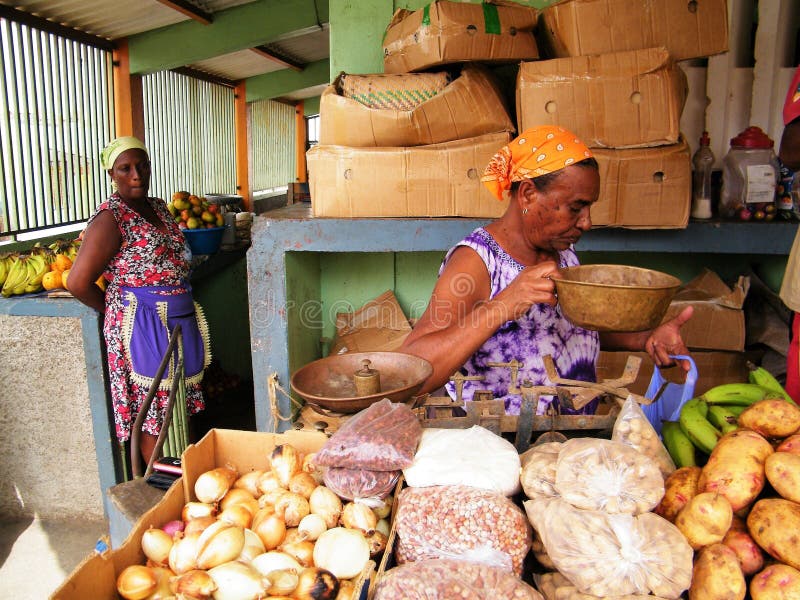
Cape Verde (/ˈvɜːrd/ (About this sound listen)) or Cabo Verde (/ˌkɑːboʊ ˈvɜːrdeɪ/ (About this sound listen), /ˌkæb-/) (Portuguese: Cabo Verde, pronounced [ˈkabu ˈveɾdɨ]), officially the Republic of Cabo Verde,[9] is an island country spanning an archipelago of 10 volcanic islands in the central Atlantic Ocean. It forms part of the Macaronesia ecoregion, along with the Azores, Canary Islands, Madeira, and the Savage Isles. In ancient times these islands were referred to as "the Islands of the Blessed" or the "Fortunate Isles". Located 570 kilometres (350 mi) west of the Cape Verde Peninsula in West Africa, the islands cover a combined area of slightly over 4,000 square kilometres (1,500 sq mi). The Cape Verde archipelago was uninhabited until the 15th century, when Portuguese explorers discovered and colonized the islands, establishing the first European settlement in the tropics. Ideally located for the Atlantic slave trade, the islands grew prosperous throughout the 16th and 17th centuries, attracting merchants, privateers, and pirates. The end of slavery in the 19th century led to economic decline and emigration. Cape Verde gradually recovered as an important commercial center and stopover for shipping routes. Incorporated as an overseas department of Portugal in 1951, the islands continued to campaign for independence, which was peacefully achieved in 1975. Declineddecrease stock images, royalty-free photos and pictures

Cape Vert - Market. Cape Verde (/ˈvɜːrd/ (About this sound listen)) or Cabo Verde (/ˌkɑːboʊ ˈvɜːrdeɪ/ (About this sound. Cape Verde (/ˈvɜːrd/ (About this sound listen)) or Cabo Verde (/ˌkɑːboʊ ˈvɜːrdeɪ/ (About this sound listen), /ˌkæb-/) (Portuguese: Cabo Verde, pronounced [ˈkabu ˈveɾdɨ]), officially the Republic of Cabo Verde,[9] is an island country spanning an archipelago of 10 volcanic islands in the central Atlantic Ocean. It forms part of the Macaronesia ecoregion, along with the Azores, Canary Islands, Madeira, and the Savage Isles. In ancient times these islands were referred to as "the Islands of the Blessed" or the "Fortunate Isles". Located 570 kilometres (350 mi) west of the Cape Verde Peninsula in West Africa, the islands cover a combined area of slightly over 4,000 square kilometres (1,500 sq mi). The Cape Verde archipelago was uninhabited until the 15th century, when Portuguese explorers discovered and colonized the islands, establishing the first European settlement in the tropics. Ideally located for the Atlantic slave trade, the islands grew prosperous throughout the 16th and 17th centuries, attracting merchants, privateers, and pirates. The end of slavery in the 19th century led to economic decline and emigration. Cape Verde gradually recovered as an important commercial center and stopover for shipping routes. Incorporated as an overseas department of Portugal in 1951, the islands continued to campaign for independence, which was peacefully achieved in 1975.

Black and white panoramic of two large wheels and tractor trailer carrying rail wheel. Guy in sneakers, pants and tshirt observing the vehicles while standing on a dirt road. Declineddecrease stock images, royalty-free photos and pictures